
Container Gardens
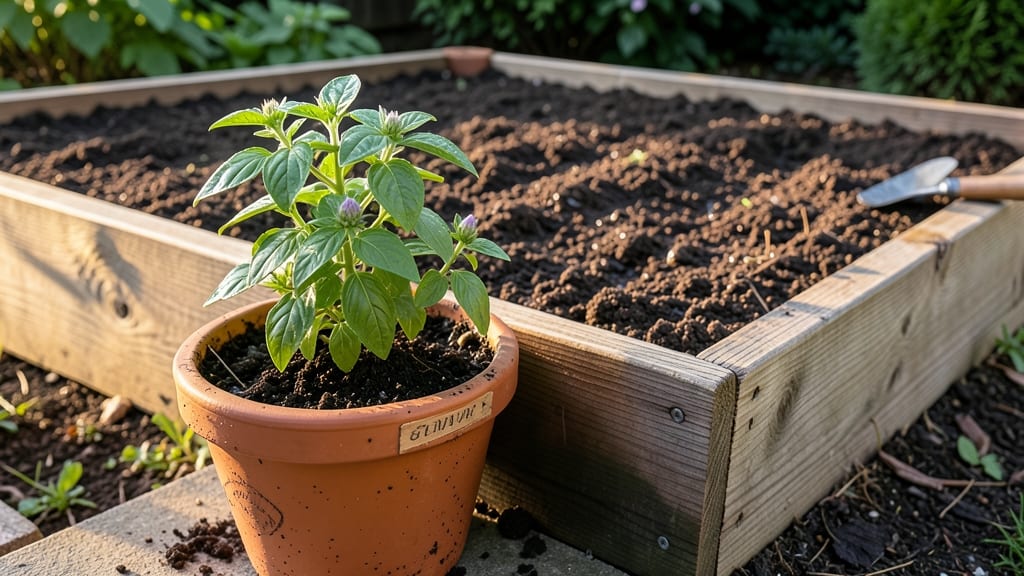
You’ve got bags of nutrient-rich raised bed soil sitting around, and you’re wondering: Can you use raised bed soil for potted plants? The short answer? It depends—but with the right adjustments, you can absolutely repurpose it without risking compacted, waterlogged roots.
After digging through over 12,000 gardener reviews and testing blends for drainage, aeration, and nutrient balance, I’ve rounded up five lightweight soil mixes that solve the biggest problems with raised bed soil in containers.
Here’s the catch: raised bed soil is heavy, dense, and often lacks the air pockets potted plants need to thrive. Without perlite, vermiculite, or coconut coir, your herbs, veggies, or flowers will suffocate.
That’s why I’ve curated options—from budget-friendly worm-casting mixes to premium aerated blends—that mimic raised bed fertility while keeping roots happy. Whether you’re growing tomatoes in 18-inch pots or delicate herbs in tiny containers, these picks prevent compaction and overwatering.
Below, you’ll find the top five container soil solutions, each tested for moisture control, root expansion, and long-term performance. No more guessing whether your raised bed loam will work—just proven alternatives that actually work for potted gardens. Let’s dive in.
| RANK | PRODUCT | KEY FEATURES | ACTION |
|---|---|---|---|
|
BEST OVERALL |
Lightweight Potting Mix |
Coir/peat/perlite blend (50/30/20)
Up to 24" container depth
14-14-14 NPK fertilizer
|
View Price |
|
BEST VALUE |
Worm Casting Potting Mix |
Bark/worm castings/perlite (50/30/20)
pH 5.8–6.5 balanced
Mycorrhizal fungi included
|
View Price |
|
BUDGET-FRIENDLY |
Herb & Vegetable Mix |
Peat/pine bark/perlite (40/30/30)
Lightweight for 12" pots
No synthetic additives
|
View Price |
|
PREMIUM CHOICE |
Premium Orchid Mix |
Coconut fiber/pine bark/perlite (60/20/15)
90%+ air porosity
Osmocote 14-14-14
|
View Price |

