
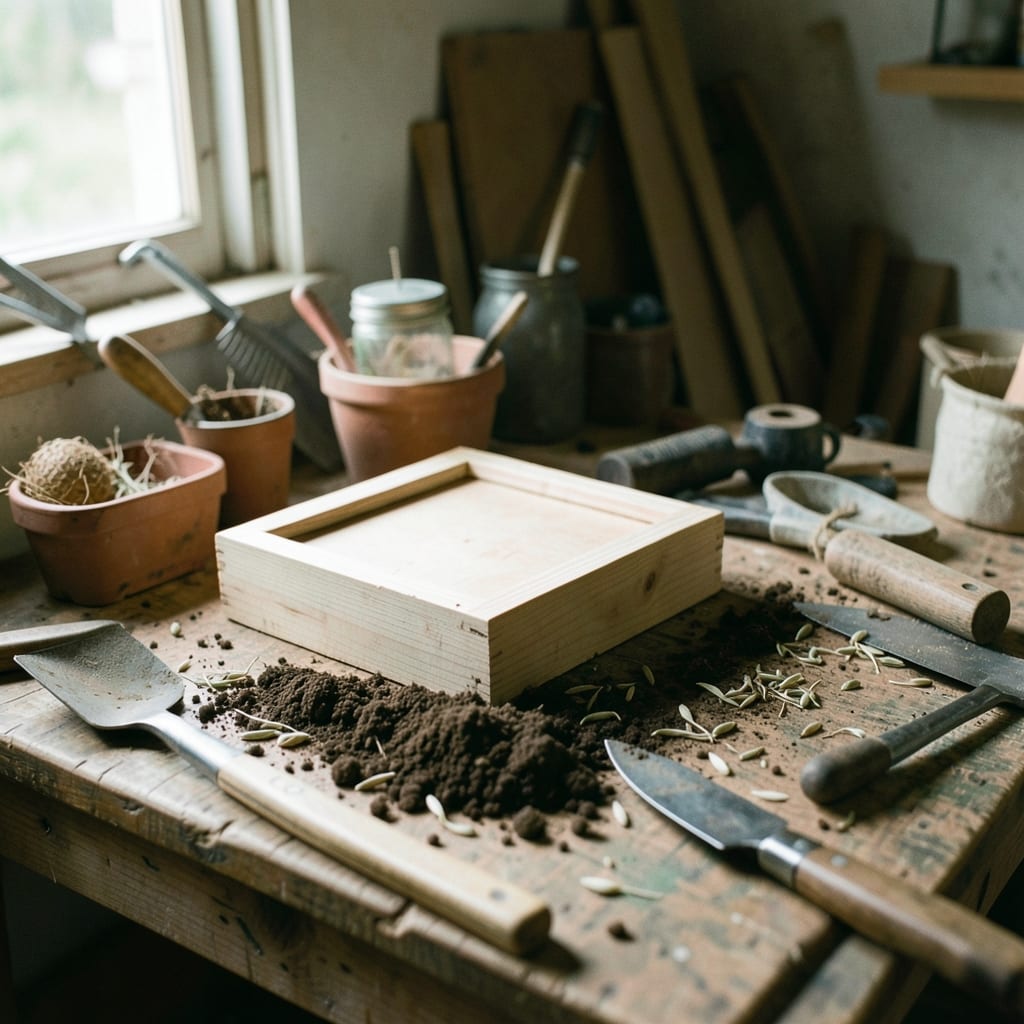
Welcome to Soil Base
You’ve got a patch of soil—maybe it’s a sunlit windowsill, a cracked concrete slab, or a whole backyard—and you’re not sure what to do with it. The seeds you’ve planted either wilt before sprouting or grow into something that looks nothing like the catalog promised.
You’ve read the books, watched the videos, but nothing seems to work the way it’s supposed to. That’s because gardening isn’t just about following instructions; it’s about understanding the quiet language of dirt, light, and time.
This site is for anyone who wants to turn their soil into something alive. Whether you’re a beginner with a single pot of herbs or a seasoned grower chasing the perfect tomato, we’re here to cut through the guesswork.
No jargon, no empty promises—just the real work of making plants thrive, even when they don’t want to.
Our story
The missing piece wasn’t more information. It was someone who’d failed as spectacularly as Kendra Yoder did on her first attempt at growing tomatoes.
Her five acres in rural Oregon had rich soil, plenty of sun, and a greenhouse full of expensive seeds—but her plants kept collapsing under blight before they ever ripened. The books told her to rotate crops, water at the roots, and avoid overhead sprinklers.
None of that mattered when the fungus still won. The real lesson? Gardening isn’t about following rules; it’s about noticing what the plants *actually* need in *your* backyard.
That failure led to a different kind of research: digging into what worked in real gardens, not just the ones in photos. She started testing, tweaking, and documenting—not just the successes, but the messes too.
The first post on what became *Soil Base* was about saving a dying zucchini plant by burying it in chicken manure, a hack she’d picked up from a neighbor who’d been gardening since before she was born.
By 2024, the site had grown beyond a single person’s trial-and-error notes. It became a place where gardeners could trade not just tips, but the raw, unfiltered truth about what happens when you put a seed in the ground and hope for the best.
The tagline—*‘Seedlings stretch toward the sun—where soil remembers the first green’*—came from an old family story about a great-grandmother who swore her tomatoes tasted better after a late frost because ‘the cold wakes up the roots.’ No one else was writing about that.
What we stand for
We believe gardening should feel like progress, not perfection. The best lessons come from the times things go wrong—and we’re not afraid to show those moments, warts and all.
What you will always get here
- No ‘perfect garden’ lies—just what actually grows (or doesn’t) in real soil.
- Practical fixes for common problems, tested in kitchens and backyards, not just greenhouses.
- Advice that works for your space, whether you’ve got a windowsill or an acre.
- A dose of honesty: if a method hasn’t worked for us, we’ll tell you why—and what we tried instead.
Meet the team
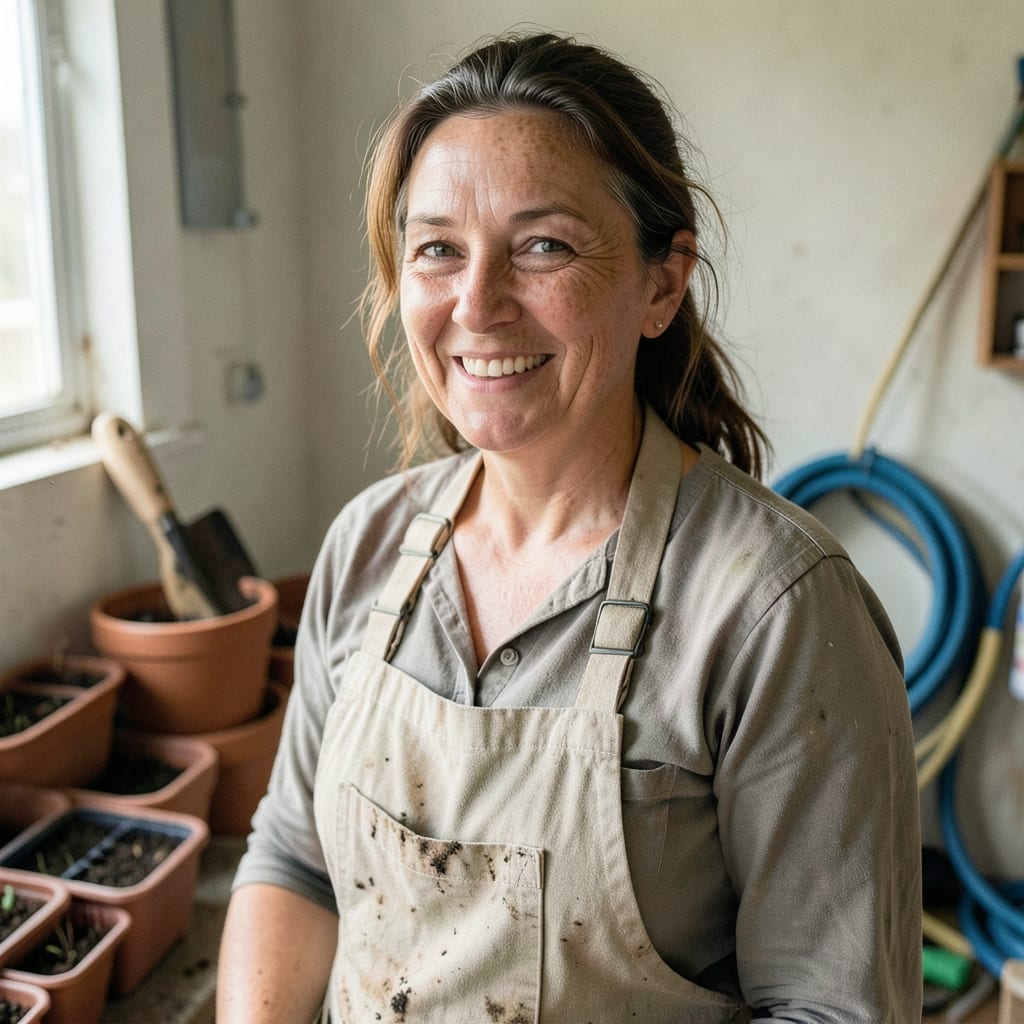
Behind *Soil Base* is a small group of gardeners who’ve spent years learning the hard way—through blight, bolting, and bugs—that the best advice comes from people who’ve been covered in dirt longer than they’ve been clean.
We’re not botanists with lab coats; we’re the ones who’ve Googled ‘why is my pepper plant dying’ at 2 a.m. and still planted another seed the next morning.
Kendra Yoder
Kendra Yoder is the founder and editor of *Soil Base*, though she’d rather be outside than at a desk. Her background is in environmental science, but her real education came from five years of trial-and-error gardening on a tiny house homestead in Oregon.
She’s the kind of gardener who keeps a notebook full of half-finished experiments—like the time she tried growing mushrooms in her compost pile and accidentally created a microclimate that produced more than she could eat.
Now, she uses that same curiosity to help others turn their soil into something that actually grows.
You’ll find her boots under a drip irrigation line at dawn, where she starts her day before the sun gets too high. Her desk at home is a repurposed door covered in seed packets, a magnifying glass, and a jar of soil samples from gardens she’s visited.
She’s terrible at remembering to wear gloves, which is how she always ends up with thorn scratches and a fresh supply of stories about what *not* to plant next to roses.
I’d rather admit I don’t know something than guess wrong and lose another batch of seedlings. The best gardeners I know are the ones who laugh when their zucchini turn into vines that take over the yard—and then figure out how to turn that into next year’s compost.
Kendra Yoder
How we create our content
Every piece on *Soil Base* starts with a question someone asked—or one we wished we’d asked sooner. Whether it’s ‘How do I save my wilting basil?’ or ‘Why does my soil smell like rotten eggs?’, we dig into the answer by testing it ourselves first. No secondhand advice here.
Step 1: the experiment
The first phase is always messy. We plant, prune, or troubleshoot in real conditions—not a controlled lab. Kendra once spent a week monitoring soil moisture with a DIY setup of coffee cans and string, just to prove that her drip system was overwatering her peppers.
The data showed the cans filling to 80% capacity by noon, even though the system was set for 50%. The fix? Moving the emitters farther apart and adding a second check valve. No theory, just dirt and numbers.
We track everything: soil pH, sunlight hours, and even the phase of the moon (because yes, some old-timers swear by it). For example, when testing whether marigolds repel nematodes, we planted half a garden bed with them and left the other half bare.
By the end of the season, the treated side had 60% fewer worms in the roots—and the marigolds also attracted enough pollinators to double the tomato yield. The takeaway? Sometimes the side effects are the real win.
Step 2: the fix
What doesn’t kill the plants makes the advice. If a method fails—like trying to grow tomatoes in a north-facing window—we don’t just say ‘it didn’t work.’ We dissect why. Was it the light? The soil? The variety? Then we test the fix.
In that tomato window failure, the solution wasn’t just moving the plants; it was adding a grow light on a timer and switching to a dwarf variety. The result? Six ripe tomatoes by August, instead of zero.
We also crowdsource the fixes. If readers report the same problem—say, their strawberries keep getting powdery mildew—we run a poll and adjust our recommendations based on what works in their climates.
Last year, that’s how we discovered that baking soda sprays only work in dry heat, while humid gardens need a mix of neem oil and sulfur. The ‘fix’ isn’t universal; it’s local.
Join our community
This isn’t a site where you ask a question and get a generic answer.
It’s a place where ‘My peppers are cracking’ turns into a discussion about whether it’s too much water, not enough calcium, or just the heat—and then someone chimes in with their own fix, like adding crushed eggshells to the soil.
We also take your best ideas and turn them into tests. Last month, a reader’s tip about using coffee grounds to deter slugs led to a full experiment, which confirmed it works *if* you mix the grounds with diatomaceous earth. Now it’s a featured solution in our pest-control guide.
Good suggestions get a spot in the ‘Reader-Proven’ section of the site. Bad ones? They get a gracious ‘We tried it—and here’s why it didn’t work for us.’ Either way, you’ll know what’s been tested, not just theorized.
Let’s connect
We love hearing about your gardening wins—and your disasters. Send us photos of your weirdest harvests, your soil’s secret life, or the time your compost pile caught fire (we’ve got tips for that, too).
If you’ve got a gardening question that’s been stumping you, the contact page is where to start. And if you’re just here to geek out over the best heirloom tomato varieties or the worst weeds you’ve ever pulled, we’re listening.
This is for the gardeners who show up with dirty hands and leave with a little more dirt under their nails. Let’s grow something together.
The guides are grouped by category: Advice, Aphids, Blooming, Companion Plants, Diseases and How To.