
Light Requirements
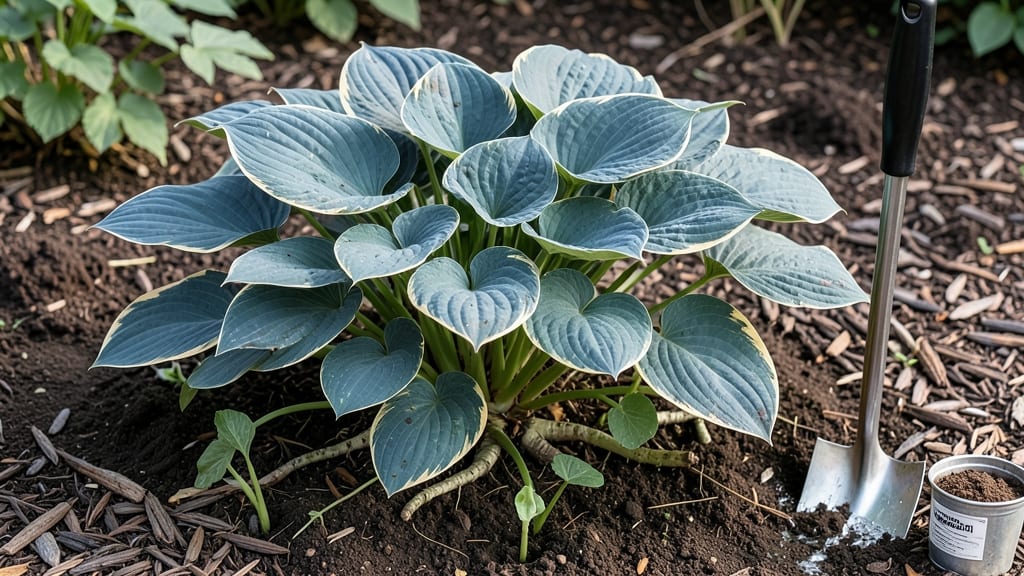
Your hosta’s soil requirements are the foundation of lush, vibrant foliage 🌿 — and getting them wrong means wilted leaves or stunted growth no matter how much you water.
Struggling to keep your hostas thriving? The secret isn’t just water or sunlight—it’s the soil. Your hosta’s health depends entirely on moisture, pH, and texture being just right, or you’ll end up with limp leaves and stunted growth.
Hostas love rich, well-draining soil that stays consistently moist but never soggy. A slightly acidic to neutral pH (around 6.0 to 7.0) helps them absorb nutrients efficiently, while the right mix of organic matter keeps roots happy year-round.
In this guide, I’ll break down the exact soil conditions your hostas crave—from pH testing to organic amendments—and show you how to fix common issues like poor drainage or nutrient deficiencies.
Ideal hosta soil pH levels: the science behind acidic vs neutral soil
If your hostas look lifeless despite proper watering, the culprit might be your soil pH. Hostas thrive in a slightly acidic to neutral range—typically between 5.5 and 7.0—but even small deviations can stunt growth or trigger nutrient deficiencies.
Understanding how pH affects your hostas is the first step to lush, vibrant foliage.
Soil pH measures hydrogen ion concentration, directly impacting how plants absorb essential nutrients like nitrogen, phosphorus, and potassium. When pH strays too acidic (<5.5) or alkaline (>7.0), your hostas can’t access these nutrients, leading to yellowing leaves, weak stems, and poor flowering.
Let’s break down the science and how to fix it.
| pH Range | Nutrient Availability | Signs of Stress | Solution |
|---|---|---|---|
| Below 5.5 (Acidic) | Phosphorus & iron toxic; nitrogen scarce | Yellowing leaves, stunted growth | Add lime (calcium carbonate) |
| 5.5–7.0 (Ideal) | Balanced nutrient uptake | Healthy green foliage, strong stems | Maintain with compost |
| Above 7.0 (Alkaline) | Iron & manganese scarce; phosphorus locked | Chlorotic (yellow) leaf veins, slow growth | Add sulfur or peat moss |
Testing your soil pH is simple. Grab a soil pH tester (digital or liquid kit) or send a sample to your local cooperative extension office. For a quick DIY method, mix soil with distilled water (1:1 ratio) and use litmus paper for an instant read.
If your pH is off, don’t panic—amendments like lime (to raise pH) or sulfur (to lower pH) can restore balance in weeks.
For acid-loving hostas, aim for a pH of 5.5–6.5. If your soil tests at 6.5–7.0, it’s still neutral enough for healthy growth, but monitor for signs of nutrient deficiencies.
Over time, organic matter like compost or peat moss can naturally lower pH, while wood ash (use sparingly) raises it slightly.
One common mistake is assuming alkaline soil is harmless. If your hostas show yellowing between veins, it’s likely an iron deficiency caused by high pH. Chelated iron supplements can help, but the real fix is adjusting soil pH long-term.
Spread elemental sulfur (1–2 lbs per 100 sq ft) and water thoroughly to acidify gradually.
If your hostas are newly planted, test soil pH before transplanting. Amend the planting hole with a mix of compost and peat moss to create the ideal 5.5–6.5 range.
For established plants, top-dress with organic mulch annually to maintain pH and improve soil structure. Mulch also retains moisture, reducing stress on your hostas during hot summers.
Remember, hostas are adaptable, but they reward precise care. A pH of 6.0 might yield darker foliage than a pH of 6.8, but both can thrive. Focus on consistency—fluctuating pH is worse than a steady imbalance.
Test annually in spring, and adjust as needed to keep your hostas looking their best year after year.
For extra insurance, pair pH testing with a soil nutrient test. This reveals if your hostas lack nitrogen, phosphorus, or potassium, even with correct pH. A balanced 10-10-10 fertilizer applied in early spring can give your hostas the boost they need to thrive.
🌿
Perfect soil texture and moisture balance for hostas: avoid these mistakes
Hostas thrive when their soil feels like a moist sponge—firm enough to hold water but light enough to prevent root rot. The ideal mix combines sandy loam with rich organic matter, creating a balance that keeps roots happy year-round.
Too much clay? Your hostas will suffocate. Too sandy? They’ll dry out faster than you can water. Let’s fix this once and for all.
Most gardeners overlook texture adjustments until their hostas start showing yellowing leaves or floppy growth. The key is mimicking their natural woodland habitat: 60% organic matter, 30% loam, and 10% sand. This ratio ensures moisture retention without compacting roots.
Start by testing your soil’s drainage with a simple percolation test—dig a 6-inch hole, fill it with water, and time how long it takes to drain.
⚠️ WARNING: Common Soil Mistakes That Kill Hostas
Clay-heavy soil causes root suffocation, leading to yellowing leaves and stunted growth. Sandy soil drains too fast, forcing you to water daily. Over-mulching without proper aeration traps moisture, inviting fungal diseases like slime mold.
Solution: Amend clay with peat moss or compost (3 inches mixed into top 12 inches). For sand, add aged manure or coconut coir to boost water retention. Always fluff mulch annually to prevent compaction.
If your soil feels gummy when wet or forms hard clumps when dry, it’s time to rebuild. Start by removing the top 6 inches of soil and replacing it with a mix of 50% compost, 30% topsoil, and 20% perlite.
For existing beds, dig in 3 inches of compost and 1 inch of sand every spring to maintain balance. This gradual approach prevents shock to established roots.
For container-grown hostas, terracotta pots are ideal—they wick moisture while allowing excess to escape. Use a blend of 60% potting mix, 20% perlite, and 20% worm castings.
Avoid pre-mixed "all-purpose" soils; they often lack the organic richness hostas crave. Repot every 2–3 years to refresh the medium, as old soil compacts and loses structure.
Monitor moisture with your finger: Top 1–2 inches should feel damp but not soggy. In hot months, mulch with 3 inches of shredded bark to slow evaporation. Avoid synthetic mulches—they can raise soil temperature, stressing roots.
A quick trick? Use a moisture meter or the "squeeze test"—grab a handful of soil; if it crumbles easily, water more.
Remember, hostas are forgiving but not forgetful. Once you nail the texture and moisture balance, they’ll reward you with bold foliage and vigorous growth. Start small—test one bed this season—and watch your hostas transform from struggling survivors to showstopping stars. 🌿