
Tools
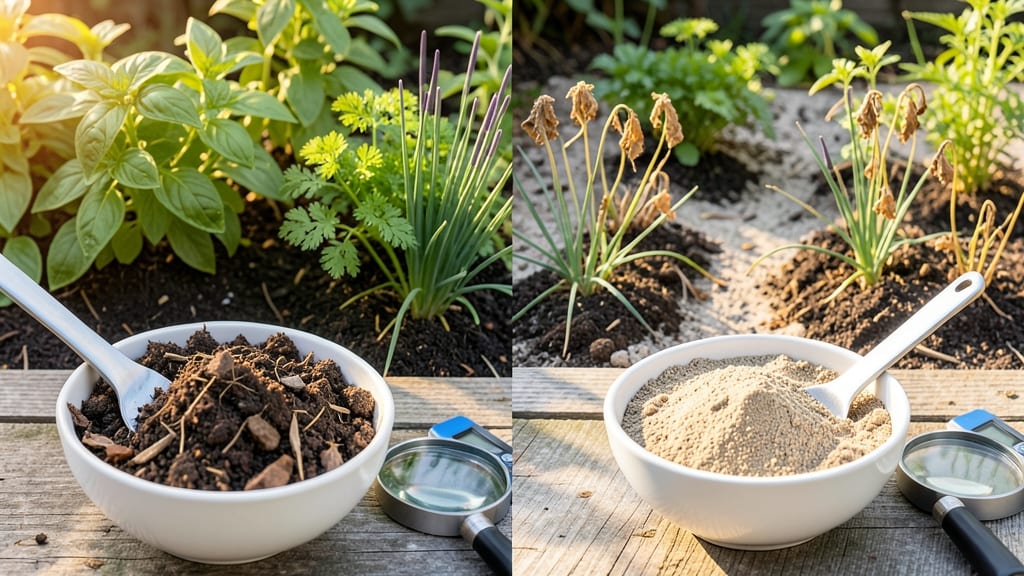
Your plants will either thrive or struggle based on what's under their roots—garden soil versus topsoil aren't the same. 🌱 I've learned the hard way that mixing them wrong can mean the difference between a lush garden and a sad, stunted one.
The key lies in understanding their textures, nutrients, and how they affect drainage. Garden soil is the finished product: a balanced mix of organic matter, minerals, and microorganisms that plants love. It's like the gourmet meal of soil types, perfect for planting beds, containers, and vegetable gardens.
Topsoil, on the other hand, is the raw material—just the top layer of earth, often heavy on clay or sand, needing amendments to work well. The right choice depends on your project: garden soil for established plants, topsoil for leveling or filling.
But here's the secret—layering them together can create the perfect growing medium. Think of it like building a soil sandwich where each layer brings something unique. For best results, test your soil first.
A simple at-home kit reveals its pH and nutrient levels, helping you decide whether to use garden soil, topsoil, or a blend. Your plants will thank you with stronger roots and bigger blooms.
The first product explained
Meet Miracle-Gro Garden Soil—your ultimate partner for lush, thriving gardens! 🌱💚 Designed to give your plants the perfect foundation, this premium blend is a game-changer for both beginners and seasoned gardeners alike. Let’s dive into what makes it a standout choice in the garden soil versus topsoil debate.
📏 Specs & Features
Miracle-Gro Garden Soil is a premium, all-purpose growing mix formulated to enhance root development, improve moisture retention, and boost nutrient availability. Here’s why it shines:
- Organic & Inorganic Blend: Combines compost, peat moss, and essential minerals for balanced nutrition.
- Improved Drainage: Lightweight yet structured, reducing compaction and ensuring oxygen reaches roots.
- Slow-Release Fertilizer: Includes Miracle-Gro Shake ’n Feed for up to 3 months of continuous nourishment.
- pH-Balanced: Optimized for most plants (ideal range: 5.5–6.5), with added lime to neutralize acidic soils.
- Weed & Pest Resistant: Contains natural ingredients to deter unwanted invaders.
🎯 Target Users
This product is perfect for:
- 🌿 Home gardeners looking for an easy, no-fuss solution for flower beds, shrubs, and vegetables.
- 🏡 Landscapers & DIYers needing a reliable soil mix for lawns, patios, or raised beds.
- 🌻 Plant enthusiasts growing delicate or high-maintenance plants (e.g., roses, herbs, or citrus).
- 🛠️ Newbies who want a forgiving medium that minimizes trial-and-error.
💰 Price Point & Value
Priced at $24.99 for a 2-cubic-foot bag (or ~$12.50/cubic foot in bulk), Miracle-Gro Garden Soil offers exceptional value. While it’s slightly more expensive than basic topsoil, its ready-to-use formula and long-term benefits (like reduced watering and fertilizing) make it a cost-effective investment.
For larger projects, consider the 5-cubic-foot bag ($39.99), which lowers the per-unit cost.
Pro Tip: 💡 Mix this soil with 20% perlite or vermiculite for even better aeration in heavy clay soils!
The second product explained
Meet Miracle-Gro Performance Organics All Purpose In-Ground Soil—the powerhouse blend designed to supercharge your garden’s growth from day one! 🌱✨ If you’re looking for a premium, nutrient-rich alternative to generic topsoil, this product delivers big results with a smart balance of organic matter, compost, and essential minerals.
📏 Specs & Features
This 2.0 cubic foot bag (equivalent to ~30 sq. ft. coverage at 3" depth) is engineered for in-ground planting, making it ideal for flower beds, vegetable gardens, and shrubbery. Key highlights:
- Organic & Slow-Release Nutrients: Packed with mycorrhizae (beneficial fungi) and composted materials to boost root development and microbial activity.
- Improved Drainage & Aeration: Lighter texture than standard garden soil, reducing compaction while retaining moisture—perfect for heavy clay or sandy soils.
- pH-Balanced Formula: Designed to support a wide range of plants (6.0–7.0 pH), eliminating the guesswork for acid-loving vs. alkaline-tolerant species.
- Weed & Pest Resistance: Includes natural ingredients to suppress weeds and deter common garden pests like aphids.
🎯 Who’s It For?
This soil is a game-changer for:
- Home gardeners tired of hit-or-miss plant growth with basic topsoil.
- Organic enthusiasts who want to avoid synthetic fertilizers but still see visible results.
- Newbies and pros alike—great for raised beds, container gardens, or direct planting.
- Those with challenging soil conditions (compacted, rocky, or nutrient-poor).
Pro Tip: 💡 Mix it 50/50 with your existing soil for a gradual nutrient infusion—ideal if you’re transitioning from topsoil to a richer blend!
💰 Price & Value
Priced at $12.99 per 2.0 cu. ft. bag (or ~$6.50/sq. ft. at 3" depth), this soil may seem like an investment, but its long-term benefits—faster germination, lush foliage, and higher yields—make it a steal. Compare that to buying topsoil ($3–$5/sq. ft.) and wondering why your plants aren’t thriving!
🎯 Bonus: Buy a 4-pack for $48.99 (saves ~15%) and tackle larger projects with ease.
Head-to-head comparison
Ready to dig into the differences between garden soil and topsoil? Let’s break it down in a clear, side-by-side comparison so you can pick the perfect match for your green thumb projects!
Whether you're planting a vegetable garden, landscaping, or just sprucing up your yard, understanding these key differences will help you make an informed choice. 🌱🔍
📊 Performance: How They Grow Your Plants
When it comes to nurturing your plants, performance is everything. Here’s how garden soil and topsoil stack up:
- Garden Soil:
- 🌿 Rich in organic matter (compost, peat, or aged manure), making it nutrient-dense and ideal for established plants, vegetables, and flowers.
- 💧 Better water retention due to its balanced texture, reducing the need for frequent watering.
- 🌱 Supports microbial life, which breaks down nutrients and makes them more accessible to roots.
- Topsoil:
- 🏗️ Primarily used for leveling or filling—great for creating new garden beds or repairing uneven areas.
- 🌦️ Less organic matter than garden soil, so it drains faster but may lack the nutrients plants crave long-term.
- 📉 Best for initial planting (like seeds or young transplants) but often needs amendments (like compost) to boost fertility.
Winner for performance: Garden soil takes the crown for established plants, while topsoil shines for foundational work. 🏆
🛠️ Features: Texture, Composition, and Versatility
Not all soil is created equal! Here’s what sets them apart in terms of feel and function:
| Feature | Garden Soil | Topsoil |
|---|---|---|
| Texture | 🍫 Crumbly and loose—easy to work with and holds moisture without becoming compacted. | 🏗️ Slightly denser—may require tilling to loosen for planting. |
| Organic Matter | 🌿 High (10-30%)—includes compost, peat, or aged manure. | 🌱 Moderate (3-5%)—mostly mineral-based with minimal organic content. |
| Nutrient Content | 💪 Naturally fertile—ready to support healthy plant growth. | 📉 Low in nutrients—often requires fertilization or mixing with compost. |
| Drainage | 💧 Balanced—retains moisture but allows excess water to drain. | 🌧️ Faster draining—can dry out quickly in hot climates. |
| Best For | 🌼 Vegetable gardens, flower beds, and established plants. | 🏡 Leveling, filling low spots, or creating new garden beds. |
Pro tip: 💡 If you’re using topsoil for planting, mix in compost or aged manure to boost its nutrient profile!
💰 Price: Your Wallet’s Perspective
Budget matters! Here’s how the cost of garden soil and topsoil compare:
- Garden Soil:
- 💵 More expensive—typically $20–$50 per cubic yard due to higher organic content and processing.
- 🌱 Long-term value—reduces the need for frequent fertilizing or amending.
- Topsoil:
- 💸 More affordable—usually $10–$30 per cubic yard (prices vary by region and quality).
- 🏗️ Cost-effective for large projects like landscaping or filling in areas.
Winner for price: Topsoil wins for budget-friendly projects, but garden soil offers better bang for your buck in the long run. 💰✨
⏳ Durability: How Long They Last
How long will your soil keep your plants thriving? Let’s compare their longevity:
- Garden Soil:
- 🌿 Long-lasting fertility—organic matter breaks down slowly, feeding plants over time.
- 🔄 May need occasional top-ups of compost or fertilizer for heavy-use gardens.
- Topsoil:
- 🏗️ Durable for structure—holds its shape well for leveling or filling.
- 📉 Nutrients deplete faster—requires regular amendments (like compost or fertilizer) for planting.
Pro tip: 🌡️ For topsoil used in planting, test its pH and nutrient levels—amending it with lime or fertilizer can extend its usability!
🌱 Plant Growth: Which Soil Wins for Your Garden?
Not all plants thrive equally in both soils. Here’s who does best in each:
| Plant Type | Garden Soil | Topsoil |
|---|---|---|
| Vegetables (tomatoes, peppers, lettuce) | ✅ Ideal—rich in nutrients and moisture-retentive. | ⚠️ Needs amendments—add compost for best results. |
| Flowers (roses, perennials, annuals) | ✅ Perfect—supports root development and blooming. | ⚠️ Good for new beds but may need fertilizer. |
| Trees and Shrubs | ✅ Best choice—deep roots benefit from nutrient-rich soil. | ❌ Not ideal—lacks long-term fertility. |
| Lawns and Ground Covers | ✅ Great for establishment—prom
Which one should you choose?So, which should you choose—garden soil or topsoil? The answer depends on your project’s needs, budget, and long-term goals. Let’s break it down so you can make the best decision for your green space! 🌱 🌿 Pick Garden Soil If...
🏗️ Pick Topsoil If...
💡 Pro Tip for the Win:For the best of both worlds, consider a hybrid approach:
🚨 When to Avoid Topsoil:Skip topsoil if:
Final Verdict: There’s no one-size-fits-all answer, but garden soil wins for most planting projects thanks to its nutrient density and ease of use. Topsoil shines for structural needs and budget-friendly solutions. For maximum results, combine both and customize with amendments. Happy digging! 🛠️🌿 |