
Shrubs
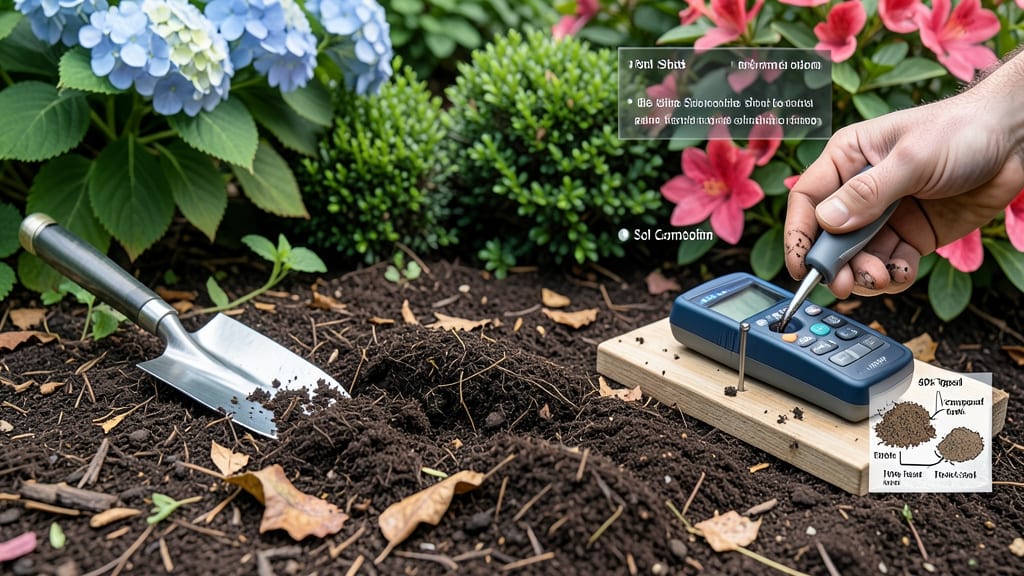
For shrubs, the ideal soil is well-draining yet moisture-retentive, with loam-based mixes supporting most varieties while sandy mixes suit drought-tolerant species. Amend clay or heavy soils with compost or perlite for optimal growth.
Shrubs thrive when their roots have access to both air and moisture—too much water drowns them, while poor drainage forces roots to compete for oxygen. 🌱 Loam-based soils (equal parts sand, silt, and clay) strike the perfect balance, holding nutrients while allowing excess water to drain.
Sandy soils, on the other hand, are better for arid climates where water retention is less critical. The key is matching your soil type to your shrub’s natural habitat: hydrangeas crave moisture-rich loam, while rosemary and lavender flourish in fast-draining sandy mixes.
If your yard has heavy clay soil, don’t despair—amending it with organic matter like compost or perlite can transform its structure in just a few seasons. I’ve seen clay gardens go from waterlogged nightmares to thriving shrub beds after adding a 2-inch layer of compost and mixing in perlite.
The goal is to create a root-friendly environment where nutrients are accessible but not trapped, and water moves freely without pooling.
💡 In This Article
- How Soil Composition Affects Shrub Root Health
- Best Shrub Soil Mixes for Different Climates
How soil composition affects shrub root health
Shrub roots breathe through tiny pores between soil particles, so the right texture is everything. Loam soil—with roughly 40% sand, 40% silt, and 20% clay—creates ideal conditions by balancing aeration and water retention.
The silt particles hold moisture like a sponge while the sand and clay create air pockets for oxygen flow. This structure prevents root suffocation while keeping nutrients accessible. For comparison, pure sand drains too quickly, while heavy clay holds water like a concrete block, both leading to root stress.
The organic matter in loam (typically 5-10% compost or decomposed plant material) acts like a nutrient reservoir, slowly releasing food for roots. Without it, even well-drained soil becomes nutrient-poor.
I've seen azaleas thrive in acidic loam (pH 5.0-6.0) but struggle in alkaline soil where nutrients like iron become locked away. The organic layer also improves soil structure over time, breaking up compacted areas that restrict root growth. 🌿
Sandy soils excel in dry climates because they drain rapidly, preventing waterlogging that can rot roots. However, they require frequent watering and fertilization since nutrients wash away quickly. The trade-off is perfect for drought-tolerant shrubs like rosemary or lavender, which evolved to handle these conditions.
In contrast, moisture-loving shrubs like hydrangeas need the water-holding capacity of loam or amended clay soil to survive summer droughts.
pH plays a hidden but critical role—most shrubs prefer slightly acidic to neutral soil (pH 6.0-7.0). Blueberries, for example, demand acidic soil (pH 4.5-5.5) to access aluminum and manganese, while boxwoods tolerate a broader range (pH 5.0-8.0).
Testing your soil's pH with a simple kit can save you from guessing whether your shrubs are starving or drowning in their own soil.
For heavy clay soils, the fix is simple: add 2-3 inches of compost and mix in 10-20% perlite or coarse sand to improve drainage. I've transformed stubborn clay gardens into thriving shrub beds by working in organic matter annually.
The key is patience—soil structure improves gradually as microbial activity breaks down the amendments. Over time, you'll see roots spread deeper and shrubs grow stronger with fewer signs of stress.