
How To
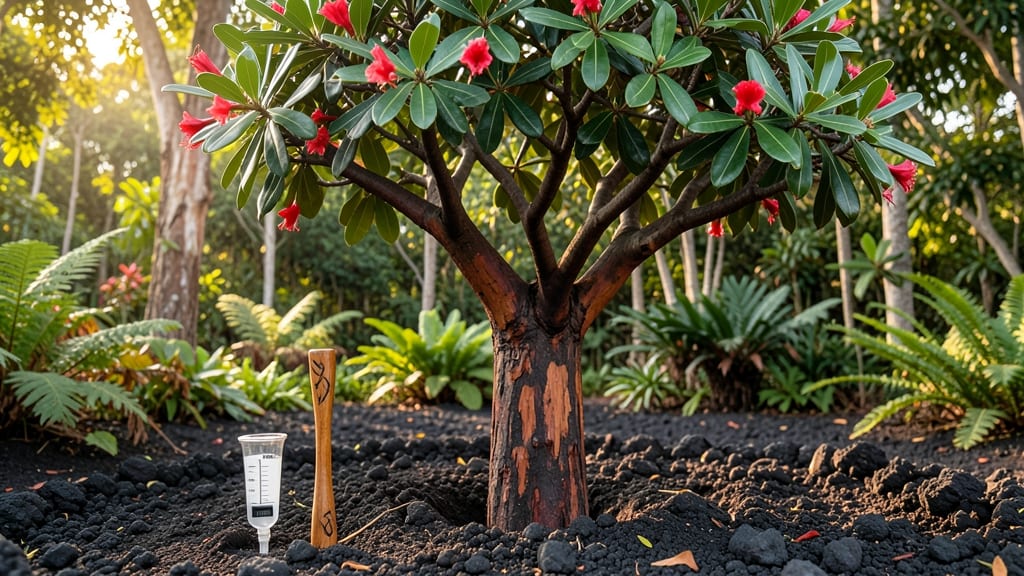
The soil in Hawaii is primarily volcanic in origin, rich in minerals like potassium and phosphorus, yet often acidic and prone to erosion, requiring careful cultivation for optimal plant growth in tropical climates.
The volcanic soil in Hawaii forms from centuries of lava flows and weathering, creating a nutrient-dense yet fragile growing medium. 🌋 These basaltic soils drain quickly but hold essential minerals like iron and magnesium, perfect for tropical crops but demanding regular amendments to balance acidity.
I’ve seen how coffee plants thrive in these conditions when paired with compost, while erosion control measures like mulching become critical for long-term success.
What sets Hawaiian soil apart is its unique mineral profile—high in volcanic glass and ash—which supports lush vegetation but also requires pH adjustments for non-native plants. Farmers often blend organic matter to improve moisture retention, especially in drier regions like the Kona district.
The key is working with nature’s foundation while protecting it from rapid degradation.
💡 In This Article
- How Volcanic Activity Shapes Hawaii’s Soil Composition
- Best Plants and Gardening Tips for Hawaii’s Unique Soils
How volcanic activity shapes Hawaii’s soil composition
Hawaii’s soil begins its journey as molten lava from the island’s active volcanoes, like Kīlauea or Mauna Loa. When lava cools and solidifies, it forms basalt—a dark, dense rock rich in iron and magnesium.
Over centuries, wind, rain, and microbial activity break down this basalt into tiny mineral particles, creating the fertile volcanic soil known as andisol. This process releases essential nutrients like potassium and phosphorus, which are crucial for plant growth.
The resulting soil has a unique porous structure from volcanic glass fragments, allowing water to drain quickly but also retaining moisture near plant roots. However, this rapid drainage means nutrients wash away easily unless managed properly.
For example, coffee plants thrive in these soils because their deep roots access minerals, but erosion becomes a major challenge during heavy rains. The pH often hovers around 4.5-6.5, making it naturally acidic—a factor that influences what plants can grow successfully.
Ash from volcanic eruptions adds another layer of complexity. When Mount St. Helens erupted in 1980, its ash traveled thousands of miles, enriching Hawaiian soils with silica and other minerals.
Locally, eruptions like those on the Big Island deposit fresh ash that temporarily boosts soil fertility but can also create a thin, nutrient-poor surface layer if not incorporated properly. This duality explains why some areas produce bountiful crops while others struggle with barren patches.
One standout feature is the high concentration of micronutrients like zinc and copper, which support plant metabolism but can become toxic in excess. For instance, macadamia nut trees, native to Hawaii, have adapted to these conditions, while non-native plants often require soil amendments like lime to neutralize acidity.
The interplay between these geological forces creates a soil that’s both a gardener’s dream and a challenge—rich in potential but demanding careful stewardship.
Consider the contrast between the Kona district’s well-drained, mineral-rich soils and the wetter, more acidic regions of the Big Island’s rainforests.
In Kona, the soil’s volcanic origin supports high-yield coffee and macadamia orchards, while in rainforests, the same volcanic base combines with organic matter to create humus-rich layers perfect for native ferns and orchids. This diversity highlights how volcanic activity doesn’t just create soil—it sculpts entire ecosystems.
The key takeaway? Hawaii’s soil is a dynamic product of fire and time, where every eruption, rainstorm, and root system reshapes its composition. Understanding these processes helps gardeners and farmers make informed decisions—whether to add compost, adjust pH, or choose plants that thrive in these unique conditions. 🌋