
Diseases
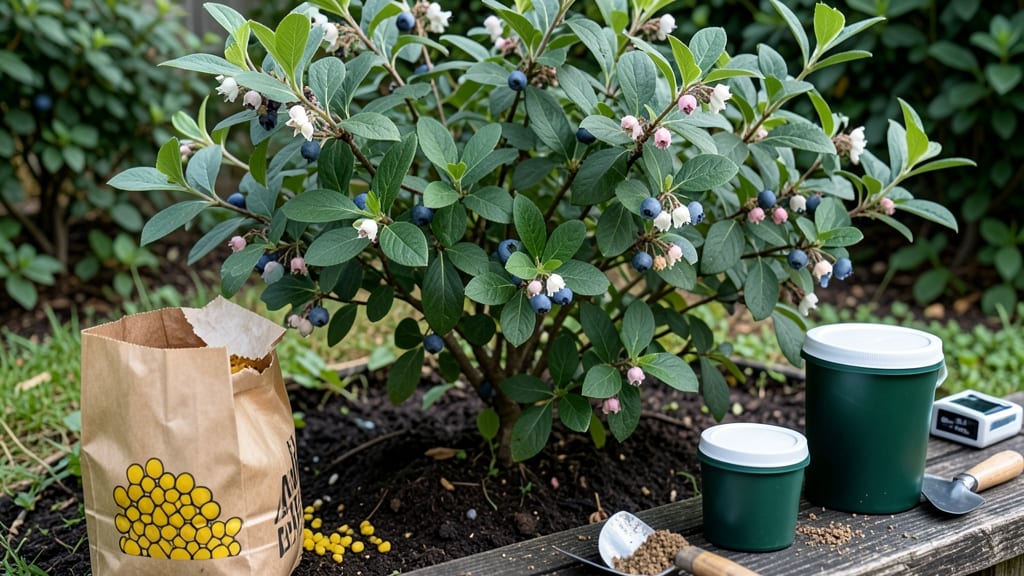
Soil acidifier is not a fertilizer—it adjusts soil pH to improve nutrient availability for acid-loving plants like blueberries or azaleas, but lacks essential macronutrients like nitrogen, phosphorus, or potassium. Use it to correct alkalinity, not to feed plants directly.
Soil acidifiers focus solely on adjusting pH levels, not providing plant food. 🌱 Think of them as a soil chemistry tool rather than a nutritional supplement—they help unlock nutrients already present in the soil by creating the right acidic environment.
For example, blueberries thrive in soil with a pH between 4.5 and 5.5, while azaleas prefer 5.0 to 6.0. Without proper acidity, even nutrient-rich soil won't support these plants effectively.
This distinction matters because many gardeners mistakenly use acidifiers as a substitute for fertilizers, leading to stunted growth when plants actually need nitrogen or phosphorus.
The key is testing your soil first—if the pH is too high, an acidifier can help, but you'll still need to add fertilizer for complete plant nutrition.
💡 In This Article
- How Soil Acidifiers Work to Boost Plant Health
- When and How to Use Soil Acidifiers vs Fertilizers
How soil acidifiers work to boost plant health
Soil acidifiers like sulfur or aluminum sulfate work by introducing hydrogen ions (H+) into the soil, which react with alkaline minerals like calcium carbonate to form water and carbon dioxide. This chemical reaction lowers the pH, making the soil more acidic.
For example, elemental sulfur converts to sulfuric acid when oxidized by soil microbes, gradually reducing pH by 1 to 2 points per application over several months. The process is slow but steady—unlike quick-acting fertilizers that provide immediate nutrients.
This pH adjustment is crucial because many essential nutrients become more available to plants in acidic conditions. Take phosphorus, for instance: in alkaline soils, it binds tightly to calcium and iron, becoming locked away from plant roots.
But when soil pH drops to the ideal range (4.5-5.5 for blueberries), phosphorus dissolves and becomes accessible. Similarly, micronutrients like iron, manganese, and zinc—often deficient in alkaline soils—become far more bioavailable in acidic environments. Without proper acidity, even nutrient-rich soil can starve plants of these critical elements.
The science gets even more interesting when you consider aluminum. While toxic in high concentrations, small amounts of soluble aluminum actually stimulate root growth in many acid-loving plants. This is why azaleas and rhododendrons thrive in acidic soils—they've evolved to tolerate and even benefit from these conditions.
The key is balance: too much acidity can release harmful aluminum levels, but the right pH creates an optimal environment for nutrient uptake and plant metabolism.
Visualize it this way: alkaline soil is like a locked vault where nutrients are stored but inaccessible. An acidifier acts as the vault's key, unlocking these nutrients so plant roots can absorb them efficiently.
For gardeners growing acid-loving plants, this chemical process is the difference between thriving blueberry bushes and struggling, yellowing leaves caused by nutrient deficiencies. The transformation happens at the molecular level—where pH determines which nutrients dissolve and which remain bound in the soil matrix.
Consider the case of gardenias, which require soil pH between 5.0 and 6.5. In a neutral or alkaline soil (pH 7.0+), these plants often show symptoms of iron chlorosis—yellow leaves with green veins—because the iron becomes chemically unavailable.
Applying an acidifier can correct this within weeks, allowing the plant to access the iron it desperately needs. This demonstrates why soil acidifiers are a specialized tool in the gardener's arsenal, distinct from general-purpose fertilizers that provide raw nutrients without addressing pH-related availability issues.
What most people don't realize is that this chemical process isn't instantaneous. Sulfur-based acidifiers, for example, can take 3 to 6 months to fully lower soil pH, while aluminum sulfate works more quickly but may require careful monitoring to avoid over-acidification.
The timing depends on soil type—sandy soils respond faster than clay because water drains through more quickly, carrying the acidifying agents deeper. This delayed action is why many gardeners apply acidifiers in early spring, giving the soil time to adjust before the growing season peaks.
For those curious about the sensory experience, think of soil acidification as an invisible transformation. You won't see dramatic changes like you would with fertilizer granules, but the results show up in healthier plants with deeper green leaves and stronger growth.
The real magic happens below the surface—where chemistry meets biology to create the perfect growing environment for acid-loving species. 🌿