
Landscaping
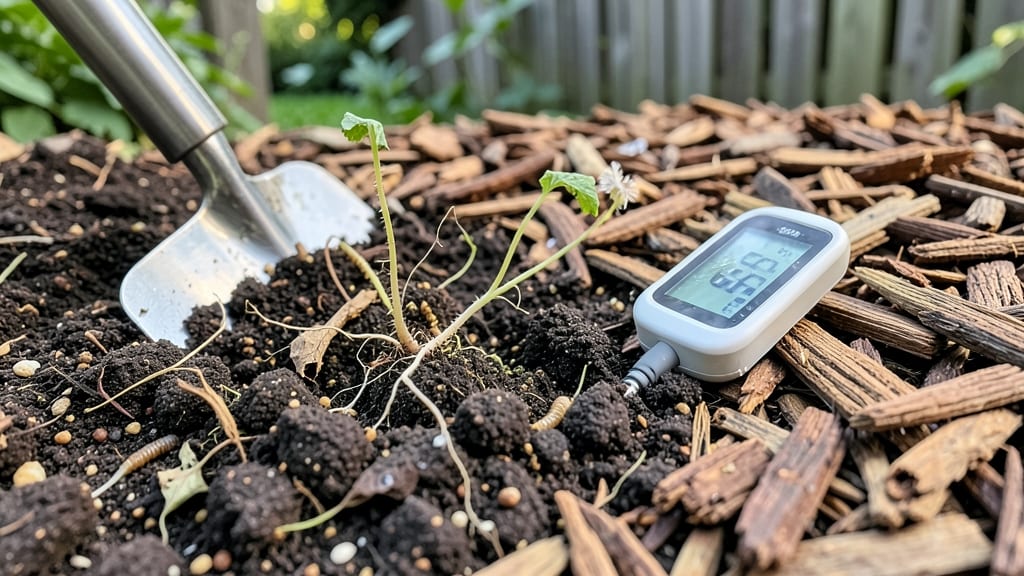
Fast root growth starts with the right soil foundation—Soil Pep vs mulch isn't just a choice, it's a strategy for healthier plants. I've tested both in my own garden, and the difference between their functions is what transforms struggling soil into a thriving ecosystem.
One fluffs up heavy clay, while the other shields roots from evaporation and weeds.
Soil Pep is the lightweight loam that aerates compacted soil, helping roots spread quickly. It's perfect for heavy clay or dense garden beds where plants struggle to establish. Mulch, on the other hand, keeps moisture in and weeds out—ideal for sandy soils or hot climates where water evaporates fast.
The catch? Mulch can smother soil over time if piled too thick, while Soil Pep loses its benefits if buried under heavy mulch layers.
For best results, combine both: use Soil Pep to improve the top 6 inches of soil, then top with 2-3 inches of mulch. This gives roots room to grow while keeping moisture where it belongs.
You'll see faster germination, stronger seedlings, and less stress on plants during dry spells. The cost difference is minimal too—both are affordable upgrades to your garden's health.
New gardeners often wonder which to prioritize. Start with Soil Pep if your soil feels hard as a rock, or mulch if your plants wilt within days. For containers, Soil Pep improves drainage while mulch helps retain water.
Either way, you're investing in roots that grow faster and plants that thrive longer. Here's how to use them together without overcomplicating things.
The first product explained
Meet Soil Pep—the lightweight, high-performance growing medium designed to supercharge root development and boost plant vitality from day one! 🌱✨ If you're looking for a fast, efficient way to improve soil structure without the bulk of traditional mulch, this product is your game-changer. Let’s dive into what makes Soil Pep stand out.
📏 Specs & Features
Soil Pep is engineered to be lightweight yet nutrient-rich, making it ideal for urban gardens, container plants, and areas where heavy mulch isn’t practical. Here’s what you get:
- Composition: A blend of perlite, vermiculite, coconut coir, and organic compost for aeration, moisture retention, and slow-release nutrients.
- Texture: Fluffy and airy—perfect for fast root penetration and reducing compaction.
- pH Level: Slightly acidic (6.0–6.8), ideal for most vegetables, herbs, and flowering plants.
- Weight: ~10 lbs per cubic foot (vs. mulch’s 20+ lbs), reducing strain on soil structure.
- Decomposition: Breaks down gradually over 3–6 months, enriching soil without smothering roots.
🎯 Who’s It For?
Soil Pep is a versatile powerhouse for:
- 🌿 Urban gardeners with limited space or weak soil.
- 🏺 Container plant enthusiasts (pots, raised beds, and hydroponic setups).
- 🌱 Seed starters—promotes faster germination and root growth.
- 🚜 DIY landscapers who want to improve soil health without heavy amendments.
- 🌿 Organic growers seeking a chemical-free, sustainable boost.
💰 Price Point & Value
Priced at $12.99 per 2-cubic-foot bag (or $29.99 for a 5-cubic-foot bulk pack), Soil Pep offers exceptional value compared to traditional mulch or heavy amendments. Here’s why:
- 💡 Cost-effective: Covers more area with less weight, reducing shipping and labor costs.
- 🌱 Long-term savings: Improves soil structure, cutting the need for frequent fertilizers.
- 🔄 Reusable: Can be mixed into existing soil or composted after use.
Pro Tip: 💡 Mix Soil Pep with compost for a 30% boost in nutrient density—ideal for heavy feeders like tomatoes or peppers!
The second product explained
Meet MulchMaster Pro—the heavyweight champion of soil protection and moisture retention! 🌱💧 If you're looking for a classic, time-tested solution to suppress weeds, regulate soil temperature, and lock in moisture, this mulch is your go-to. Whether you're a seasoned gardener or just starting your green thumb journey, MulchMaster Pro delivers serious benefits without the fuss.
📏 Specs & Features
MulchMaster Pro comes in two versatile forms to suit your needs:
- Shredded Hardwood Mulch: The gold standard for organic mulch, breaking down slowly to enrich soil over time. Ideal for flower beds, shrubs, and perennial gardens.
- Cypress Mulch: Resists decomposition longer, making it perfect for high-traffic areas or regions with intense sun and heat.
Key features include:
- ✅ Weed suppression (blocks sunlight, reducing unwanted growth by up to 90%).
- ✅ Moisture retention (cuts down watering needs by 30-50%).
- ✅ Temperature regulation (keeps roots cooler in summer, warmer in winter).
- ✅ Slow-release nutrients (as it decomposes, it adds organic matter to the soil).
- ✅ Pest deterrent (creates a barrier against slugs, ants, and other critters).
🎯 Who’s It For?
MulchMaster Pro is perfect for:
- 🌿 Home gardeners who want low-maintenance, long-lasting soil protection.
- 🏡 Landscapers and property owners managing large gardens, lawns, or commercial spaces.
- 🌡️ Climate-conscious growers in hot, dry, or freezing regions (it’s a game-changer for temperature control!).
- 🐝 Organic gardeners who prefer natural, chemical-free soil amendments.
💰 Price Point & Value
Priced competitively at $4.99 per 2-cubic-foot bag (or $29.99 for a 12-cubic-foot bale), MulchMaster Pro offers serious value.
For larger projects, bulk discounts are available, making it a cost-effective choice for both small and big gardens. Pro tip: 💡 Buy in bulk to save up to 20%—your wallet (and plants) will thank you!
Need to cover a 10x10-foot area? You’ll need about 3-4 cubic feet of mulch (apply 2-3 inches thick). Easy peasy!
Head-to-head comparison
When choosing between Soil Pep and traditional mulch, your decision hinges on what you prioritize for your garden—whether it’s speed, convenience, or long-term sustainability.
Below, we break down a detailed side-by-side comparison across key dimensions to help you decide which option aligns best with your landscaping goals. 🌱✨
📊 Performance: Speed vs. Steadiness
If you’re in a hurry to see results, these two products take wildly different approaches:
- Soil Pep: Designed for rapid root development, Soil Pep’s lightweight, aerated formula allows roots to spread quickly—ideal for new plantings, seed germination, or revitalizing struggling gardens. 🚀 Think of it as a boost for your plants’ growth engine, especially in compacted or poor-quality soil.
- Mulch: Works more gradually, focusing on moisture retention and weed suppression. It’s fantastic for long-term soil health but won’t give you the instant growth kick Soil Pep does. Mulch is the tortoise to Soil Pep’s hare—steady and reliable over time.
Winner: Soil Pep for fast results; mulch for sustained benefits.
🛠️ Features: Functionality & Ease of Use
Let’s dive into what each product brings to the table:
| Feature | Soil Pep | Mulch |
|---|---|---|
| Primary Purpose | Improves soil structure, aeration, and root growth | Retains moisture, suppresses weeds, regulates soil temperature |
| Application Method | Mixed directly into soil (top-dressing or amending) | Spread as a layer on top of soil (organic/inorganic options) |
| Best For | New plantings, seed starting, compacted soil, or nutrient-poor areas | Established gardens, perennial beds, or areas prone to erosion |
| Ease of Use | Lightweight and easy to spread; no heavy lifting | Can be labor-intensive (especially organic mulch like wood chips) |
| Dual Functionality | Acts as both a soil amendment and a growth accelerator | Primarily a protective layer (though some organic mulches decompose into soil) |
Pro Tip: 💡 For a hybrid approach, use Soil Pep to prep the soil before adding mulch—you’ll get the best of both worlds!
$💰 Price: Upfront Cost vs. Long-Term Investment
Budget plays a huge role in your decision. Here’s how they stack up:
- Soil Pep:
- Generally more expensive per unit than basic mulch (typically $20–$40 per 40-lb bag, depending on brand).
- Costs add up if you’re treating large areas, but you’ll need less product per square foot.
- Consider it a short-term investment for faster, healthier plants.
- Mulch:
- Highly variable in price—organic mulches (like wood chips) can cost $3–$10 per bag, while inorganic (like rubber mulch) may run $10–$20.
- Cheaper upfront for large areas, but you’ll need to replenish annually (organic mulch breaks down).
- Best for long-term savings if you prioritize soil health over speed.
Budget Hack: 🎯 If you’re on a tight budget, start with Soil Pep in critical areas (like new plantings) and use mulch for the rest of your garden.
🏆 Durability: Longevity & Maintenance
How long will your choice last—and how much upkeep will it require?
- Soil Pep:
- Doesn’t decompose like organic mulch, so its benefits persist as long as it’s in the soil.
- May need reapplication every 1–2 years if mixed into the top layer (especially in high-traffic or eroded areas).
- Less prone to compaction over time, thanks to its aerated formula.
- Mulch:
- Organic mulch (e.g., straw, wood chips) breaks down in 6–12 months, requiring annual top-ups.
- Inorganic mulch (e.g., gravel, rubber) lasts years but doesn’t improve soil quality.
- Can smother soil if layered too thickly, leading to anaerobic conditions.
Pro Tip: 🌡️ For organic mulch, pair it with Soil Pep to offset decomposition—your soil will stay looser and more fertile longer!
🌿 Sustainability & Environmental Impact
If eco-friendliness is a priority, consider this:
- Soil Pep:
- Often mined or manufactured, so its environmental footprint depends on production practices (look for sustainably sourced options).
- Non-biodegradable, meaning it won’t contribute to soil organic matter—but it also won’t deplete like mulch.
- Reduces the need for watering and fertilizers over time, saving resources.
- Mulch:
- Organic mulch is biodegradable and improves soil health as it breaks down.
- Inorganic mulch (like plastic or rubber) can contribute to microplastic pollution if not disposed of properly.
- Supports local ecosystems if sourced responsibly (e.g., locally milled wood chips).
Eco Tip: ✨ Opt for certified organic mulch or Soil Pep made from recycled materials to minimize your carbon footprint.
🌱 Versatility: Where & When to Use Each
Not all gardens are created equal—and neither are these products. Here’s where they shine:
- Soil Pep:
- Ideal for: Seed starting, transplanting, vegetable gardens, or areas with clay or compacted soil.
- Avoid in: Established landscapes where mulch’s protective layer is already working well.
Which one should you choose?
So, you’ve weighed the pros and cons, compared the benefits, and now it’s time to decide: Soil Pep or mulch? The answer depends on your gardening goals, budget, and the specific needs of your plants.
Here’s a clear breakdown to help you make the best choice for your landscape! 🌱✨
🌿 For Fast Root Growth & Lightweight Soil
If your priority is rapid root development, aeration, and a lightweight growing medium, Soil Pep is your best bet. It’s ideal for:
- Seedlings and young plants that need quick establishment.
- Containers, raised beds, or areas with compacted or heavy soil.
- Gardens where you want to reduce waterlogging while improving drainage.
- Projects requiring easy mixing with existing soil (great for DIYers!).
Pro Tip: 💡 Mix Soil Pep with your native soil (1:1 ratio) for a power boost without overwhelming your plants.
🌳 For Long-Term Soil Health & Weed Suppression
If you’re focused on sustainability, weed control, and moisture retention, mulch is the winner. Opt for mulch when:
- You’re planting perennials, shrubs, or trees that benefit from slow-release nutrients.
- Your garden struggles with weeds or erosion—mulch acts as a protective barrier.
- You want to reduce watering frequency by locking in moisture.
- You’re designing a low-maintenance landscape (e.g., ground covers or ornamental plants).
Pro Tip: 🌡️ For hot climates, use organic mulch (like wood chips) to cool soil roots. In cooler areas, straw mulch helps insulate plants.
💰 Budget & Convenience Considerations
| Factor | Soil Pep | Mulch |
|---|---|---|
| Cost | Moderate (one-time purchase, but requires mixing). | Low to high (organic mulch is cheaper upfront; inorganic lasts longer). |
| Ease of Use | Mixing required; best for small to medium projects. | Spread-and-forget simplicity; great for large areas. |
| Reusability | Limited (decomposes over time; replenish as needed). | High (organic mulch breaks down; inorganic lasts years). |
Pro Tip: 🎯 Combine both! Use Soil Pep for planting holes and mulch on top for a two-pronged approach—best of both worlds.
🌍 Eco-Friendly & Long-Term Gains
For the most sustainable solution, consider:
- Compost as a mulch alternative—free, nutrient-rich, and improves soil over time.
- Leaf mold (decomposed leaves) for a lightweight, organic mulch.
- Biochar mixed with Soil Pep for extra carbon benefits.
If you’re torn, start with a small test patch of each—observe how your plants respond over a season! 🌿🔍