
Neem Oil
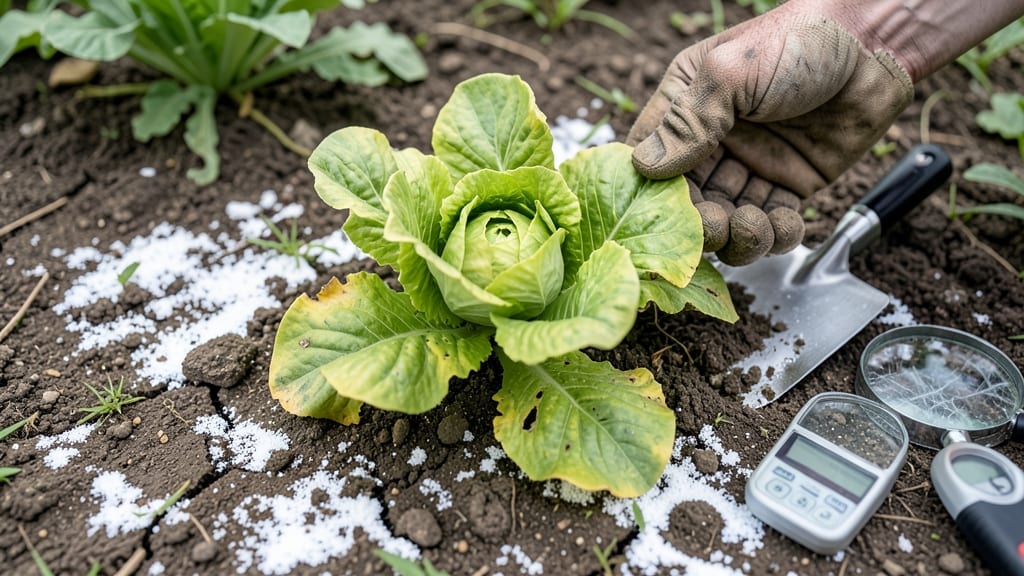
When the soil has turned white, it’s not just an eyesore—it’s a warning sign your plants might be struggling. ✨ I’ve seen this happen after overzealous lime applications, fungal outbreaks, or even salt buildup from poor drainage.
The good news? Neem oil can often restore balance and prevent further damage when used correctly.
White soil usually means one of three things: excess lime creating alkaline conditions, fungal growth like powdery mildew, or salt accumulation from tap water or fertilizers.
The texture changes too—it feels gritty or crusty instead of crumbly. Before reaching for solutions, check if your plants show wilting, yellowing leaves, or stunted growth.
Neem oil tackles fungal issues while improving soil health, but it’s not a magic fix. First, test your soil’s pH—aim for 6.0-7.0 for most vegetables. Then, mix 1 tablespoon of neem oil per gallon of water and apply lightly to the soil surface.
Repeat every 2-3 weeks until you see improvement in soil color and plant vigor.
For persistent problems, consider a soil test ($20 at garden centers) to rule out hidden issues like compacted soil or nutrient deficiencies. The key is acting fast—white soil left untreated can lead to poor plant growth and even death. With the right approach, you’ll have healthy soil in no time.
Root Causes Of Pale Soil
When your soil transforms into a ghostly white canvas, it’s rarely a coincidence—it’s a cry for help from your plants and microbes. Understanding the why behind this eerie shift is the first step to reclaiming healthy, vibrant soil.
Below, we break down the most common culprits, backed by science and actionable insights.
One of the most common reasons for white soil is the presence of fungal spores, particularly powdery mildew or root rot. These fungi thrive in damp, poorly aerated conditions and release white, powdery residues as they spread.
Over time, they can coat soil particles, giving them a chalky appearance.
Why it happens:
- Moisture imbalance: Fungi love humidity. Overwatering or poor drainage creates the perfect breeding ground, allowing spores to multiply rapidly.
- Nutrient deficiency: Soil lacking nitrogen or phosphorus weakens plant roots, making them more susceptible to fungal attacks.
- Lack of microbial competition: Healthy soil teems with beneficial bacteria and fungi that naturally suppress pathogens. When this balance is disrupted (often due to synthetic fertilizers or pesticides), harmful fungi take over.
💡 Pro Tip: If you suspect fungal activity, gently scrape the soil. If it leaves a white, powdery residue on your fingers, fungi are likely the culprit. Neem oil, with its azadirachtin compound, disrupts fungal cell membranes, starving them of nutrients and halting their spread.
Excessive use of synthetic fertilizers, especially those high in sodium or chloride, can lead to salt accumulation in the soil. Over time, these salts crystallize on soil particles, creating a white, crusty layer—often mistaken for fungal growth.
Why it happens:
- Poor leaching: In regions with low rainfall or heavy clay soils, salts don’t wash away naturally. They accumulate near the surface, forming a white, alkaline crust.
- Improper irrigation: Drip irrigation or overhead watering can concentrate salts in the root zone, especially in evaporative climates.
- Organic matter depletion: Soil rich in organic material (like compost) binds salts and prevents buildup. When organic matter is low, salts dominate.
💡 Pro Tip: Conduct a simple salt test: Mix a spoonful of soil with water and let it settle. If the water tastes salty or leaves a white residue in the container, salt buildup is likely. Flush the soil with rainwater or distilled water to dilute salts, and amend with gypsum (calcium sulfate) to improve structure.
Some soil-dwelling pests, like mealybugs, scale insects, or even termite swarms, leave behind white, waxy residues as they feed and excrete waste. This "frass" (insect droppings) can coat soil, giving it a ghostly appearance—especially in potted plants or greenhouse settings.
Why it happens:
- Weakened plants: Stressed plants (due to drought, poor nutrition, or disease) attract pests that thrive on sap and organic matter.
- High humidity: Pests like mealybugs flourish in warm, moist environments, often found in greenhouses or under mulch.
- Lack of predators: Beneficial insects (like ladybugs or lacewings) keep pest populations in check. When these natural controls are absent, pests multiply unchecked.
💡 Pro Tip: Inspect plant stems and soil surfaces with a magnifying glass. Look for cottony clusters (mealybugs) or tiny white eggs (scale insects). Neem oil’s triterpenoids smother pests and disrupt their life cycles, while also repelling future infestations.
In some cases, white soil isn’t biological at all—it’s a mineral reaction. For example, calcium carbonate (lime) or gypsum can precipitate out of the soil solution, especially in alkaline conditions, forming white crystalline deposits.
Why it happens:
- High pH levels: Soil with a pH above 7.5 often has excess calcium or magnesium, which crystallizes as white salts.
- Evaporation: In arid climates, water evaporates quickly, leaving behind concentrated minerals.
- Amendments gone wrong: Over-applying lime or wood ash can spike pH levels, triggering mineral precipitation.
💡 Pro Tip: Test your soil’s pH using a home test kit. If it’s above 7.5, amend with sulfur or peat moss to lower pH gradually. For mineral deposits, leach the soil with water to dissolve and wash away excess salts.
Each of these causes points to an underlying imbalance in your soil’s ecosystem. The good news? Neem oil doesn’t just mask the symptoms—it restores the balance by targeting the root of the problem, whether it’s fungal overgrowth, salt buildup, pests, or mineral imbalances.
Revive Your Soil Naturally
When you spot white patches creeping into your garden beds, it’s a clear sign your soil needs a reset—but the good news is, you don’t need harsh chemicals to fix it. Neem oil, a natural powerhouse, can restore balance, banish fungal growth, and prevent future outbreaks.
Below, we break down practical, step-by-step solutions tailored to the most common causes of white soil, plus prevention tips to keep your garden thriving.
---
If your soil looks like it’s been dusted with flour, fungal spores are likely the culprit. These thrive in damp, shaded conditions and can weaken plant roots.
#### 🔥 Step 1: Remove Infected Debris - 🍂 Clear out dead leaves, mulch, or plant debris from the affected area. - 🔪 Dig up severely infected soil (up to 2–3 inches deep) and discard it in a sealed bag. - Pro Tip: Avoid composting infected soil—fungal spores can survive and reinfect!
#### 👨🍳 Step 2: Apply Neem Oil Fungicide Neem oil disrupts fungal cell membranes, starving spores of nutrients. - 💧 Mix: 1 tablespoon neem oil + 1 teaspoon mild dish soap (as an emulsifier) per quart of water. - 🌿 Spray the solution evenly over the soil surface and affected plants (including undersides of leaves). - ⏰ Reapply every 7–10 days until symptoms disappear.
#### 🌡️ Step 3: Adjust Soil Conditions Fungi love moisture and poor airflow. Break the cycle with these tweaks: - ✨ Improve drainage: Amend heavy clay soil with compost or perlite to prevent waterlogging. - 🌞 Increase airflow: Thin out dense foliage or prune plants to allow sunlight and breeze to circulate. - 💡 Balance pH: Test your soil—fungi thrive in acidic (pH <6.0) conditions.
Add lime (for acidic soil) or sulfur (for alkaline soil) as needed.
---
If your soil looks powdery or chalky, excess salts (from fertilizers, irrigation water, or hard water) may be crystallizing on the surface.
#### 💦 Step 1: Flush the Soil - 🌧️ Water deeply (1–2 inches) to dissolve salt deposits and leach them away. - 🔄 Repeat 2–3 times over a week to ensure thorough rinsing. - Pro Tip: Use rainwater (if available) or distilled water—tap water often contains added minerals.
#### 🌱 Step 2: Amend with Organic Matter Salt buildup disrupts soil structure. Rebuild fertility with: - 🍄 Compost (1–2 inches mixed into the top 6 inches of soil). - 🥔 Well-rotted manure (chicken or cow manure works well). - 🌿 Mulch (straw or wood chips) to prevent future salt accumulation.
#### 🎯 Step 3: Avoid Over-Fertilizing - 📊 Use slow-release fertilizers (like organic pellets) instead of quick-acting synthetic ones. - 💧 Water before fertilizing to dilute salts and reduce burn risk. - Prevention Tip: Test soil every 2–3 years to monitor salt levels.
---
Some white soil isn’t fungal—it’s pest frass (waste) or calcium deposits from insects tunneling underground.
#### 🐜 Step 1: Identify the Pests - 🐜 Ants: Leave behind white, powdery trails (especially near mounds). - 🐜 Termites: Create hollow-sounding wood and sandy white tunnels in soil. - 🐛 Wireworms: Leave irregular white burrows in garden beds.
#### 🔥 Step 2: Natural Pest Control - 🌿 Neem oil spray: Apply directly to soil and plant bases to repel ants and termites. - 🍋 Diatomaceous earth (DE): Sprinkle a thin layer around plants—it dehydrates pests but is safe for soil. - 🌱 Beneficial nematodes: Introduce microscopic predators (like Steinernema carpocapsae) to target grubs and larvae.
#### 🏡 Step 3: Physical Barriers & Prevention - 🧱 Install copper tape around garden beds to deter ants. - 🪵 Use gravel or sand as a moat around vulnerable plants (termite deterrent). - 🌱 Rotate crops annually to disrupt pest life cycles.
---
Once your soil is back to normal, keep it healthy with these habits: - 💧 Water in the morning to reduce humidity and fungal growth. - 🌿 Mulch with straw or pine needles (avoid thick layers that trap moisture). - 🍃 Practice crop rotation to prevent soil-borne diseases from recurring. - 🧪 Test soil annually for pH, nutrients, and salt levels. - 🌱 Use neem oil preventatively (diluted spray every 4–6 weeks during growing season).
--- Remember: White soil is a fixable problem—not a death sentence for your garden. With neem oil’s antifungal properties and a few smart adjustments, you’ll have vibrant, fungal-free soil in no time. 🚀
Frequently asked questions
Is white soil always a sign of fungus?
Not necessarily! While fungal growth (like powdery mildew) is a common cause, white soil can also result from salt buildup, mineral deposits, or even pest waste. To diagnose, mix a spoonful of soil with water—if it leaves a salty taste or white residue, it’s likely mineral-related. For fungal issues, check for powdery patches on leaves or stems.
How quickly can neem oil restore my soil?
Results vary, but you’ll often see improvement within 2-3 weeks of consistent treatment. Apply a diluted neem oil solution (1 tablespoon per gallon of water) every 7-10 days for fungal issues. For salt buildup or mineral deposits, combine neem oil with flushing the soil and organic amendments—this may take 4-6 weeks for full recovery.
Can I use neem oil on all types of plants?
Neem oil is generally safe for most plants, but avoid using it on neem-sensitive species like citrus, onions, or garlic. Always do a patch test first! For vegetables and flowers, dilute it properly (1 teaspoon per quart of water) and apply in the early morning to prevent leaf burn from sunlight exposure.
What’s the best way to test for salt buildup?
Try the water test: Mix 1 tablespoon of soil with 1 cup of distilled water and stir well. If the water tastes salty or leaves a white film in the container, salt buildup is likely. For a more accurate reading, use a soil conductivity meter (available at garden centers) or send a sample to a lab for analysis.
Will white soil harm my plants immediately?
Not always! Mild cases may not cause immediate damage, but persistent white soil can indicate underlying issues like poor drainage or nutrient deficiencies. Monitor your plants for signs of stress (yellowing leaves, stunted growth) and act quickly. Fungal growth or salt buildup left untreated can weaken roots and reduce yields over time.