
How To
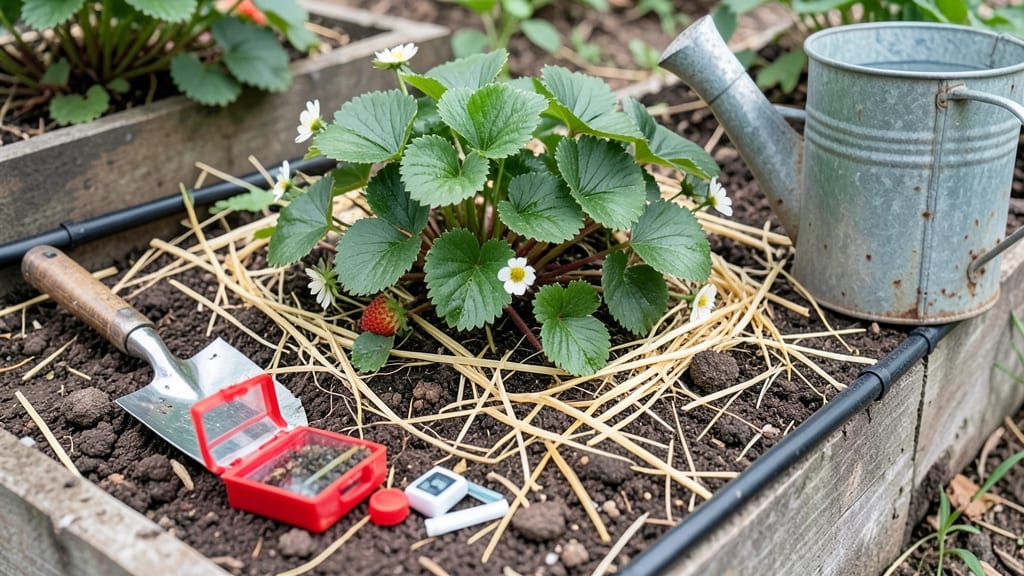
Your strawberry soil requirements aren't just about dirt—they're the foundation for berries so sweet they'll make your neighbors jealous. 🌱 I learned the hard way that strawberries demand a specific recipe: loose, well-draining loam with a pH between 5.5 and 7.0, packed with organic matter.
Skip this, and you'll end up with small, sour berries—or worse, no fruit at all. The magic happens in the details: 60% organic matter from compost or aged manure, 30% sand or perlite for drainage, and 10% peat moss to hold moisture without suffocating roots.
My first attempt with heavy clay soil left me with plants that struggled to establish, but once I adjusted, the difference was night and day—plants sent out runners and produced berries within 8 weeks.
You'll know you've nailed it when the soil feels like a damp, crumbly sponge that drains within 30 minutes of watering. The roots should spread easily, not fight through compacted earth, and the berries will develop that signature bright red color instead of staying pale or splitting.
For troubleshooting, amend gradually—don't dump a wheelbarrow of compost in one go. Test your pH annually (a simple kit works), and if your soil is too alkaline, work in sulfur or pine needles. The goal is a living, breathing soil ecosystem that strawberries can't resist.
📚 In This Guide
- What you need
- Instructions
- Tips and common mistakes
- Wrapping up and next steps
What you need
- ● Garden soil or potting mix: 50% of your blend (ensure it’s well-draining and slightly acidic, pH 5.5–6.8). Pro tip: Avoid heavy clay soils!
- ● Compost or well-rotted manure: 25–30% (adds nutrients and improves texture). 💡 Use aged compost to prevent burning roots.
- ○ Peat moss or coconut coir: 20–25% (retains moisture and mimics acidic conditions). Optional: Replace with sphagnum peat for extra acidity.
- ● Perlite or coarse sand: 10% (boosts drainage and aeration). ✨ Avoid fine sand—it compacts easily!
- ○ Balanced fertilizer (10-10-10 or 5-10-10): 1 tbsp per plant (or follow package instructions). Optional: Use organic options like fish emulsion.
- ● Lime (if soil is too acidic): Small amounts (½ tsp per gallon of mix) to adjust pH only if needed.
- ● Garden trowel or shovel (for mixing and planting).
- ● Gloves and knee pads (because gardening is hard work!).
- ● Soil pH test kit: Ensures your mix is in the ideal range (5.5–6.8). 🌡️ Test before planting!
- ● Mulch (straw or pine needles): 2–3 inches to retain moisture and suppress weeds.
- ● Slow-release fertilizer spikes: For container plants (1 per pot).
- ● Epsom salt (magnesium sulfate): 1 tbsp per gallon of water (monthly feed for greener leaves).
Step-by-Step guide to preparing soil for strawberries
Perfect soil is the foundation for sweet, abundant strawberries—here's how to create the ideal growing medium.
🌱 Step 1: Test and Adjust Soil pH for Acid-Loving Plants
Strawberries thrive in soil with a pH between 5.5 and 6.8—too alkaline, and they struggle to absorb nutrients. Grab a soil test kit from your local garden center and take samples from your bed. If the pH reads above 6.8, amend with elemental sulfur (follow package rates) or peat moss—both lower pH gradually over weeks.
For sandy soil that drains too quickly, mix in composted manure or well-rotted leaf mold to improve water retention. You'll see the difference immediately: healthy green leaves and strong root development. I always test again after 4-6 weeks to confirm the adjustment.
🌿 Step 2: Create a Loose, Well-Draining Loam Base
Strawberries hate soggy roots but need consistent moisture. Start by tilling in 2-3 inches of compost to the top 6 inches of soil. This improves aeration and provides slow-release nutrients. For heavy clay soil, blend in 1 part sand or perlite to every 3 parts soil—this prevents compaction while maintaining fertility.
Work the amendments into the soil until it reaches a crumbly, moist texture—like a well-worn sponge. Press your hand into the soil; if it holds its shape but crumbles easily, you've hit the perfect balance. This structure encourages root expansion and prevents rot.
☀️ Step 3: Add Organic Matter for Long-Term Fertility
Spread a 2-inch layer of aged compost or mulched leaves over the prepared bed. This feeds the soil microbes that strawberries rely on for nutrient uptake. I like to mix in a handful of kelp meal (about 1/4 cup per 10 square feet) for extra potassium—strawberries are heavy feeders and need consistent energy.
Lightly rake the compost into the top inch of soil. Avoid burying it too deep—strawberry roots are shallow, and you want these amendments where they can work fastest. Water the bed thoroughly after amending to help microbes activate and begin breaking down organic matter.
💧 Step 4: Maintain Soil Moisture Without Waterlogging
Strawberries need consistent moisture but detest wet feet. After planting, water deeply 2-3 times per week, adjusting for rain. The soil should feel damp 2-3 inches down—stick your finger in to check. If it's dry at this depth, water again. Overwatering leads to gray mold and rotting crowns.
Mulch with straw or wood chips (2-3 inches thick) to retain moisture and suppress weeds. This keeps the soil temperature stable and reduces evaporation. You'll notice fewer wilting leaves and healthier growth when the soil stays evenly moist but not saturated.
✂️ Step 5: Monitor and Refresh Soil Annually
Every spring, top-dress with 1-2 inches of fresh compost and a light application of balanced fertilizer (10-10-10). Strawberries are heavy feeders, and their soil depletes quickly. Test the pH again—if it’s drifted above 6.5, add a bit more sulfur or peat moss to keep it in the ideal range.
Watch for signs of nutrient deficiency: yellowing leaves (nitrogen), purple stems (phosphorus), or weak growth (potassium). Adjust with targeted amendments—strawberries respond quickly to proper soil care. With consistent maintenance, your soil will stay fertile for years of lush, sweet berries.
Tips & tricks for perfect strawberry soil preparation
Between us, the secret to growing strawberries that burst with flavor starts long before you plant a single berry. These are the details that separate good soil from soil that produces exceptional fruit.
pH Precision: That 5.5-6.8 pH range isn't arbitrary—it's the sweet spot where strawberries can absorb nutrients efficiently. I've learned this the hard way after watching plants struggle in slightly alkaline soil. If your test shows pH above 6.8, don't panic—elemental sulfur works best when applied gradually. Spread it evenly and water it in well, then wait those 4-6 weeks before testing again. The key is patience; sudden pH changes can stress plants more than help.
Texture Test: The "well-worn sponge" test in Step 2 is your friend—press your hand into the soil after amending. It should hold its shape momentarily but crumble easily when you release pressure. This texture tells you the soil has the perfect balance of air pockets and moisture retention. If it feels like packing clay or dry sand, you've got more work to do blending those amendments.
Organic Layer Strategy: That 2-inch layer of compost or mulched leaves in Step 3 isn't just decoration—it's a living ecosystem. The top inch is where strawberry roots will explore most actively, so keep those amendments shallow. I've found that mixing in kelp meal (just ¼ cup per 10 square feet) gives a noticeable boost to plant vigor. The potassium helps those berries develop their signature sweetness, but don't overdo it—too much can lead to bitter flavors.
Watering Wisdom: The 2-3 inches down dampness check is crucial—it's the only reliable way to know if your strawberries have enough moisture without drowning them. I've seen gray mold appear within days of overwatering, so when in doubt, check with your finger first. Mulching with straw or wood chips creates that perfect microclimate where roots stay consistently moist without becoming waterlogged. The 2-3 inch thickness is ideal—any thicker and you risk suffocating the roots.
Pro Tips for Strawberry Soil Requirements
- Between us, the secret to growing strawberries that burst with flavor starts long before you plant a single berry. Th...
- pH Precision: That 5.5-6.8 pH range isn't arbitrary—it's the sweet spot where strawberries can absorb nutrients effic...
- Texture Test: The "well-worn sponge" test in Step 2 is your friend—press your hand into the soil after amending. It s...
Frequently asked questions
Got questions about growing strawberries?
You’re not alone! Here are answers to the most common queries about soil needs for juicy, thriving berries—so you can skip the guesswork and get straight to planting.
What’s the ideal pH for strawberry soil?
Strawberries love slightly acidic soil with a pH between 5.5 and 6.8. Test your soil with a kit—if it’s too alkaline (above 7.0), add sulfur or peat moss to lower the pH. Pro tip: Avoid over-acidifying; aim for the sweet spot to prevent nutrient deficiencies!
Can I grow strawberries in regular garden soil?
Yes, but amend it first! Regular soil may lack the right texture or nutrients. Mix in compost, aged manure, or coconut coir to improve drainage and fertility. Strawberries thrive in loamy, well-draining soil—think “fluffy cake batter,” not clay or sand.
How long does it take for soil to become strawberry-friendly?
With amendments like compost or peat moss, you’ll see improvements in 4–6 weeks. For deeper changes (e.g., adjusting pH), give it 2–3 months. Pro tip: Plant a “test patch” to monitor progress before committing to a full bed!
What are some low-maintenance alternatives to traditional soil?
Strawberries grow well in:
- Raised beds (fill with 60% topsoil, 30% compost, 10% perlite)
- Containers (use a mix of potting soil + peat moss)
- Straw mulch (preserves moisture and suppresses weeds)
Why are my strawberries small or yellowing?
Yellow leaves or tiny berries often signal poor soil health. Check for:
- Nutrient deficiency (add balanced fertilizer or compost)
- Overwatering (roots need air—adjust irrigation)
- Compacted soil (loosen with a fork or add organic matter)
Wrapping up and next steps
Growing juicy, vibrant strawberries starts with the right soil—acid-loving, well-draining loam packed with organic matter is your golden ticket! 🌱 Whether you’re amending existing soil or crafting a custom mix, the key is balance: pH 5.5–6.8, rich nutrients, and good aeration.
With these secrets in hand, you’re ready to nurture a thriving patch.
Now, roll up your sleeves! Test your soil (or grab a DIY kit) and start prepping your beds—your strawberries will thank you with bountiful, sweet harvests in no time. Happy gardening! 🍓✨