
Landscaping
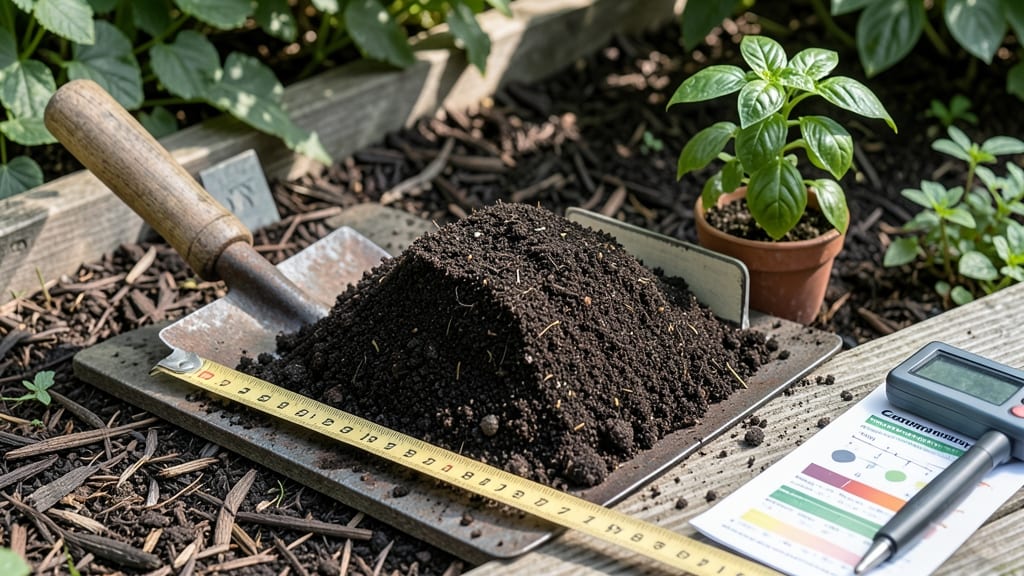
Understanding how much 1 yard of soil weighs helps with project planning, as it typically ranges from 2,000 to 2,400 pounds, with variations based on moisture levels and soil composition.
Soil weight fluctuates dramatically based on its moisture content and how tightly packed it is. 🌱 For example, dry, sandy soil might weigh closer to 2,000 pounds per cubic yard, while clay-heavy or wet soil can push past 2,700 pounds—this is why gardeners often adjust their wheelbarrow loads based on the season.
The science behind this lies in soil porosity: loamy soil (a balanced mix of sand, silt, and clay) usually falls in the middle range, while organic-rich compost can add even more weight due to its water-retention properties.
When calculating for projects like raised beds or large-scale landscaping, I recommend checking moisture levels first. A simple test is to squeeze a handful—if it holds its shape, it's likely on the heavier side.
For delivery purposes, most suppliers use the 2,200-pound average as a baseline, but always confirm with your vendor, especially if you're dealing with amended mixes or potting soil that may contain additional organic matter.
💡 In This Article
- How Soil Density and Moisture Affect Weight per Cubic Yard
- Practical Weight Estimates for Gardening and Landscaping Projects
How soil density and moisture affect weight per cubic yard
Soil weight varies dramatically because it's not just dirt—it's a complex mix of minerals, organic matter, water, and air pockets.
The density difference between sand and clay is staggering: sandy soil has large particles with high porosity, weighing about 1,600-2,000 pounds per cubic yard when dry, while clay soil packs tightly with tiny particles, reaching 2,400-2,700 pounds when saturated.
Loam (the ideal gardening soil) falls in between at 2,000-2,200 pounds due to its balanced particle distribution.
The moisture factor is critical—water accounts for 25-50% of soil weight in natural conditions. A cubic yard of dry soil might weigh 2,000 pounds, but after rain, that same volume can swell to 2,500 pounds or more.
This is why spring planting often requires heavier equipment—wet soil's increased weight can exceed 2,700 pounds per cubic yard in clay-heavy areas. The science here involves specific gravity: water's density (62.4 pounds per cubic foot) adds significant mass when absorbed into soil pores.
Compaction plays a hidden role too. Foot traffic or machinery can reduce pore space by 30-50%, increasing weight. For example, a compacted clay soil might measure 2,600 pounds per cubic yard compared to its loose state at 2,200 pounds.
This explains why construction sites often specify "loose fill" soil—it's lighter to transport and easier to work with. The key takeaway is that soil isn't static: its weight fluctuates like a living system responding to environmental conditions.
Organic content adds another layer. Compost-amended soil can weigh 10-20% more than mineral soil due to decomposed plant matter's water-holding capacity. For instance, a 50% compost blend might tip the scales to 2,500 pounds per cubic yard even when "dry," because organic matter retains moisture longer.
This is why potting mixes feel heavier than garden soil—they're designed to hold water for plant roots, increasing overall density.
Here's how these factors interact in real scenarios:
- Dry sandy soil: 1,600-2,000 lbs/yd³ (ideal for drainage projects)
- Moist loam: 2,200-2,400 lbs/yd³ (common gardening soil)
- Wet clay: 2,500-2,700+ lbs/yd³ (requires heavy equipment)
- Compost blend: 2,300-2,600 lbs/yd³ (higher organic content)
Understanding these variations helps avoid overloading wheelbarrows or misjudging project requirements. For precise calculations, always test your specific soil type—what works for sandy soil in Arizona won't apply to clay-heavy Midwest gardens. 🌱