
How To
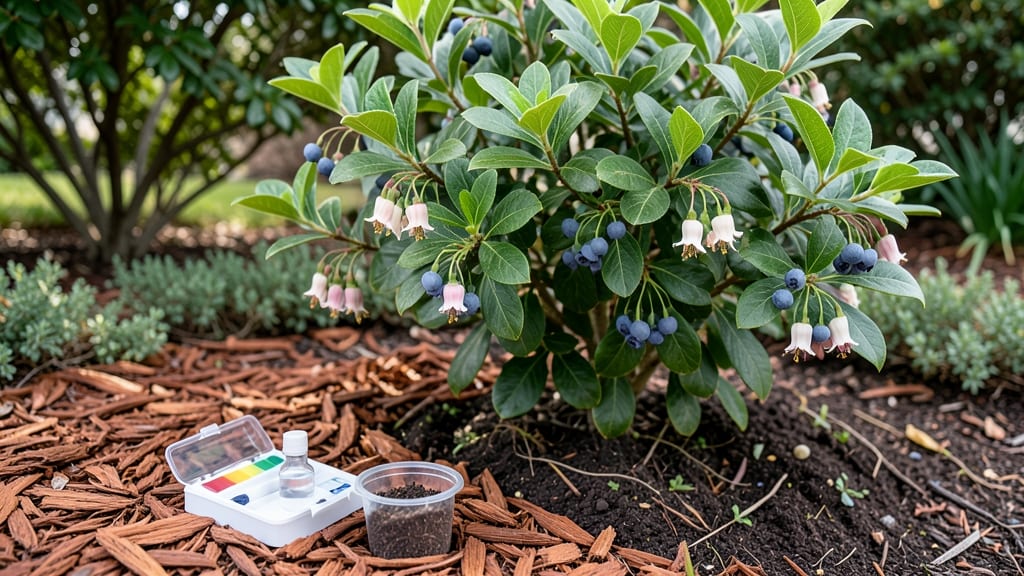
Acidic soil color appears reddish-brown or yellowish due to iron oxide buildup and organic matter breakdown, signaling low pH levels that favor plants like blueberries, azaleas, and rhododendrons. Test with a pH kit or vinegar/baking soda to confirm before adjusting with sulfur or peat moss.
The reddish-brown or yellowish tint you see in acidic soil comes from iron compounds reacting with low pH levels. 🌱 This discoloration isn't just visual—it's a clear sign your soil supports acid-loving plants while potentially locking out nutrients for others.
For example, the same soil that thrives with blueberries might struggle to grow tomatoes unless you make amendments. The key is understanding how to test this properly before making changes, since over-adjusting can create new problems for your garden ecosystem.
When testing, I always recommend starting with a simple pH test kit (available at garden centers) for an accurate reading. The vinegar/baking soda method gives you a quick visual clue, but it's less precise.
Once you confirm acidity, you can adjust using organic options like sulfur or pine needles, which lower pH gradually over time. Remember that some plants, like hydrangeas, actually change flower color based on soil acidity—making this knowledge especially valuable for ornamental gardens.
💡 In This Article
- What Causes Acidic Soil’s Distinct Reddish or Yellowish Hue?
- Step-by-Step Guide to Testing and Adjusting Acidic Soil pH
What causes acidic soil’s distinct reddish or yellowish hue?
The reddish-brown or yellowish tones in acidic soil come from iron oxidation in low pH conditions. When soil pH drops below 6.0, iron (Fe) in the soil reacts with oxygen and water, forming iron oxides like hematite (red) or limonite (yellow).
These compounds coat soil particles, creating that signature discoloration. Think of it like rust forming on metal—just on a microscopic scale throughout your garden bed. 🔥
Organic acids from decomposed plant matter also play a role. As leaves, needles, and other organic debris break down, they release compounds like humic and fulvic acids that lower pH further.
These acids not only darken the soil but also chelate (bind to) iron and other minerals, making them more available to acid-loving plants. For example, pine forests naturally produce acidic soils with pH levels as low as 4.0-5.0, where you’ll see that characteristic reddish-brown hue from iron-rich bedrock weathering.
Microbial activity intensifies this process. Soil bacteria and fungi thrive in acidic conditions, producing metabolic byproducts that further acidify the environment. These microbes also break down organic matter more efficiently in low pH, accelerating the release of iron and other minerals.
The result? A self-perpetuating cycle where the soil stays acidic, maintains its distinctive color, and continues supporting plants adapted to these conditions like blueberries or azaleas.
What most gardeners don’t realize is how this color directly reflects nutrient availability. The same iron oxides that create the reddish-brown tint also make phosphorus less available to plants that prefer neutral or alkaline soils.
This is why you might see lush blueberry bushes thriving in the same soil where tomatoes struggle—it’s not just about acidity, but the specific mineral chemistry tied to that color. 🌱
Consider the visual spectrum: Soils with pH 5.0 often appear darker brown or nearly black due to high organic content, while those between 5.5-6.5 show the classic reddish or yellowish hues from iron oxidation.
The transition zone (around 6.0-6.5) can look almost orange, where iron oxides mix with organic matter. This color gradient gives you a quick visual guide to soil acidity without testing—though precise measurements are still essential for making adjustments.