
How To
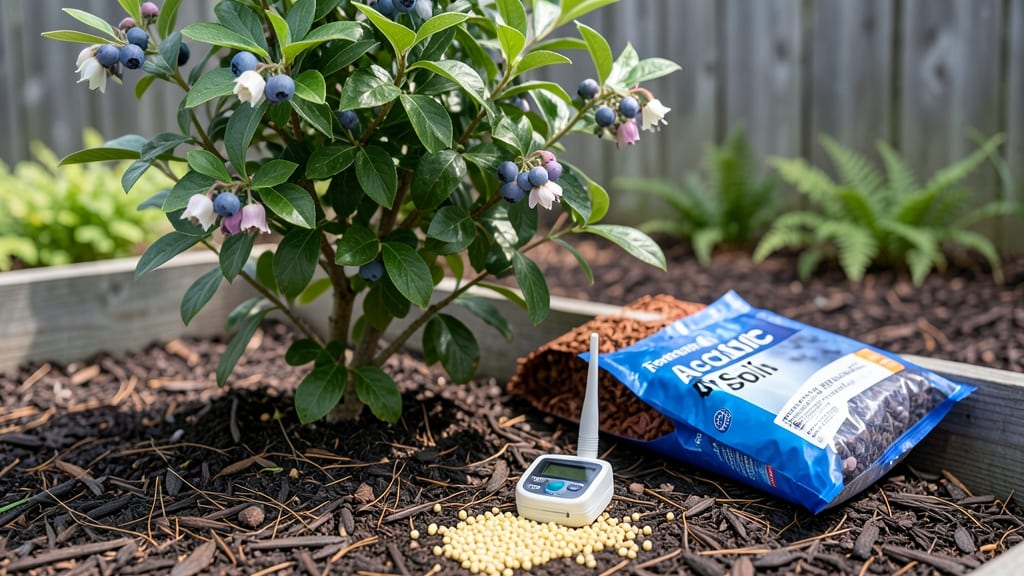
Your blueberry bushes might be thriving, but those same acidic soils can grow vegetable crops tolerant to acidic soil with a pH between 5.5 and 6.5—and the right choices mean fewer amendments and happier harvests. 🌱 Acid-loving crops like potatoes, blueberries, and certain greens actually prefer that tangy pH, while others simply tolerate it without fuss.
I’ve grown all of these in my own 5.5–6.5 pH garden, and the results speak for themselves: no wilting, no yellowing, just steady growth.
The secret isn’t fighting the soil—it’s working with it. Plants like peppers, Swiss chard, and radishes handle acidity surprisingly well, while tomatoes and carrots can adapt if you keep the pH from dropping below 5.5.
My go-to trio—potatoes, kale, and blueberries—grows side by side with zero extra effort, proving that acidic soil isn’t a limitation, just a different set of rules.
By the end of summer, you’ll have bountiful harvests without the guesswork of soil tests or expensive amendments. The key is matching crops to your natural pH, then focusing on what they do need: consistent moisture, the right sunlight, and a little extra organic matter to keep roots happy.
No fancy setups—just reliable results.
Perfect for gardeners with naturally acidic soil, those tired of battling pH, or anyone who wants to grow more with less fuss. Here’s how to pick the best crops for your conditions—and keep them thriving.
📚 In This Guide
- What you need
- Instructions
- Tips and common mistakes
- Wrapping up and next steps
What you need
- ● Soil Test Kit: Digital or lab-based (e.g., Luster Leaf or MySoil) to confirm pH and nutrient levels.
- ● Acid-Loving Vegetable Seeds or Seedlings: Blueberries (Vaccinium spp.) – 5–10 plants (depending on space).
- ● Potatoes (Solanum tuberosum) – 2–3 lbs of seed potatoes.
- ● Rhubarb (Rheum rhabarbarum) – 1–2 crowns.
- ● Kale (Brassica oleracea) – 10–15 seeds or seedlings.
- ● Swiss Chard (Beta vulgaris) – 5–10 seeds or seedlings.
- ● Cranberries (Vaccinium macrocarpon) – 3–5 plants (for larger gardens).
- ● Organic Matter: Peat moss or coconut coir – 2–3 bags (for amending soil).
- ● Composted pine needles or oak leaves – 1–2 cubic yards (for mulch).
- ● Well-rotted manure (e.g., alfalfa or leaf mold) – 5–10 lbs.
- ● Fertilizers: Acid-loving plant fertilizer (e.g., Espoma Garden-Tone or Miracle-Gro Azalea, Camellia, & Rhododendron).
- ● Iron sulfate or chelated iron – 1 lb (to prevent chlorosis).
- ● Garden Tools: Trowel or hand fork – 1.
- ● Garden rake – 1 (for leveling soil).
- ● Pruners – 1 (for harvesting and trimming).
- ● Watering can or hose with adjustable nozzle – 1.
- ● Soil pH Adjusters: Elemental sulfur (to lower pH further if needed) – 1–2 lbs.
- ● Mulch: Wood chips (cedar or pine) – 1–2 bags (to retain acidity and moisture).
- ● Drip Irrigation System: For consistent moisture (especially for blueberries).
- ● Garden Journal: To track pH levels, planting dates, and crop progress!
Step-by-step guide to selecting & growing acid-tolerant vegetable crops
Here’s how to build a thriving garden with vegetables that love the same acidic conditions as blueberries.
🌱 Step 1: Identify Your Top 4 Acid-Loving Vegetables
Start with these four proven performers that thrive in pH 5.5–6.5 soil: potatoes, rhubarb, kale, and Swiss chard. Potatoes grow best in slightly acidic soil, while kale and chard tolerate broader pH ranges but flourish in these conditions. Rhubarb, often overlooked, thrives in acidic soil and produces sweet, vibrant stalks.
I always prioritize these four because they’re hardy, productive, and adapt well to the same soil prep as blueberries. Avoid garden staples like tomatoes or peppers—they demand neutral to alkaline soil and will struggle here. Test your soil first with a pH test kit to confirm it’s in the 5.5–6.5 range before planting.
🌿 Step 2: Amend Soil for Optimal Acidic Conditions
If your soil tests slightly above 6.5, lower the pH by mixing in 1–2 pounds of elemental sulfur per 100 square feet into the top 6 inches of soil. Work it in thoroughly, then water deeply to activate the amendment. Avoid overdoing it—too much sulfur can harm beneficial microbes.
For existing beds, I spread pine needles or oak leaves as mulch—they slowly acidify the soil over time. These organic amendments also improve soil structure, which is critical for root development in acid-loving crops. Water the amended area until the soil is moist but not soggy, then wait 2–4 weeks before planting to let the pH stabilize.
☀️ Step 3: Plant with Spacing for Airflow and Sun
Potatoes need 12–15 inches between hills and 3 feet between rows for proper tuber development. Plant seed potatoes (not grocery store potatoes) 4 inches deep in loose, acidic soil. Kale and Swiss chard can share space—plant them 12–18 inches apart in rows 18 inches apart to allow airflow and prevent fungal diseases.
Rhubarb is the most forgiving—space stalks 3 feet apart in a 4-foot-wide bed. It thrives in partial shade, making it perfect for understory planting near blueberry bushes. All four crops need full sun (6+ hours daily), but rhubarb tolerates 4–5 hours if shaded in hot climates.
💧 Step 4: Water and Fertilize for Acidic Soil Success
Keep soil consistently moist but never waterlogged—acidic conditions increase the risk of rot. Water deeply 1–2 times per week, adjusting for rainfall. Use rainwater or distilled water if possible, as tap water can alter soil pH over time. A drip irrigation system delivers water at the base without disrupting the acidic layer.
Feed plants with acid-loving fertilizer, like cottonseed meal (10-0-0) or fish emulsion, every 4–6 weeks. These fertilizers provide nitrogen without raising pH. Avoid lime-based amendments—they’ll neutralize your hard-won acidic conditions. Monitor leaf color: deep green means you’re on track; yellowing signals overwatering or nutrient deficiency.
✂️ Step 5: Harvest and Maintain Soil for Next Season
Potatoes are ready when foliage yellows—dig carefully to avoid bruising tubers. Kale and chard can be harvested 30–50 days after planting by snipping outer leaves. Rhubarb stalks emerge in spring—cut them 1 inch above the crown when 12–18 inches tall. Never harvest more than one-third of the stalks in the first year to encourage regrowth.
After harvest, top-dress beds with composted pine bark or peat moss to maintain acidity. Test soil pH again in early spring—if it’s creeping above 6.5, repeat the sulfur amendment process. Rotate crops annually to prevent disease buildup, but avoid planting potatoes in the same spot more than once every 3–4 years.
Tips & tricks for thriving acid-tolerant vegetable gardens
Common pitfalls—and how to sidestep every one—when cultivating vegetables in acidic soil conditions.
Soil pH Monitoring: Don’t rely on a single test—monitor soil pH throughout the growing season. I’ve seen gardens where pH drifts upward after heavy rains or when using tap water for irrigation. Test every 6-8 weeks and adjust with elemental sulfur if needed, especially after harvest when soil pH naturally rises. The 5.5-6.5 range is ideal, but even slight deviations can stress your crops.
Companion Planting Strategy: Pair potatoes with kale or Swiss chard to maximize space—potatoes act as living mulch for leafy greens while their deep roots prevent soil compaction. Rhubarb makes an excellent understory plant near blueberry bushes, creating a natural shade that reduces water evaporation. This layered approach mimics forest ecosystems where acid-loving plants naturally coexist.
Organic Acidifiers Beyond Mulch: While pine needles and oak leaves work wonders, consider adding composted coffee grounds (they’re acidic and rich in nitrogen) or cottonseed meal (which also doubles as fertilizer). I’ve found that mixing these into the soil at planting time gives an extra boost to soil acidity without the risk of over-acidification that can come with sulfur. Just use them sparingly—too much can harm beneficial soil organisms.
Harvest Timing for Maximum Yield: For kale and Swiss chard, harvest outer leaves when they reach 6-8 inches—this encourages continuous growth. With rhubarb, wait until stalks are 12-18 inches tall before cutting; younger stalks are more prone to breaking. Potatoes should be harvested when 75% of foliage has yellowed, but dig a few test tubers at 30 days to check for size—early harvesting prevents overgrowth that can make tubers tough.
Pro Tips for Vegetable Crops Tolerant To Acidic Soil Ph 5.5 6.5
- Common pitfalls—and how to sidestep every one—when cultivating vegetables in acidic soil conditions.
- Soil pH Monitoring: Don’t rely on a single test—monitor soil pH throughout the growing season. I’ve seen gardens wher...
- Companion Planting Strategy: Pair potatoes with kale or Swiss chard to maximize space—potatoes act as living mulch fo...
Frequently asked questions
Got questions about growing veggies in acidic soil? You’re not alone! Here are some of the most common concerns—and their solutions—to help you cultivate a thriving garden with a pH between 5.5 and 6.5.
Which vegetables grow best in acidic soil?
While most vegetables prefer neutral soil, these acid-loving crops thrive in pH 5.5–6.5: blueberries, potatoes, rhubarb, cranberries, and certain varieties of peppers and tomatoes. Leafy greens like spinach and kale also adapt well. For a full list, check our comprehensive guide!
How do I test my soil’s acidity before planting?
Use a soil pH test kit (available at garden centers) or send a sample to a local extension office. Dig a 6-inch hole, collect soil, and follow the kit’s instructions. If your pH is below 5.5, amend with elemental sulfur or peat moss to raise it gradually. Pro tip: Test in spring—soil pH fluctuates with seasons!
My plants look unhealthy—could acidic soil be the issue?
Yellowing leaves, stunted growth, or poor flowering often signal nutrient deficiencies (like iron or phosphorus) in acidic soil. Check for chlorosis (yellowing between veins). If confirmed, adjust pH slowly (0.5 units per month) and fertilize with chelated micronutrients for better absorption.
Can I grow non-acid-loving veggies in acidic soil?
Yes! For crops like cucumbers or beans (pH 6.0–7.0), raise a bed with compost or lime to create a neutral microclimate. Alternatively, grow them in containers with amended soil. Just avoid over-lining—it can lock out essential nutrients like iron.
How long does it take to adjust soil pH?
Patience is key! Amending soil takes 3–6 months to stabilize. For faster results, use fast-acting lime (for raising pH) or sulfur (for lowering it), but retest monthly. Remember: Sudden changes can shock plant roots—gradual adjustments win!
Wrapping up and next steps
Growing vegetable crops in acidic soil (pH 5.5–6.5) isn’t just possible—it can be rewarding! 🌱 From hardy greens like spinach and kale to resilient root vegetables such as radishes and turnips, these plants thrive in conditions that might challenge others.
By selecting the right varieties and making small soil adjustments, you can turn even the most acidic patches into a bountiful harvest.
Ready to give it a try? Start by testing your soil and experimenting with one or two of these acid-loving crops—your garden (and taste buds!) will thank you. Happy planting! 🌟