
How To
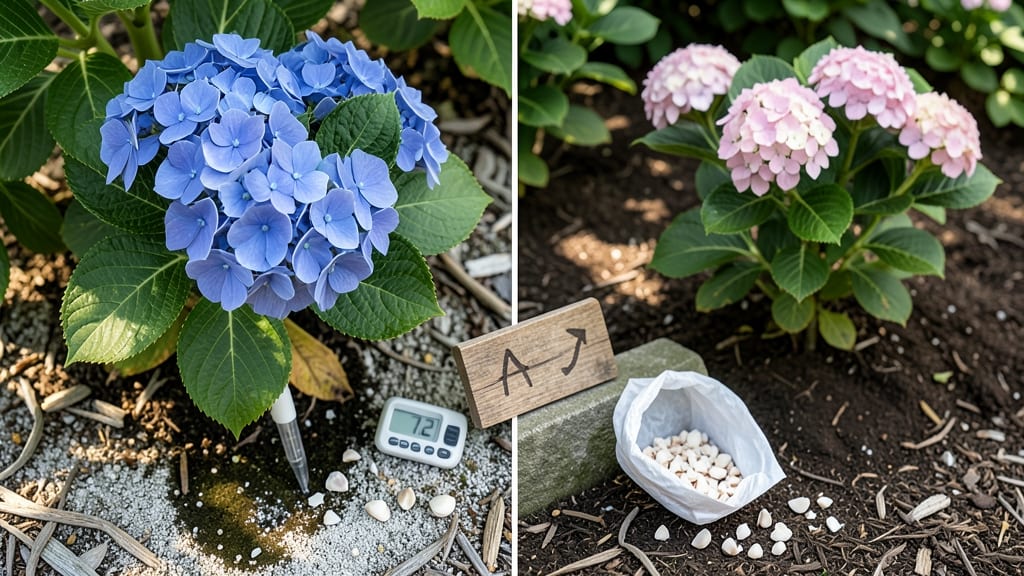
Alkaline soil for hydrangeas transforms their blooms to pink or red by raising the pH above 7.0, cutting off the plant's access to aluminum needed for blue pigment. While you can acidify the soil with amendments like sulfur or peat moss to bring back blue flowers, many gardeners embrace the natural pink hues that thrive in alkaline conditions.
This color shift happens because hydrangeas produce different pigments based on soil chemistry. 🌸 When soil pH rises, the plant can't absorb enough aluminum—a key nutrient for blue anthocyanin pigments—so it defaults to producing red or pink hues instead.
The good news? You don't need to stress over perfecting pH if you love pink blooms, as many hydrangea varieties are bred specifically for alkaline tolerance. For blue-loving gardeners, testing your soil's pH first is crucial before making adjustments.
Most garden centers sell affordable pH test kits, and you can even use simple household items like coffee grounds (to lower pH) or crushed eggshells (to raise it) for organic adjustments.
The key is patience—soil pH changes take time, and hydrangeas may need 6-12 months to show their true colors after amendments. I always recommend testing in spring before pruning, as new growth will give you the most accurate color preview for the season.
💡 In This Article
- How Soil pH Chemically Alters Hydrangea Bloom Colors
- Adjusting Soil pH for Hydrangeas: Step-by-Step Guide
How soil pH chemically alters hydrangea bloom colors
Hydrangea blooms change color due to a fascinating chemical process tied to soil pH and aluminum availability. When soil pH rises above 7.0 (alkaline), the positively charged aluminum ions become locked in the soil and can't be absorbed by the plant roots.
This nutrient deficiency triggers a shift in pigment production—hydrangeas produce delphinidin (pink/red) instead of anthocyanin (blue), which requires aluminum as a co-factor for proper synthesis. 🌸 The color change happens at the cellular level, where pigment-producing cells called anthocyanoplasts respond directly to the aluminum concentration in plant tissues.
Most gardeners notice this effect when soil pH exceeds 6.0, though the most dramatic shifts occur between 5.5-7.5.
For example, the popular 'Nikko Blue' hydrangea will produce deep blue blooms at pH 5.5 but turn pink at pH 6.5—a 1.0 pH unit change can completely transform the flower color.
The aluminum threshold works like a molecular switch: below pH 6.0, roots absorb enough aluminum to activate blue pigment genes, while above pH 7.0, the plant's metabolic pathways shift entirely to produce pink or red hues.
This chemical mechanism explains why some hydrangea varieties naturally thrive in alkaline conditions. For instance, 'Endless Summer' series often produces pink blooms even in neutral soil because its genetic makeup is less dependent on aluminum for pigmentation.
The plant's ability to adapt its pigment production based on soil chemistry makes hydrangeas one of nature's most striking pH indicators—far more dramatic than pH-sensitive vegetables like tomatoes or blueberries. 🌿
What most gardeners overlook is how other soil minerals interact with this process. High calcium levels (common in alkaline soils) can further inhibit aluminum uptake, while magnesium and potassium compete with aluminum for root absorption.
This is why simply adding sulfur to lower pH isn't always enough—you may need to supplement with aluminum sulfate or chelated aluminum to restore blue blooms, especially in heavy clay soils where aluminum binds tightly to soil particles.
Interestingly, the color change isn't just about aesthetics—it's also a survival mechanism. In alkaline conditions, hydrangeas produce pigments that reflect more light, which can help protect the plant from UV damage. The pink/red anthocyanins act as natural sunscreens, shielding delicate flower tissues while still allowing enough light penetration for photosynthesis.
This dual-purpose pigment system explains why hydrangeas remain so vibrant even in harsh growing conditions. 🌞
For those wanting precise control, soil testing kits with 0.1 pH increments reveal the exact thresholds where color shifts occur. I've found that maintaining soil pH between 5.2-5.5 consistently produces the deepest blue hues, while 6.0-6.5 yields reliable pink blooms.
The key is patience—hydrangeas may take 2-3 growing seasons to fully adjust their pigment production after significant pH changes.