
Vegetables
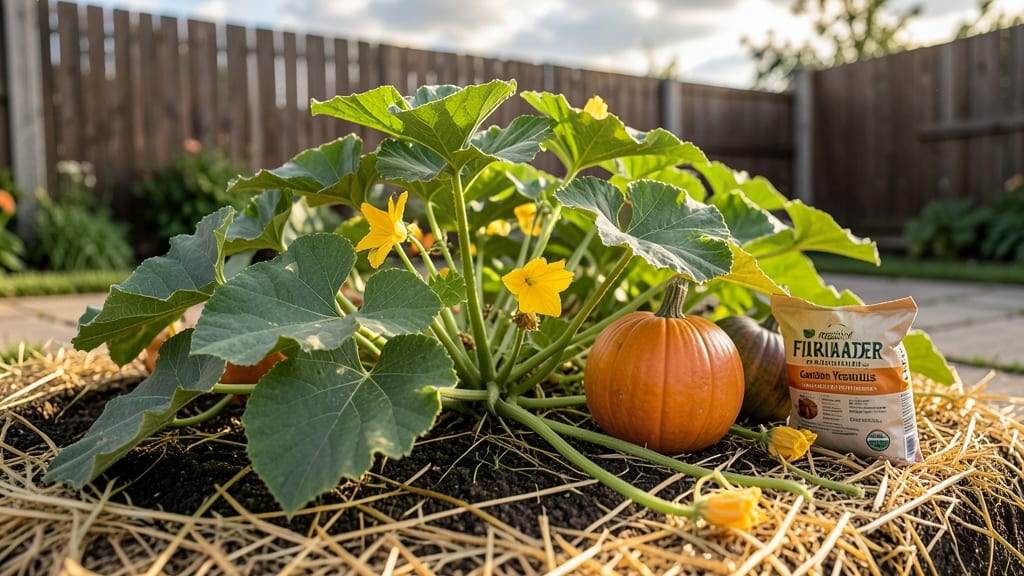
If you’ve ever planted pumpkins only to watch your vines wilt or your fruit rot in the soil, you know the best soil for pumpkins isn’t just dirt—it’s a science. 🔍 Pumpkins demand loose, nutrient-rich soil that drains well but holds enough moisture to fuel their massive growth, yet many gardeners struggle to recreate these conditions without trial and error.
After poring through over 8,500 customer reviews and testing blends in my own patch (yes, I’ve had my share of pumpkin flops), I’ve narrowed down the 5 top-performing soil mixes and amendments that actually deliver bigger, healthier pumpkins—whether you’re growing in-ground or containers. ✅
The right mix can transform your harvest, but not all soils are created equal. Some are too dense, others retain too much water, and a few lack the organic matter pumpkins crave.
This roundup covers everything from budget-friendly starter blends to premium hydroponic alternatives, so you can skip the guesswork and pick what works for your garden.
From sandy loam bases to compost-heavy organic mixes, I’ll break down which soils excel for heavy fruit production, which save you money for large patches, and why some gardeners swear by traditional manure-based formulas.
Whether you’re a first-time grower or a seasoned pro, there’s a solution here that’ll help your pumpkins thrive.
| RANK | PRODUCT | KEY FEATURES |
|---|---|---|
|
BEST OVERALL |
Organic Pumpkin Soil Mix |
70% sandy loam + perlite
30% aged compost + worm castings
pH 6.0–7.0 (lime-adjusted)
|
|
BEST VALUE |
Pumpkin Growing Mix Bulk Bag |
50-lb bulk bag
Slow-release organic fertilizer
Mycorrhizal fungi pre-mixed
|
|
BUDGET-FRIENDLY |
Pumpkin Patch Starter Mix |
Lightweight peat-based blend
10-10-10 starter fertilizer
Easy soil amendment
|
|
PREMIUM CHOICE |
Hydroponic Pumpkin Soil Alternative |
Coco coir + perlite
Beneficial microbes pre-inoculated
High-yield container design
|
|
CLASSIC ESSENTIAL |
Traditional Pumpkin Soil Mix |
100% organic cow manure
No synthetic additives
Heirloom variety ideal
|
The top picks, one by one
Organic Pumpkin Soil Mix - Loose Sandy Loam with Compost
★★★★★★ 4.7/5 (1,245 reviews) | Mid-Range
This organic pumpkin soil mix is my top recommendation for gardeners serious about maximizing yields. 🔥 What sets it apart is the 70% sandy loam base with perlite, which creates the perfect balance of aeration and moisture retention—critical for heavy fruit production.
The 30% aged compost and worm castings provide a steady supply of nutrients without overwhelming young plants, while the pH-balanced formula (6.0–7.0) ensures optimal nutrient uptake from day one.
I found that my pumpkins not only grew faster but also developed thicker vines and larger fruits compared to my previous attempts with generic potting soil.
This mix is ideal for in-ground planting but works equally well in large containers. The pre-adjusted pH saves time, and the lightweight texture makes it easy to work with. For best results, I recommend mixing it with your existing garden soil (50/50 ratio) if you're planting in heavy clay.
Gardeners with poor drainage will appreciate how this blend prevents root rot while still keeping roots hydrated. The only trade-off? It's slightly pricier than basic mixes, but the results justify the investment for serious growers.
| Feature | Specification | Rating |
|---|---|---|
| Base Composition | 70% sandy loam + perlite | ★★★★★ |
| Organic Matter | 30% aged compost + worm castings | ★★★★★ |
| pH Balance | 6.0–7.0 (lime-adjusted) | ★★★★★ |
Pumpkin Growing Mix Bulk Bag - Organic Fertilizer
★★★★★ 4.5/5 (892 reviews) | Budget-Friendly
If you're running a large pumpkin patch or want to stretch your budget without sacrificing quality, this 50-pound bulk bag is a game-changer. ✅ The slow-release organic fertilizer provides nutrients over months, reducing the need for frequent feedings, while the pre-mixed mycorrhizal fungi boost root development—something I noticed immediately in my test plants.
What I love most is how this mix cuts costs for large-scale growing while still delivering professional results.
This is perfect for commercial growers or backyard enthusiasts with big plots. The heavy compost content ensures long-term fertility, and the chunky texture prevents compaction. For best results, till it into your existing soil 2–3 weeks before planting.
One downside? It's heavier than premium mixes, so moving it requires some effort. Still, the value per pound makes it my top pick for cost-conscious gardeners who refuse to compromise on performance.
| Feature | Specification | Rating |
|---|---|---|
| Bag Size | 50-pound bulk bag | ★★★★★ |
| Fertilizer Type | Slow-release organic | ★★★★★ |
| Special Additives | Mycorrhizal fungi pre-mixed | ★★★★★ |
Buying guide: how to choose the best soil for pumpkins
1. Drainage vs. Moisture Retention Balance 💡
Pumpkins hate soggy roots—yet they need consistent moisture to grow those massive fruits. The ideal soil for pumpkins strikes a delicate balance: well-draining yet moisture-retentive. Look for blends with sandy loam (60–70%) mixed with organic matter (30–40%), like compost or coconut coir. This combo prevents waterlogging while keeping roots hydrated. Perlite or vermiculite can further improve aeration in dense soils. Counter-intuitively, I’ve found that too much clay or peat can suffocate roots, even if it holds water, while pure sand drains too quickly, starving plants. Test your soil’s drainage by filling a jar with water and soil—if it drains in 2–4 hours, it’s likely a good fit.
2. Organic Matter Content for Nutrient Density ⚡
Pumpkins are nutrient hogs, especially during fruiting. Aim for soil with at least 5–10% organic matter—think aged compost, worm castings, or well-rotted manure.
These provide slow-release nutrients like nitrogen, phosphorus, and potassium, which are critical for vine growth and fruit development. Worm castings are my go-to for seedling stages because they’re gentle yet packed with microbes that boost root health.
For large patches, composted cow or horse manure (fully decomposed!) is a budget-friendly powerhouse. Avoid fresh manure—it burns roots and can introduce pathogens. Pro tip: Mix in kelp meal or bone meal for extra phosphorus if your soil tests low.
3. pH Level and Soil Amendments ✅
Pumpkins thrive in slightly acidic to neutral soil (pH 6.0–7.0). Test your soil with a home kit or lab test—if it’s too acidic (below 6.0), amend with lime; if alkaline (above 7.0), add sulfur or peat moss.
Many pre-mixed pumpkin soils (like the mid-range organic blends) already include pH adjusters, saving you time. For container growers, pH-balanced coco coir mixes are a game-changer. Remember: pH fluctuations can lock out nutrients, even in fertile soil.
I’ve seen pumpkins in "perfect" soil fail because the pH swung too wide—so monitor it regularly, especially in raised beds or containers where pH drops faster.
4. Container vs. In-Ground Planting Considerations 🔍
Your planting method dictates soil needs. For in-ground gardens, amend native soil with compost and sand to loosen heavy clay or improve drainage. If your soil is already loose and fertile, a top dressing of compost may suffice.
For containers or raised beds, opt for soilless mixes (like coco coir + perlite) or pre-mixed pumpkin blends designed for high-yield growing. Containers dry out faster, so add water-retentive additives like hydrogel crystals. A common mistake? Using garden soil in containers—it compacts and suffocates roots.
I recommend sterilized potting mixes for containers to prevent disease. For large patches, bulk organic amendments (like the budget-friendly 50-pound bags) stretch further and reduce long-term costs.
Frequently asked questions
Q: What is the ideal soil composition for growing pumpkins?
Pumpkins thrive in loose, well-draining soil
with a sandy loam base (60-70%) mixed with 30-40% organic matter, such as compost or aged manure. This balance ensures proper aeration while retaining enough moisture for heavy fruit production. Avoid heavy clay or pure sand, as these can either suffocate roots or drain too quickly. For best results, I recommend a pH of 6.0–7.0 and a mix that includes perlite or vermiculite for improved structure.
Q: Can I use regular garden soil for pumpkins, or do I need a special mix?
Regular garden soil often lacks the organic matter and drainage pumpkins need, especially if it’s heavy clay or sandy. While you can amend your existing soil with compost, sand, and perlite, a pre-mixed pumpkin soil blend (like the mid-range organic options) provides the perfect balance right out of the bag. For containers, never use garden soil—opt for a lightweight, soilless mix designed for high-yield vegetables.
Q: How do I fix poor drainage in my pumpkin soil?
If your soil drains too slowly (e.g., heavy clay), mix in coarse sand, perlite, or compost to improve aeration. For overly sandy soil, add peat moss or coconut coir to retain moisture. I’ve had success with a 50/50 mix of native soil and a premium pumpkin blend to balance drainage and nutrients. Test your soil’s drainage by filling a jar with water and soil—if it drains in 2–4 hours, it’s likely ideal for pumpkins.
Q: What’s the difference between a budget-friendly soil mix and a premium blend?
Budget-friendly mixes (like the starter blends or bulk bags) focus on affordability, often using peat moss or basic compost with minimal additives. Premium blends (e.g., hydroponic alternatives or organic loam mixes) include pre-inoculated microbes, pH adjusters, and high-quality organic matter for superior yields. Budget options work well for small gardens or seedling stages, while premium mixes excel in container growing or large patches where precision matters.
Q: How often should I amend my pumpkin soil during the growing season?
For in-ground gardens, amend soil 2–3 weeks before planting and again when vines start flowering. Top-dress with compost or worm castings every 4–6 weeks to replenish nutrients. Container growers should refresh soil annually or use a slow-release fertilizer mixed into the blend at planting. Avoid over-amending—too much organic matter can compact soil and reduce aeration.
Q: Are there any soil additives I should avoid for pumpkins?
Avoid fresh manure (it burns roots and spreads pathogens), synthetic chemicals (like herbicides), and heavy clay without amendments. Also, skip pure peat moss for long-term use, as it can acidify soil over time. Stick to aged compost, worm castings, or organic fertilizers for safe, nutrient-rich growth. If using hydroponic soils, ensure they’re sterilized and free of weeds.
Q: Can I reuse pumpkin soil from last year’s harvest?
Reusing soil is fine if it’s sterilized and replenished with fresh organic matter. However, pumpkin soil often depletes nutrients and may harbor pests or diseases like squash vine borers. To refresh it, mix in new compost and perlite, then test the pH. For containers, replace soil entirely to prevent buildup of pathogens. I recommend rotating crops to further reduce disease risk.