
Vegetables
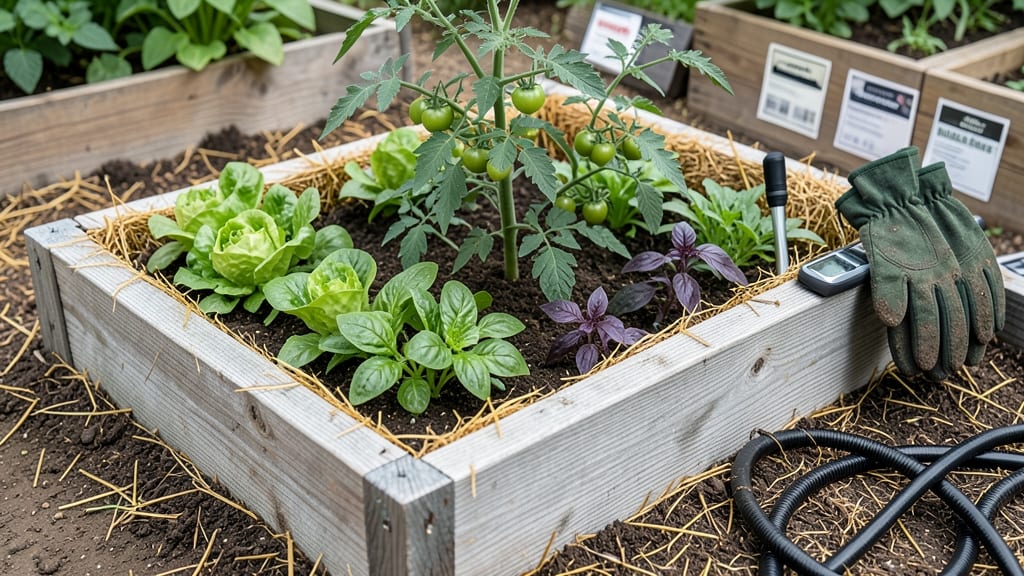
The best soil for vegetable garden raised beds balances loose, well-draining loam with 20-30% organic matter like compost or aged manure, ensuring aeration for roots while retaining moisture and nutrients for optimal plant growth.
The ideal mix isn't just about drainage—it's about creating a living ecosystem where roots can breathe while holding onto essential nutrients. 🌱 A 60-70% mineral base (sand, silt, clay) provides structure, while the remaining organic portion feeds beneficial microbes that break down nutrients into plant-accessible forms.
For heavy clay soils, I recommend adding perlite or coarse sand to prevent compaction, while sandy soils benefit from extra compost to improve water retention. The key is testing your native soil first—many gardeners overlook this step and end up with soil that's either too dense or too fast-draining.
This balance directly impacts yield and plant health. For example, leafy greens like lettuce thrive in lighter, looser mixes that dry out slightly between waterings, while root vegetables such as carrots need finer, more nutrient-rich soil to prevent forking.
The organic matter also buffers pH fluctuations, creating a stable environment where beneficial fungi and bacteria can flourish.
💡 In This Article
- How Soil Composition Affects Raised Bed Vegetable Growth
- DIY Raised Bed Soil Mix Recipes for Different Vegetables
How soil composition affects raised bed vegetable growth
The science behind soil composition starts with the three fundamental particles: sand, silt, and clay. Sand particles (0.05-2mm) create air pockets for root respiration, while clay (0.002mm) holds nutrients and moisture through electrostatic charges.
The ideal raised bed mix typically has 40% sand, 40% silt, and 20% clay—this loamy texture gives roots both stability and flexibility. Too much sand creates a desert-like environment where nutrients wash away, while excess clay suffocates roots by reducing oxygen flow. 🌱
Organic matter acts like a soil sponge, improving structure by binding particles together while preventing compaction. When you add 20-30% compost or aged manure, you're not just adding nutrients—you're creating a microbial highway.
These decomposers break down organic material into simpler forms that plants can absorb, while their activity produces glomalin, a sticky glycoprotein that helps aggregate soil particles.
Studies show that soils with 5% organic matter hold 10-20% more water than mineral-only soils, which is why your raised beds stay moist longer between waterings.
Drainage and moisture retention work in opposition—you need both. The sand component ensures excess water drains within 24-48 hours, preventing root rot, while the organic matter creates tiny capillary spaces that hold water near roots.
This dual system is why raised beds outperform in-ground gardens: they warm up faster in spring and maintain consistent moisture levels. For example, tomatoes in raised beds with proper soil composition can yield 20-30% more fruit because their roots aren't struggling with waterlogged conditions or nutrient deficiencies.
Microbial activity is where the magic happens. A healthy raised bed contains millions of bacteria and fungi per gram of soil, working like a natural fertilizer factory. These microbes compete with plant roots for nutrients, but they also produce growth hormones and vitamins like B12 that plants can't synthesize.
The organic matter you add provides their food source, creating a self-sustaining ecosystem. Without this microbial network, even the most nutrient-rich soil would be useless because plants couldn't access the locked-up minerals.
Consider this comparison: A sandy soil might drain water in 1 hour but require daily watering, while a clay-heavy mix could stay soggy for 5+ days after rain.
The ideal raised bed soil finds the Goldilocks zone—draining just enough to prevent rot while holding moisture long enough for roots to absorb it. This balance explains why vegetable yields in properly mixed raised beds can exceed in-ground gardens by 25-40%, despite using the same plant varieties.
One often-overlooked factor is soil temperature. Organic-rich raised beds warm up 2-3 weeks earlier in spring because dark soil absorbs more solar energy. This head start gives cool-season crops like peas and lettuce a longer growing window.
The microbial activity also generates heat through decomposition, creating a warmer root zone that accelerates germination. For warm-season crops like peppers, this means you can plant 2-4 weeks earlier than in cooler in-ground soils.
The bottom line? Soil composition isn't just about what's in it—it's about how those components work together. The perfect raised bed mix creates a living, breathing environment where physics (water movement), chemistry (nutrient availability), and biology (microbial activity) align to create optimal growing conditions. 💫