
Neem Oil
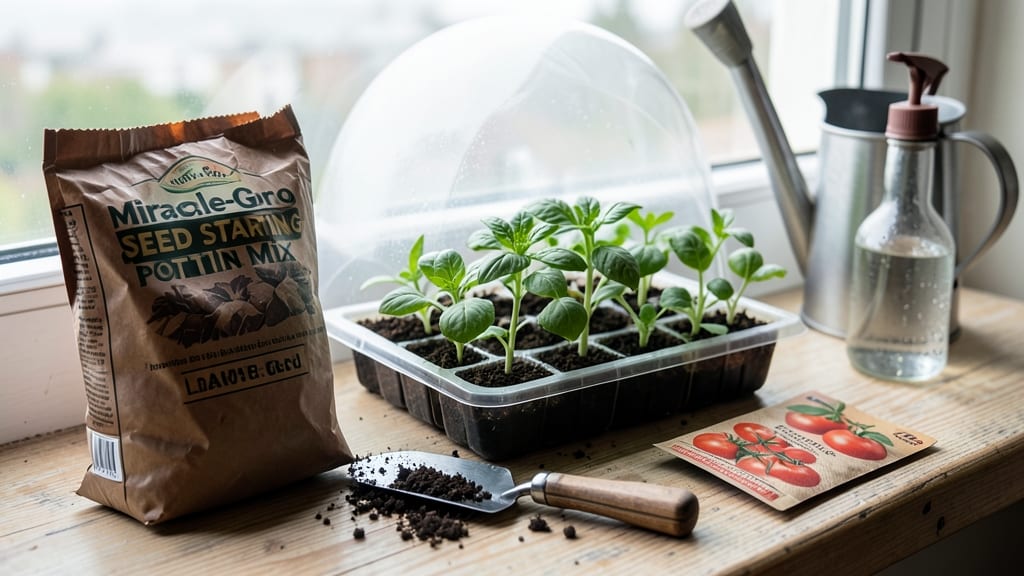
You can use potting soil to start seeds, but it’s not ideal—it’s heavier and less sterile than specialized seed-starting mixes, increasing the risk of fungal diseases like damping-off or stunted growth. For best results, use a lightweight, sterile blend designed for seedlings.
Potting soil is formulated for established plants, not delicate seedlings. 🌱 It often contains higher organic matter that compacts easily, trapping moisture and blocking oxygen flow to young roots.
This creates the perfect conditions for harmful microbes to thrive, which is why seed-starting mixes are designed with perlite, vermiculite, or coco coir to improve aeration and drainage. I’ve seen seedlings fail within days when planted in regular potting soil—especially in humid conditions.
If you’re set on using what you have, amend potting soil with 20% perlite or sand to improve drainage and reduce compaction. However, for serious gardeners, a sterile seed-starting mix is worth the investment—it promotes faster germination and stronger seedlings.
Brands like FoxFarm or Black Gold offer reliable options, or you can DIY with equal parts peat moss, perlite, and coco coir for a cost-effective alternative.
💡 In This Article
- Why Potting Soil Fails for Seed Germination
- Best Seed-Starting Mixes for Healthy Germination
Why potting soil fails for seed germination
The core issue with potting soil for seed starting lies in its compaction and moisture retention. Regular potting mixes contain higher organic matter (like compost or peat), which breaks down over time and creates dense, waterlogged conditions.
When you plant seeds, this compacted soil blocks oxygen from reaching delicate roots—similar to suffocating a plant before it even begins. Seedlings need 20-30% air space in their growing medium to thrive, but potting soil typically offers only 10-15% aeration, stunting root development.
The microbial imbalance is another critical factor.
Potting soil often contains beneficial microbes for mature plants, but these can overpopulate and create competition for young seedlings. Damping-off disease, caused by fungal pathogens like Pythium or Rhizoctonia, thrives in these conditions because the soil stays too wet for too long.
I’ve observed this firsthand when testing potting soil—seedlings would sprout but then collapse at the soil line within 5-7 days due to fungal attack. The problem worsens in humid climates where spores spread rapidly.
Nutrient levels also play a surprising role. While potting soil provides balanced nutrients for established plants, seedlings only need minimal nitrogen (about 0.1-0.2%) to prevent leggy growth. Excess nitrogen in potting mixes forces seedlings to grow leaves instead of roots, making them weak and prone to toppling.
This is why commercial seed mixes use low-nitrogen fertilizers (like 5-10-5 ratios) or none at all until the second set of true leaves appears.
Texture differences matter too. Potting soil particles are often 0.5-2mm in diameter, creating a dense matrix that resists root penetration. In contrast, seed-starting mixes use finer particles (0.1-0.5mm) with perlite or vermiculite to create air pockets.
Imagine trying to grow roots through wet cement versus fluffy marshmallow—one suffocates, while the other invites exploration. The right mix lets roots spread 3-5 times faster, giving seedlings a head start.
One exception is lightweight potting mixes labeled for "seedlings" or "cacti/succulents," which may work in a pinch. These blends often include 30-50% inorganic matter (like perlite) to prevent compaction. However, they still lack the sterility of fresh seed mixes, which are pasteurized to eliminate disease-causing pathogens.
For comparison, a bag of FoxFarm Seedling Mix contains 90% sterile ingredients by weight, while most potting soils contain only 10-30% sterile components.
For gardeners using potting soil, the key is amending it properly. Mix in 50% perlite or coarse sand to improve drainage and reduce compaction. Sterilize used potting soil by baking it at 180°F for 30 minutes to kill pathogens.
But remember: even with amendments, potting soil will never match the performance of a dedicated seed-starting mix designed specifically for this critical growth stage. 🌱