
Plants
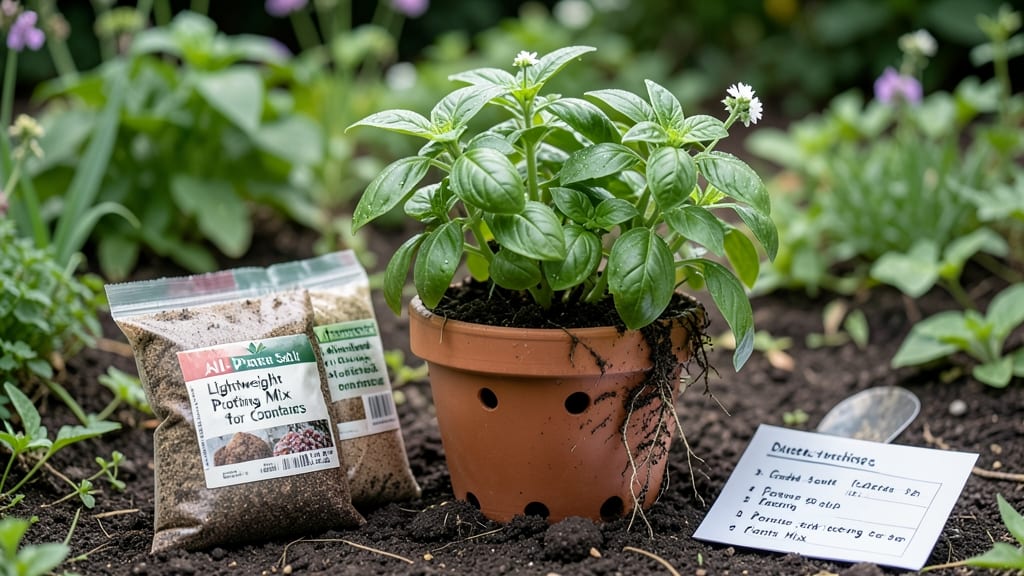
You shouldn't use garden soil for potted plants because it compacts easily, drains poorly, and promotes root rot due to poor aeration and excess moisture. Instead, choose lightweight potting mixes with perlite or vermiculite.
Garden soil is heavy and dense, which suffocates plant roots by blocking airflow and trapping moisture. 🌱 Without proper drainage, excess water sits around roots, creating the perfect conditions for rot.
Potting mixes, on the other hand, are specifically formulated to stay loose and breathable, allowing roots to expand and absorb nutrients efficiently. I've seen firsthand how plants in garden soil struggle—even with regular watering—while those in the right potting mix thrive with less maintenance.
For best results, look for mixes labeled "potting soil" or "container mix," which typically include ingredients like peat moss, coconut coir, or compost to retain moisture without compacting. Adding perlite or vermiculite further improves drainage and aeration.
If you're DIYing your mix, aim for a balance of 60% organic matter (like compost) and 40% inorganic additives (like perlite) to mimic ideal growing conditions.
💡 In This Article
- Why Garden Soil Fails in Potted Plant Growth
- Best Potting Soil Mixes for Healthy Container Plants
Why garden soil fails in potted plant growth
Garden soil is designed for in-ground planting where roots can spread freely and excess water drains naturally into the surrounding earth. In pots, however, the confined space creates a completely different environment.
When you pack garden soil into containers, it compresses under its own weight, reducing pore space between particles by up to 40%. This compaction restricts oxygen flow to roots, a critical issue since roots need 10-20% air space in their growing medium to function properly.
Without adequate aeration, roots suffocate and can't absorb nutrients efficiently, leading to stunted growth.
The drainage problem worsens because garden soil contains clay particles that swell when wet, creating a dense matrix that traps moisture. Unlike potting mixes with perlite or vermiculite (which have 50-60% larger pore spaces), garden soil can hold 30-50% more water by volume, leaving roots waterlogged for extended periods.
This moisture saturation triggers anaerobic conditions where harmful bacteria thrive, producing toxins that damage root cells. I've observed ferns and calatheas in garden soil develop black, mushy roots within 2-3 weeks—a clear sign of rot setting in.
Nutrient imbalances also play a role. Garden soil contains organic matter that breaks down slowly, releasing nutrients unevenly. In pots, this means plants get sudden nutrient spikes followed by deficiencies as the soil depletes. Potting mixes, however, use pre-composted materials like peat moss or coconut coir that release nutrients steadily.
The difference is like comparing a feast followed by famine versus a balanced diet—plants in garden soil often show symptoms like yellowing leaves (chlorosis) or weak stems from inconsistent nutrition.
Consider the texture difference: garden soil feels gritty and dense when moist, while good potting mix stays light and crumbly, almost like wet sand. This structural difference affects how water moves through the medium.
In garden soil, water pools at the bottom of pots because it can't percolate through the compacted layers. The result? Roots at the bottom drown while those at the top dry out—a classic case of uneven moisture distribution that stresses plants.
Even drought-tolerant succulents struggle in garden soil because their roots can't access the water efficiently.
Temperature fluctuations also impact potted plants differently in garden soil versus potting mixes. Garden soil retains heat longer, creating microclimates that can scorch roots during hot days. Meanwhile, potting mixes with perlite reflect heat better and allow excess warmth to dissipate.
I've seen cacti in garden soil develop brown patches on their roots from overheating, while identical plants in cactus-specific mixes stayed healthy through summer temperatures of 95°F. The lesson? Garden soil's physical properties create a hostile environment for container-grown plants.
What most people don't realize is how quickly these problems compound. A pot with garden soil might seem fine for the first few weeks, but as roots grow and fill the confined space, the compaction worsens.
The soil's natural structure breaks down under root pressure, creating air pockets that collapse over time. This is why even experienced gardeners often see their container plants decline after the initial growth spurt—what worked initially fails as the soil degrades.
The solution lies in choosing mixes designed specifically for pots, where every ingredient serves a purpose in maintaining that crucial balance of air, water, and nutrients.