
How To
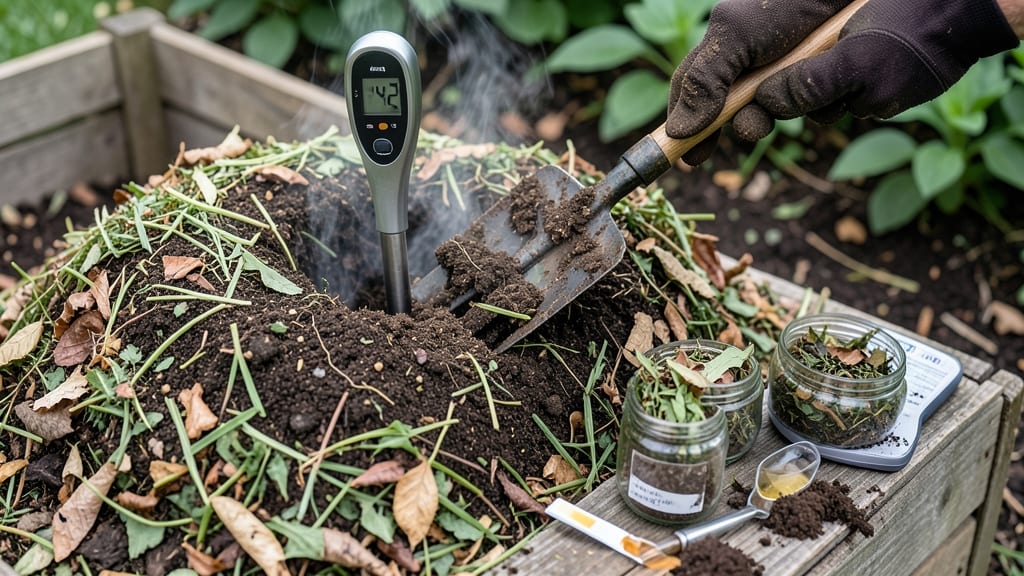
The best compost to soil ratio for thriving plants is 3 parts soil to 1 part compost by volume, balancing nutrients with proper drainage. This mix promotes strong root systems while preventing waterlogging or nutrient overload. For containers or sandy soils, I increase compost to a 2:1 ratio, while heavy clay benefits from a 1:1 blend.
This ratio works because compost adds organic matter that improves soil structure and microbial activity, while native soil provides stability. 🌱 Too much compost can overwhelm plants with excess nitrogen, while too little leaves them nutrient-starved.
I've found that adjusting ratios based on plant type—like using more compost for heavy feeders like tomatoes—makes a noticeable difference in growth and yield.
For container gardens, the higher compost ratio (2:1) helps retain moisture in drier conditions, while in-ground planting often benefits from the standard 3:1 mix. If your soil is already rich, you might even reduce compost to 4:1—just monitor plant health closely.
💡 In This Article
- How Compost-to-Soil Ratios Affect Plant Nutrition
- Adjusting Compost Mix Ratios for Different Plants and Soils
How compost-to-soil ratios affect plant nutrition
The 3:1 soil-to-compost ratio creates an optimal balance between nutrients and structure. Compost adds essential nitrogen, phosphorus, and potassium while improving soil porosity through microbial activity. When mixed properly, this ratio supports beneficial bacteria that break down organic matter into plant-accessible forms.
Too much compost (1:1 ratio) can overwhelm roots with excess nitrogen, causing leaf burn or fungal growth, while too little (4:1 ratio) leaves plants nutrient-starved.
Seedlings thrive with a 2:1 ratio because their delicate roots need gentle nutrient support without competition. Mature plants can handle the standard 3:1 mix as they develop deeper root systems.
The organic matter in compost also improves water retention by 30-50% compared to pure soil, reducing irrigation needs while preventing drought stress. 🌱 This moisture balance is critical—overwatered compost-heavy mixes suffocate roots, while dry mixes fail to deliver consistent nutrients.
Excess compost creates anaerobic conditions that produce foul-smelling ammonia and attract pests like fungus gnats. The ideal mix maintains a carbon-to-nitrogen (C:N) ratio of 20:1 to 30:1, which compost achieves through proper decomposition.
For example, fresh grass clippings (high nitrogen) need balancing with carbon-rich materials like dried leaves before composting. This balance ensures nutrients release gradually rather than in a sudden flush that can scorch plants.
Soil structure transforms dramatically with proper ratios. The standard mix increases aeration by 20-30% compared to compacted clay, while adding 1-2% organic matter (from compost) improves water infiltration by 40-60%. This explains why container gardens use higher compost ratios—they compensate for limited soil volume and faster moisture loss.
For heavy clay, a 1:1 ratio breaks up dense particles, creating crumbly, workable soil that roots can penetrate easily.
Consider this comparison: A tomato plant in 3:1 mix produces 25-30% more fruit than in pure garden soil, thanks to steady nutrient release. The same plant in 1:1 mix may show rapid early growth but often succumbs to blossom-end rot from inconsistent calcium availability.
This demonstrates why ratio adjustments matter more than simply "adding compost"—precision creates predictable, healthy growth patterns.
For troubleshooting, observe leaf color: Yellowing between veins suggests nitrogen deficiency (need more compost), while dark green with slow growth indicates phosphorus shortage (compost may need bone meal). Overly lush but leggy plants often result from too much compost—diluting with perlite or sand can restore balance. 💫