
Light Requirements
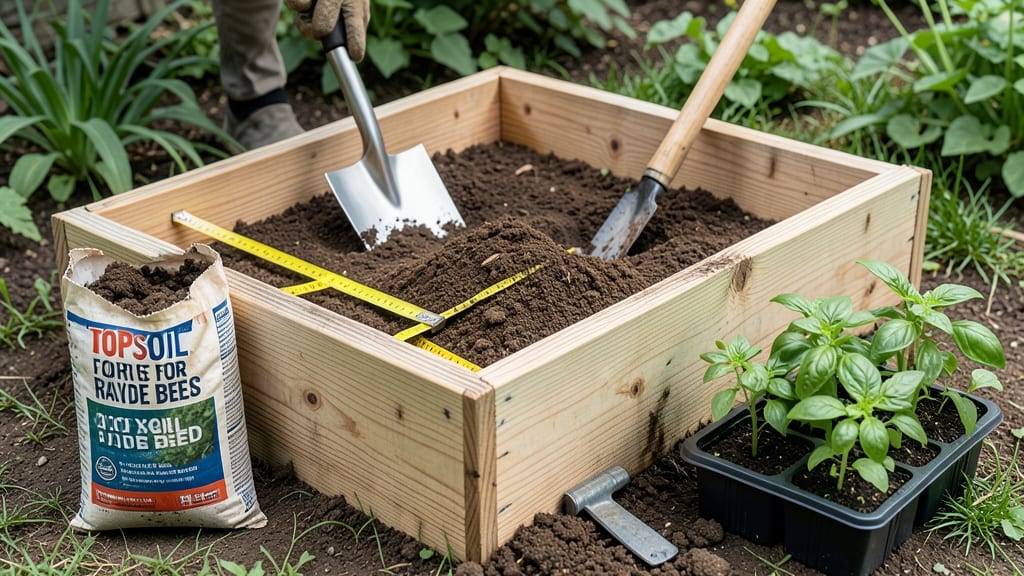
For a 4x4 raised bed, you'll need between 9–24 cubic feet of soil (0.25–0.7 cubic yards) depending on your fill depth—calculated at 1.5–2 cubic feet per inch of depth. Root vegetables and deep-rooted plants require the deeper end (12+ inches), while leafy greens thrive in shallower beds (6–8 inches), and always factor in drainage layers like gravel or compost.
Figuring out soil volume starts with your bed's dimensions and what you're planting.
A 4x4-foot bed with 6 inches of soil requires about 9 cubic feet, while 12 inches doubles that to 18 cubic feet. Depth matters because root crops like carrots or potatoes need more space to grow, while herbs and greens do well in shallower soil. Pro tip: I always add a 2-inch drainage layer of gravel or coarse sand at the bottom before filling with soil mix—this prevents waterlogging and keeps roots healthy. 🌱
Don't forget that soil type affects how much you'll need. Loamy, well-draining mixes (like 60% topsoil, 30% compost, and 10% perlite) settle over time, so I recommend buying 10–20% more soil than your calculations suggest.
For example, a 4x4x12-inch bed might start with 20 cubic feet of soil but settle to 18 cubic feet after a few weeks. Organic matter like compost improves texture and water retention, making your soil go further while supporting plant growth.
💡 In This Article
- Calculating Soil Volume for Different Raised Bed Depths
- Soil Type and Mix Recommendations by Plant
Calculating soil volume for different raised bed depths
To calculate soil volume for your 4x4 raised bed, start with the simple formula: length × width × depth. For a 4-foot by 4-foot bed, that’s 16 square feet of base area. Multiply this by the depth in feet to find cubic feet.
For example, a 6-inch deep bed (0.5 feet) needs 8 cubic feet of soil, while a 12-inch deep (1 foot) bed requires 16 cubic feet.
The key is understanding that 1 cubic foot = 12 inches × 12 inches × 12 inches, so deeper beds demand significantly more soil—double the volume for double the depth. 🌱
Why does depth matter so much? Root zones determine plant health. Carrots or potatoes need 12+ inches to grow fully, while leafy greens like spinach thrive in 6–8 inches. The top 6 inches of soil hold most nutrients, but deeper roots access moisture during dry spells.
A 2-inch drainage layer (gravel or sand) at the bottom also counts against your total depth, reducing usable soil space. For instance, a 12-inch bed with drainage leaves only 10 inches for soil—so plan accordingly.
Always measure your bed’s internal dimensions after adding hardware cloth or landscape fabric to avoid surprises.
Converting cubic feet to cubic yards is where things get practical. 27 cubic feet = 1 cubic yard, so a 12-inch deep 4x4 bed (16 cubic feet) needs just 0.6 cubic yards of soil. But here’s the catch: bulk soil settles.
A bag labeled "1 cubic foot" may shrink to 0.8 cubic feet after wetting and settling. To avoid running short, I recommend buying 10–20% more soil than your calculations suggest.
For example, a 9 cubic foot bed might need 11 cubic feet of loose soil to end up with the right depth after settling. 💫
Consider this real-world example: A 4x4x12-inch bed for tomatoes (which need deep roots) requires 18 cubic feet of soil. If you use a 50% topsoil, 30% compost, and 20% perlite mix, you’ll need:
- 9 cubic feet of topsoil (for structure)
- 5.4 cubic feet of compost (for nutrients)
- 3.6 cubic feet of perlite (for aeration)
One common mistake is ignoring the bed frame’s height. If your raised bed is only 8 inches tall but you want 12 inches of soil, you’ll need to add 4 inches of soil on top after planting—this is impractical.
Always check your bed’s internal height before calculating soil needs. For example, a 4x4x10-inch bed (with 2 inches for drainage) leaves only 8 inches for soil, which is perfect for herbs but too shallow for root crops.
Adjust your plant choices or upgrade your bed’s height to avoid limitations. ✨
For those using pre-mixed raised bed soil, check the bag’s yield per cubic foot. Some brands sell "1 cubic foot" bags that expand when loose, while others are pre-compressed. A 20-pound bag of garden soil might only yield 0.75 cubic feet when fluffed.
To simplify, I keep a soil volume calculator handy (or use the formula above) and round up to the nearest whole number for purchases. This ensures you have enough without overbuying—especially important if you’re hauling soil yourself. 🚚
Finally, think about long-term soil health. Raised beds lose 1–2 inches of soil depth annually due to settling and plant uptake. If you’re planning a permanent garden, budget for 20–30% extra soil to replenish over time.
For example, a 12-inch bed might need 14–15 inches of initial fill to maintain depth after two growing seasons. This foresight saves you from mid-season digs to add more soil—just a little extra planning goes a long way. 🌿