
How To
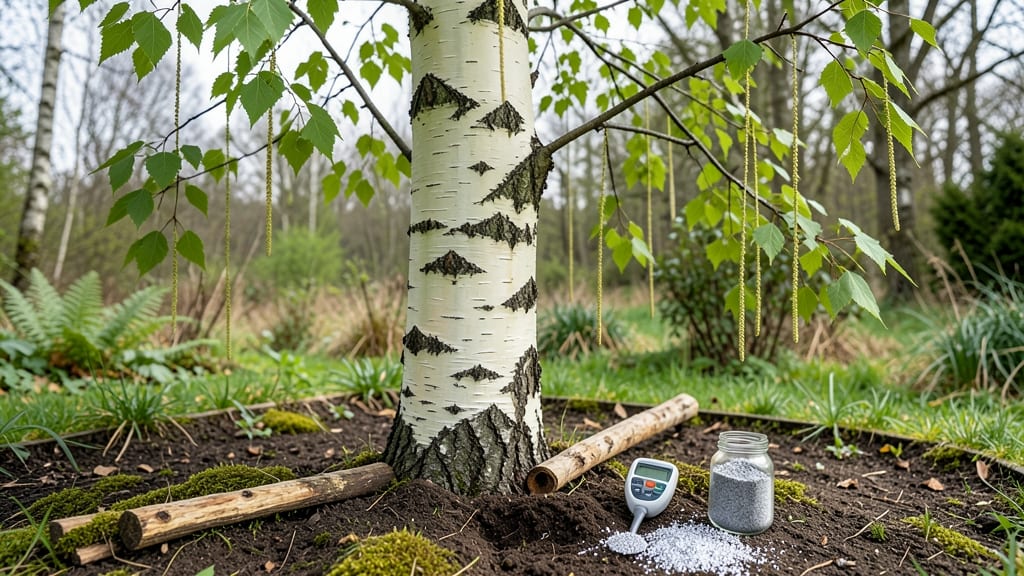
Ash does not make soil acidic—instead, it raises pH levels by neutralizing acidity, making soil more alkaline. Wood ash, in particular, contains potassium and calcium, which help balance overly acidic garden beds for plants like blueberries that thrive in slightly acidic conditions but need occasional pH adjustments.
Most gardeners assume ash lowers pH, but the opposite happens: it actually boosts soil alkalinity by neutralizing acidic compounds. 🌱 The potassium and calcium in wood ash react with hydrogen ions in acidic soil, effectively raising the pH. This makes ash especially useful for plants like azaleas or rhododendrons that prefer slightly acidic soil but occasionally need a gentle pH adjustment.
However, overuse can create nutrient imbalances or salt buildup, so moderation is key.
For best results, apply 1-2 pounds of ash per 100 square feet in early spring, working it into the top 2-3 inches of soil. Test your soil's pH first—if it's already neutral or alkaline, ash may do more harm than good.
Think of it as a fine-tuning tool rather than a cure-all for acidic soil conditions.
💡 In This Article
- How Wood Ash Alters Soil pH Chemistry
- When and How to Use Ash for Soil pH Balancing
How wood ash alters soil pH chemistry
The confusion about ash and soil acidity stems from its chemical composition. Wood ash is primarily made of potassium oxide (K₂O) and calcium oxide (CaO), both of which are alkaline compounds.
When you sprinkle ash on acidic soil, these oxides react with hydrogen ions (H+) present in the soil, effectively neutralizing them. This chemical reaction shifts the soil's pH toward neutrality or even alkalinity, depending on how acidic the soil was initially.
For example, if your soil has a pH of 5.0 (moderately acidic), adding wood ash can raise it to around 6.0-6.5—a range ideal for many vegetables and flowering plants.
The potassium in ash also acts as a slow-release fertilizer, providing essential nutrients while the calcium strengthens cell walls in plants.
What's fascinating is how this process works at a microscopic level: the alkaline minerals in ash bind with acidic compounds like aluminum and manganese, making them less available to plants, which can actually reduce toxicity in overly acidic soils. 🔥
However, the effect isn't permanent. Rainfall and organic matter decomposition gradually wash away the alkaline minerals, so the pH adjustment typically lasts 1-2 seasons
The key is understanding that ash doesn't "make" acidity—it counters it by introducing alkaline minerals that react with existing acidity in the soil.
Consider the case of blueberries, which prefer slightly acidic soil (pH 4.5-5.5). While they thrive in acidic conditions, they can benefit from occasional ash applications to balance micronutrient availability. The calcium helps prevent blossom-end rot in tomatoes, while the potassium supports root development.
This dual benefit explains why gardeners often use ash sparingly in acidic soils to create a more balanced growing environment.
One common misconception is that all ashes behave the same way. Hardwood ashes (like oak or maple) are more alkaline than softwood ashes (like pine), which can contain higher levels of sulfur and may have a slightly different pH effect.
Always use untreated, wood-only ash—coals or chemically treated ashes can introduce harmful contaminants that disrupt soil chemistry entirely. 🌱
The science behind this involves the concept of "buffering capacity" in soils. Clay-heavy soils hold onto pH changes better than sandy soils, meaning ash will have a more lasting effect in loamy or clay-based gardens.
In sandy soils, the pH adjustment might be more temporary, requiring more frequent monitoring and reapplication. This is why soil testing before and after ash application is crucial for precise pH management.
Think of ash as a chemical scalpel rather than a blunt instrument. When used correctly, it can precisely adjust soil acidity to create optimal growing conditions for specific plants.
The magic happens at the molecular level where alkaline minerals meet acidic compounds, transforming an inhospitable environment into one where roots can thrive. This precise control is what makes ash such a valuable (but often misunderstood) tool in the gardener's pH adjustment toolkit. ✨