
How To
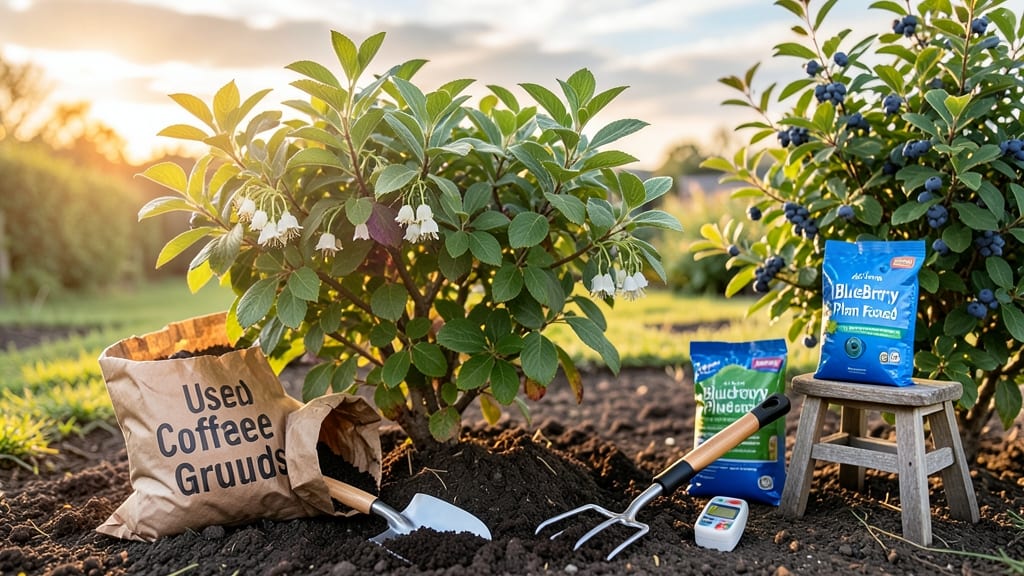
Using coffee grounds does make soil more acidic, lowering its pH by 0.3 to 0.5 units over time due to their natural acidity (pH 6.2–6.8). However, their effectiveness varies based on soil type, composting methods, and plant requirements—too much can damage acid-sensitive plants like hydrangeas while perfectly supporting acid-loving crops like blueberries.
Coffee grounds work their magic through organic acids like chlorogenic and quinic acid, which break down during decomposition. Microbes in the soil accelerate this process, releasing hydrogen ions that gradually acidify the environment. Fresh grounds have a stronger effect than composted ones because they haven't fully decomposed yet.
However, sandy soils show more dramatic pH shifts than clay-heavy soils, which naturally resist change. 🌱 The key is balance—too much can create a hostile environment for plants that prefer neutral or alkaline conditions.
For gardeners, the best approach is to use coffee grounds strategically. Acid-loving plants like azaleas, rhododendrons, and potatoes thrive with a light application (about 1 cup per plant every few months), while vegetables like tomatoes benefit from a 1:4 ratio mixed into compost.
Always work them into the top 2-3 inches of soil rather than applying them directly to plant roots. If you notice yellowing leaves or stunted growth, it's a sign the soil has become too acidic—time to adjust with lime or wood ash.
💡 In This Article
- How Coffee Grounds Alter Soil pH Chemistry
- Best Practices for Using Coffee Grounds in Gardens
How coffee grounds alter soil pH chemistry
Coffee grounds contain organic acids like chlorogenic and quinic acid, which naturally sit at a pH of 6.2–6.8—already more acidic than neutral soil (7.0).
When these compounds break down, they release hydrogen ions (H⁺) into the soil solution, gradually lowering pH. The process accelerates with microbial activity, where soil bacteria and fungi decompose the grounds, converting their nitrogen-rich compounds into ammonium (NH₄⁺), which further contributes to acidity.
This biochemical reaction is why fresh grounds have a stronger immediate impact than composted ones—they haven't fully decomposed yet, preserving their acidic potential.
The extent of pH change depends entirely on your soil's buffering capacity. Sandy soils, with their loose structure, show more dramatic shifts (up to 0.5 pH units over 3–6 months) because they lack the mineral content to neutralize acids.
In contrast, clay-heavy soils resist change due to their high cation exchange capacity, which binds and neutralizes hydrogen ions.
For example, a 1:4 ratio of coffee grounds to soil in sandy loam might drop pH from 6.5 to 6.0, while the same mix in clay soil could only shift it to 6.3.
The texture also affects decomposition speed—finer grounds break down faster than coarse ones, releasing acids more quickly.
What most gardeners overlook is the nitrogen surge from decomposing grounds. While this boosts microbial activity, it can create a "hot spot" effect—temporarily raising soil nitrogen levels to 0.5–1.0% before stabilizing. This spike can burn plant roots if applied too heavily or directly.
The key is patience: composting grounds first (for 2–3 months) mellows their acidity while preserving their nutrient benefits. Think of it like steeping tea—fresh grounds are strong and concentrated, while aged grounds offer a smoother, more balanced effect. 🌱
Here's a critical comparison: fresh coffee grounds can lower pH by 0.3–0.5 units within 4–8 weeks, while composted grounds take 3–6 months to achieve similar results but with less risk of over-acidification.
The difference lies in the breakdown of chlorogenic acid—fresh grounds contain 5–7% chlorogenic acid, which decomposes into caffeic acid (another acidifying compound), while composted grounds have already undergone this transformation. For precise control, mix grounds with equal parts wood ash (a natural pH neutralizer) to buffer the acidity.
Visualize the process: when you sprinkle grounds on soil, microbes swarm the particles like bees on honey. Within days, you'll see the coffee's dark color fade as decomposition begins, releasing those hydrogen ions.
The soil's moisture level plays a huge role here—dry conditions slow decomposition, while moist soil (ideal for microbial activity) speeds it up. This is why fall applications often show stronger acidification effects by spring, as winter rains accelerate the breakdown.
The aroma of fresh coffee grounds gives way to an earthy, mushroom-like scent as decomposition progresses—a telltale sign the pH-altering chemistry is underway.
For those tracking exact pH changes, invest in a soil test kit. Start with a baseline reading, then re-test after 8 weeks of applying grounds. You might be surprised by how subtle the shifts can be—especially in well-buffered soils.
The goal isn't to create a science lab but to understand that coffee grounds are a tool, not a one-size-fits-all solution.
A 1% coffee ground amendment (by volume) is a safe starting point for most garden beds, while acid-loving plants like blueberries may tolerate up to 3% in their root zones. The key is monitoring and adjustment. ✨