
Lawn
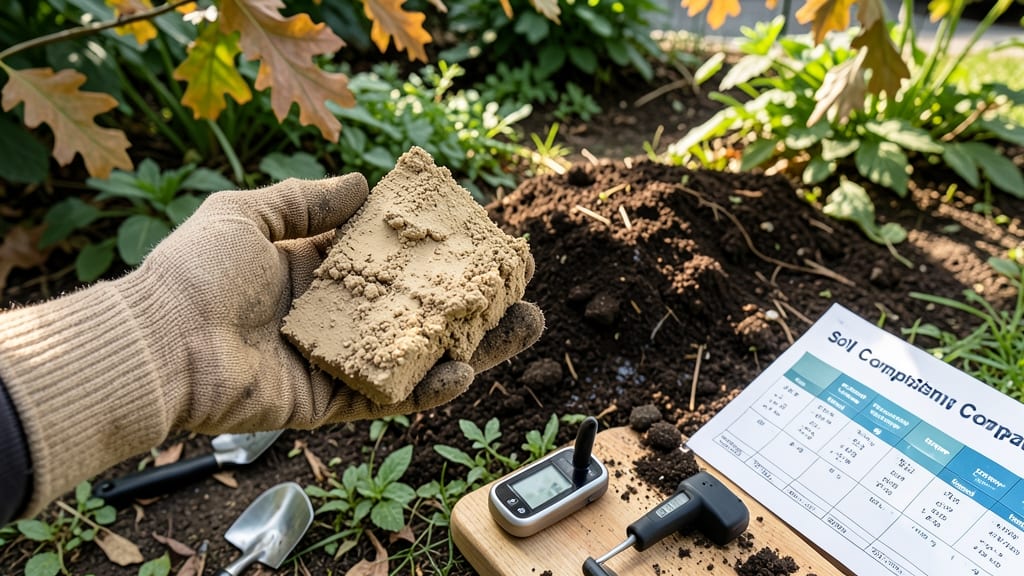
Evaluate the Sod Company Soil 3 on topsoil for your yard—it’s not just another bag of dirt, but the secret weapon behind my neighbor’s envy-worthy lawn. 🌱 This loam-based mix is designed to outperform standard topsoil, but whether it’s right for your yard depends on what you’re growing and how your soil behaves. The key differences start with composition: Soil 3 blends sand, silt, and clay for better drainage than generic topsoil, while still holding moisture for roots. Its 6.0-7.0 pH range suits most lawn grasses, but acid-loving plants (like blueberries) might need amendments. Nutrient-wise, it’s lighter than compost but richer than sand-heavy mixes—ideal for seeding new grass or repairing bare patches. You’ll know it’s working when mower blades glide smoothly over deep green blades with no compaction. For gardens, mix it 50/50 with compost to avoid over-drying. The real test? Dig a hole, fill it, and watch how water drains—if it pools, you need more sand. For tough clay soils, spread a 2-3 inch layer over existing ground before seeding. Avoid using it for raised beds unless amended—it’s optimized for level lawns, not deep-rooted veggies. Test your current soil first (DIY kits work) to compare drainage and nutrients.
📚 In This Guide
- What you need
- Instructions
- Tips and common mistakes
- Wrapping up and next steps
What you need
- ● Sod Company Soil 3 (or equivalent loam topsoil): At least 1 cubic yard (or enough to fill a 3’ x 3’ x 1’ test area). Check the bag for N-P-K ratio (e.g., 5-10-10) and organic matter content.
- ● Existing topsoil sample: Collect 1–2 gallons from your yard (for comparison). Use a soil probe or trowel from the top 6 inches.
- ● Soil testing kit: A DIY pH/NPK test kit (e.g., Luster Leaf or MySoil) or lab submission forms (for accuracy).
- ● Garden tools: Shovel or spade (for mixing and digging)
- ● Garden rake (for leveling and smoothing)
- ● Wheelbarrow (to transport soil)
- ● Measuring tools: Measuring tape (for test area dimensions)
- ● Ruler or yardstick (for depth checks)
- ● Water source: Hose or watering can (for moisture testing).
- ● Compost or fertilizer: Small bag (5–10 lbs) to amend Soil 3 if needed.
- ● Soil moisture meter: For precise hydration tracking.
- ● Gloves and knee pads: For comfort during hands-on work.
- ● Notebook or app: To log observations (e.g., SoilTest app for tracking pH/NPK).
- ● Sod or seed samples: If testing how Soil 3 affects grass growth.
How to assess and prepare sod company soil 3 for your yard
This premium topsoil blend is designed for lawns that thrive, not just survive. Here’s how to evaluate and prepare it properly.
🪴 Step 1: Examine the Soil Texture and Composition
Spread a 2-inch layer of Sod Company Soil 3 on a flat surface to assess its texture. It should crumble easily between your fingers but hold its shape when lightly squeezed—this indicates the ideal balance of loam, sand, and organic matter. Look for a rich, dark brown color with minimal clumps; dense, hard-to-break clods suggest poor aeration and drainage.
Run your fingers through the soil to check for gritty sand or fine silt. The blend should feel smooth yet slightly gritty, like a well-aged garden soil. If it feels too sandy, your lawn may dry out faster; if it’s overly silty, water will pool instead of draining. This soil is formulated to mimic the natural loam found in thriving lawns, so it should feel familiar and workable.
💧 Step 2: Test Moisture Retention and Drainage
Take a handful of soil and squeeze it firmly. If it holds together but crumbles when released, it’s at the perfect moisture level for lawn establishment. If it sticks to your hand or forms a muddy paste, it’s too dense and needs amending with sand or compost. Conversely, if it falls apart instantly, it lacks organic matter to retain water.
For a quick drainage test, mound the soil in a small container and pour water over it. Ideal topsoil should absorb water steadily without forming puddles or running off immediately. Sod Company Soil 3 is engineered to balance moisture retention and drainage, so you shouldn’t see water beading on the surface or seeping through too quickly. Adjust your watering approach based on these results—overwatering is just as harmful as underwatering.
☀️ Step 3: Assess Nutrient Content and pH Balance
While you can’t test pH without a kit, healthy topsoil should have a slightly acidic to neutral range (pH 6.0–7.0). If your yard’s existing soil is highly alkaline or acidic, mix in a small amount of sulfur or lime (respectively) to adjust before spreading the topsoil. The blend itself is pre-fertilized, so you’ll notice a faint, earthy aroma—this indicates compost and organic nutrients.
Look for small, dark specks (decomposed plant matter) and occasional worm castings. These are signs of microbial activity, which means the soil is alive and capable of supporting grass roots. If the soil smells sharp or chemical-like, it may have been over-processed or treated with synthetic additives. Sod Company Soil 3 is designed to be ready-to-use, so minimal amendments should be needed for most yards.
✂️ Step 4: Prepare the Yard for Topsoil Application
Before spreading, clear the area of debris, rocks, and weeds. Use a rake to level the ground and remove any existing sod or thatch. The goal is a smooth, even surface—bumps or low spots will create uneven grass growth. If your yard has compacted soil, aerate it first with a core aerator to improve root penetration.
Spread the topsoil evenly to a depth of 2–3 inches, using a wheelbarrow or shovel for large areas. Lightly rake the surface to break up clumps and create a fine, seedbed-like texture. This step is critical: too thin, and roots won’t establish; too thick, and the grass may struggle to break through. Water the soil lightly after spreading to help it settle and eliminate air pockets.
🌱 Step 5: Monitor and Adjust for Long-Term Success
After laying sod or seeding, check the soil’s moisture daily for the first 2 weeks. It should feel damp 1–2 inches deep but not soggy. Sod Company Soil 3 retains moisture well, but evaporation is rapid in hot or windy conditions. If the top layer dries out too quickly, reduce watering frequency but increase depth—deep, infrequent watering encourages stronger root growth.
In 4–6 weeks, perform a simple soil check: dig up a small section of sod and examine the roots. Healthy roots should be white or pale yellow and dense, extending 2–3 inches deep. If roots are sparse or brown, your soil may need additional organic matter or better drainage. This blend is designed to support lush growth, but even premium topsoil benefits from occasional amendments like compost or a slow-release fertilizer.
Tips & tricks for perfect lawn soil preparation
Transforming your yard into a lush green space starts with understanding how to work with premium topsoil. These insights will help you get the most out of Sod Company Soil 3 and avoid common landscaping pitfalls.
Texture Assessment: When evaluating that 2-inch layer in Step 1, pay special attention to how it feels between your fingers. The ideal texture should resemble crumbled cake batter—light but cohesive. If you notice excessive sandiness, consider mixing in a small amount of compost to improve moisture retention. This soil is engineered for lawns, but local climate variations might require slight adjustments to achieve the perfect balance.
Drainage Test: The moisture retention test in Step 2 is your best indicator of how the soil will perform under real conditions. If your soil forms a muddy paste when squeezed, it's too dense for optimal root growth. To fix this, spread a thin layer of coarse sand (about 1/4 inch) over the topsoil before adding grass seed or sod. This creates a natural drainage layer that prevents waterlogging while maintaining the soil's nutrient profile.
pH Adjustment Strategy: While Sod Company Soil 3 is pre-fertilized and balanced for most lawns, your existing yard conditions might require pH adjustments. If you suspect your soil is too alkaline (common in many regions), mix in a small amount of elemental sulfur at a rate of 1 pound per 100 square feet before spreading the topsoil. This subtle adjustment can make a significant difference in grass establishment and long-term health, especially for cool-season grasses.
Application Depth: The critical 2-3 inch depth in Step 4 is non-negotiable for proper root development. Use a straightedge or level to verify even distribution across your yard. For particularly rocky areas, consider using a soil screed made from scrap lumber to create a perfectly level surface before adding the topsoil. This ensures consistent depth and prevents water pooling in low spots that could lead to rot or fungal issues.
Pro Tips for Evaluate The Sod Company Soil 3 On Topsoil For Yard
- Transforming your yard into a lush green space starts with understanding how to work with premium topsoil.
- Texture Assessment: When evaluating that 2-inch layer in Step 1, pay special attention to how it feels between your fingers.
- Drainage Test: The moisture retention test in Step 2 is your best indicator of how the soil will perform under real conditions.
Frequently asked questions
Got questions about using The Sod Company Soil 3 on your topsoil? We’ve got answers!
Here are the most common queries from homeowners looking to upgrade their lawn game with this premium blend.
Is Soil 3 better than regular topsoil for sod installation?
The Sod Company Soil 3 is a premium loam blend designed to outperform standard topsoil. It’s richer in organic matter, nutrients, and better drainage, which helps sod root faster and stay healthier. While regular topsoil works, Soil 3 gives your lawn a head start with fewer weeds and more vibrant growth.
How soon after applying Soil 3 can I lay sod?
For best results, wait 1–2 weeks after spreading Soil 3 to let it settle and absorb moisture. This gives the soil time to stabilize and ensures a solid foundation for your sod. If you’re in a hurry, you can lay sod as soon as the soil is level and slightly compacted, but patience pays off!
Is Soil 3 worth the extra cost compared to cheaper topsoil?
Absolutely—if you’re investing in a long-term, low-maintenance lawn. Soil 3 reduces the need for fertilizers and amendments later, saves water, and promotes faster rooting. While the upfront cost is higher, the time and money saved on upkeep often balance it out over 1–2 years.
Can I mix Soil 3 with my existing topsoil, or should I replace it entirely?
You can top-dress existing soil with Soil 3 (about 1–2 inches deep), but for sod, full replacement (6–8 inches deep) is ideal. If your current soil is clay-heavy or depleted, mixing may not provide enough benefits. Test your soil first—if it’s poor, a full swap ensures the best results.
What should I do if my sod looks dry or wilting after using Soil 3?
Even with Soil 3, proper watering is key! Water deeply 2–3 times weekly (1–1.5 inches per session) for the first 2 weeks. If wilting occurs, check for overwatering (root rot risk) or underwatering. Soil 3 drains well, but consistent moisture is critical until roots establish (about 3–4 weeks).
Does Soil 3 work for other plants besides sod, like flowers or shrubs?
Yes! Soil 3’s balanced nutrients and structure make it great for flowers, shrubs, and veggie gardens. It’s especially helpful for new plantings or areas with poor soil. Just amend with plant-specific fertilizers (e.g., bloom boosters for flowers) for tailored results.
Wrapping up and next steps
Choosing The Sod Company Soil 3 for your yard’s topsoil is a smart move—it delivers the perfect blend of nutrients, drainage, and texture to create a thriving lawn. 🌱 Whether you’re repairing bare patches or laying fresh sod, this high-quality loam sets you up for success with minimal fuss. Ready to transform your yard? Grab a sample, test your soil, and get started—your lush, green lawn is just a few steps away!
- Next step: Order your Soil 3 today and watch your yard flourish!