
Companion Plants
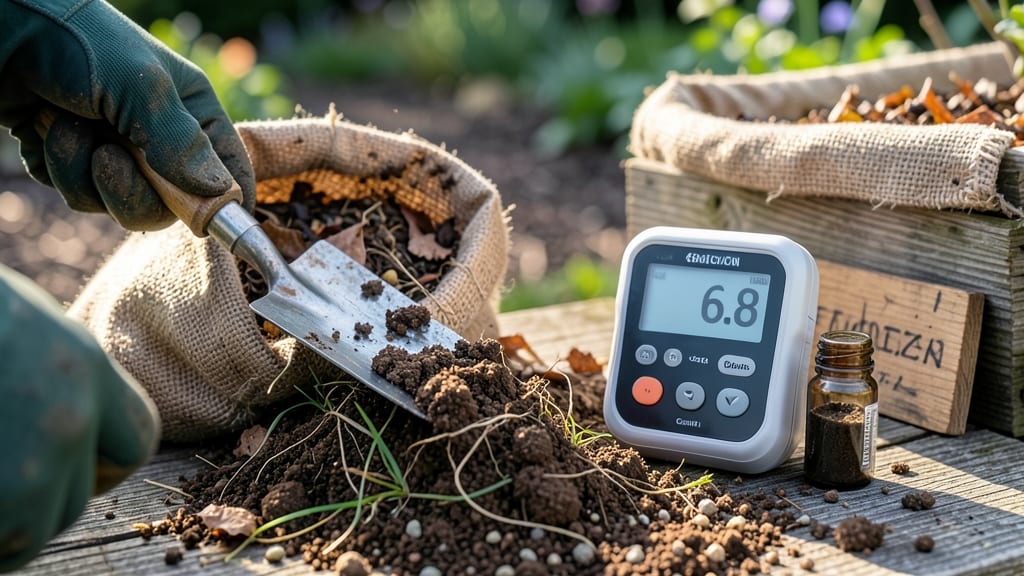
The right garden soil for plants makes all the difference—think of it as the foundation for a house, not just dirt. 🌱 I’ve learned the hard way that skipping soil prep means struggling with stunted growth, yellowing leaves, and plants that just won’t thrive, no matter how much you water them.
Most gardeners focus on the plants themselves, but the truth is, nutrient-rich, well-draining soil does half the work for you. Whether you’re dealing with heavy clay, sandy washes, or that perfect loamy mix, amending it with compost, aged manure, or worm castings transforms it into a powerhouse for roots.
A simple soil test (just $20 at garden centers) reveals what’s missing—often, it’s organic matter or the right pH balance.
What you’ll end up with is a loose, crumbly base that holds moisture without drowning roots, packed with microbes that break down nutrients into forms plants can use. My tomatoes now grow twice as fast in amended soil, and my flowers bloom longer—all because the roots aren’t fighting for survival.
The best part? You can start small with a single raised bed or expand to your entire yard.
This works for vegetables, flowers, shrubs—anything you plant. The key is consistency: add organic matter every season and test your soil every few years. Ready to turn your dirt into a thriving ecosystem? Let’s get started.
📚 In This Guide
- What you need
- Instructions
- Tips and common mistakes
- Wrapping up and next steps
What you need
- ● Topsoil (50-75%): The base for structure—opt for loamy topsoil (sandy, silt, and clay mix). Quantity: 3-4 cubic yards for a 10’x10’ garden bed.
- ● Compost (20-30%): Adds organic matter and nutrients. Use well-aged compost (avoid fresh manure). Quantity: 1-2 bags (40-60 lbs each) per cubic yard of soil.
- ● Perlite or Vermiculite (5-10%): Improves drainage and aeration. Quantity: 1-2 cups per 5-gallon bucket of soil mix.
- ● Peat Moss or Coconut Coir (10-15%): Retains moisture while keeping soil loose. Quantity: 1-2 bags (3-4 cubic feet each).
- ○ Balanced Fertilizer (Optional but Recommended): Slow-release 10-10-10 or organic options like worm castings. Quantity: 1 lb per 100 sq ft.
- ● Garden Fork or Shovel: For turning and mixing soil. Must-have!
- ● Wheelbarrow or Large Container: To haul materials. Size: 3-5 cubic feet capacity.
- ● Garden Gloves: Protect your hands from rough soil and sharp tools.
- ○ pH Test Kit (Optional but Helpful): Ensures soil acidity/alkalinity is plant-friendly (ideal: 6.0-7.0 for most plants).
- ● Watering Can or Hose: For moistening soil before mixing.
- ● Test Your Soil First! 💡 A simple soil test kit (under $20) saves time and guesswork.
- ● Layer Like a Pro: Mix topsoil and compost first, then add perlite/peat moss for fluffiness.
- ● Avoid Over-Tilling: 🌡️ Too much mixing can destroy soil structure—just loosen it up!
Step-by-step guide to building the perfect garden soil mix
Here's how I create a loose, nutrient-packed soil blend that gives plants the strong foundation they need.
🌱 Step 1: Start with the Right Base Materials
Garden soil isn't just dirt—it's a living ecosystem. Begin with 50% topsoil (the fertile upper layer) as your foundation. I always use compost (25%) next—this adds organic matter that improves drainage while holding moisture. For texture, mix in 25% perlite or coarse sand to prevent compaction.
Sift everything through a ¼-inch mesh screen to remove rocks and clumps. This ensures your mix stays light and airy, which roots love. I like to work in batches of 4 cubic feet—enough to fill a standard raised bed section. Don't skip the sifting; compacted soil smothers roots and cuts off oxygen.
🌿 Step 2: Add Nutrients and Microbes
Now it's time to feed the soil. Stir in 1 cup of worm castings per 4 cubic feet—this adds beneficial microbes that break down nutrients plants can use. For extra fertility, mix in ½ cup of bone meal or 1 cup of well-rotted manure. I like to use kelp meal (1 tablespoon per 4 cubic feet) too—it boosts trace minerals and helps plants resist stress.
Work these amendments into the base mix until everything looks evenly distributed. You'll see darker, richer soil—this means your plants will have plenty to eat. For container gardens, reduce amounts by half since pots hold less volume. The goal is balance: too much fertilizer burns roots, but too little leaves plants hungry.
☀️ Step 3: Test and Adjust Moisture
Take a handful of your mixed soil and squeeze it gently. If it holds together but crumbles when released, you've got the right texture. If it stays in a tight ball, add more perlite or sand. If it falls apart completely, mix in a little more compost to improve water retention.
Water the mix until it's evenly moist (like a damp sponge). This helps settle the ingredients and activates the compost. I like to let it sit for 24 hours before planting—this gives microbes time to wake up and start breaking down nutrients. Avoid planting immediately; fresh soil can be too active and may burn tender roots.
🪴 Step 4: Layer for Different Plant Types
For heavy feeders like tomatoes or peppers, use the full nutrient mix. For lighter plants like herbs or succulents, reduce the compost to 15% and increase perlite to 35%—this keeps roots from sitting in moisture. I always reserve 10% of my mix as a top dressing for established plants later in the season.
Spread a 2-inch layer of finished soil in your beds or pots. For containers, fill to 1 inch below the rim—this prevents spills when watering. Tap the container gently to settle the soil without compacting it. The right depth ensures roots have room to grow while keeping the plant stable.
⏰ Step 5: Maintain Over Time
After planting, add a 1-inch layer of mulch (like straw or wood chips) to protect the soil. This keeps moisture in and weeds out while slowly feeding your mix as it breaks down. Every 3-4 months, mix in another ½ inch of compost to replenish nutrients.
Watch for signs your soil needs attention: yellowing leaves often mean it's time for more nutrients, while mold or foul smells signal too much moisture. I always keep a small bag of perlite on hand—just a sprinkle can fix drainage issues fast. With this mix, your plants will grow strong from day one.
Tips & tricks for perfect garden soil for plants
Between us, the difference between healthy plants and struggling ones often comes down to the soil—not just what you plant, but what you grow it in. Here's what nobody tells you about making this mix work even better.
Texture is Everything: That 25% perlite or sand isn't just filler—it's the secret to preventing compaction. I learned this the hard way after watching roots struggle in dense soil. For containers, use coarse vermiculite instead of perlite if you're worried about drainage—it holds moisture slightly better while still providing aeration. The goal is that "damp sponge" feel when squeezed, not a brick.
Compost Quality Matters: Not all compost is created equal. For this mix, use well-aged compost (no fresh manure or kitchen scraps that haven't fully broken down). Fresh compost can overheat and burn tender roots. I always check for a dark, crumbly texture and an earthy smell—if it smells sour or has visible chunks, compost it longer. For container gardens, you can reduce compost to 15% and add 10% coconut coir for extra moisture retention.
Microbe Activation: The 24-hour resting period isn't just about settling—it's about waking up those beneficial microbes. Cover your mixed soil with a damp towel during this time to maintain moisture. This gives the microbial community time to establish before plants arrive. Think of it like preheating your oven: you're preparing the environment for your plants to thrive from day one.
Layering Strategy: For raised beds, I recommend building your mix in 3-inch layers rather than one big pile. This prevents compaction from foot traffic as you work. Start with the base materials, then add amendments layer by layer, mixing thoroughly between each addition. The final 2-inch planting layer should be the richest in nutrients—this is where new roots will first explore.
Pro Tips for Garden Soil For Plants
- Between us, the difference between healthy plants and struggling ones often comes down to the soil—not just what you ...
- Texture is Everything: That 25% perlite or sand isn't just filler—it's the secret to preventing compaction. I learned...
- Compost Quality Matters: Not all compost is created equal. For this mix, use well-aged compost (no fresh manure or ki...
Frequently asked questions
What’s the best soil mix for most garden plants?
A balanced mix of 60% topsoil, 30% compost, and 10% perlite or sand works for most plants. For heavy clay soil, add organic matter (like peat moss) to improve drainage. Container plants thrive in a 50/50 blend of potting soil and compost for better aeration.
When is the best time to amend garden soil?
Amend soil in early spring or fall—this gives microbes time to break down organic matter before planting. Avoid adding fresh compost right before planting; it can burn roots. For new gardens, till in amendments 2-3 months ahead of your planting season.
Can I use regular dirt from my yard as garden soil?
Not always! Yard soil is often compacted or nutrient-poor. Test it first—if it’s hard, clay-heavy, or lacks organic material, mix in compost, peat moss, or aged manure. For veggies and flowers, enrich it further with a balanced fertilizer or worm castings.
What do I do if my soil smells bad or has pests?
A foul odor or pests (like ants or grubs) mean your soil is too wet, lacks aeration, or has decaying matter. Fix it by:
- Adding coarse sand or perlite to improve drainage.
- Mixing in fresh compost to outcompete pests.
- Using beneficial nematodes for grubs.
Are there cheap alternatives to store-bought garden soil?
Yes! Try these budget-friendly swaps:
- Compost: Free from kitchen scraps or municipal programs.
- Leaf mold: Shredded leaves left in a bin for 6–12 months.
- Wood chips: Chunky mulch breaks down into humus over time.
- Manure: Aged cow, horse, or chicken manure (avoid fresh!).
Wrapping up and next steps
Choosing the right garden soil for plants is the foundation of a thriving garden—one that nurtures strong roots, vibrant blooms, and bountiful harvests. 🌱 Whether you’re blending compost, adjusting pH, or testing moisture levels, the key is a loose, nutrient-rich mix tailored to your plants’ needs.
With the right soil, even the pickiest greens or delicate flowers will flourish!
Ready to take the next step? Grab a trowel, test your soil, and start amending it today—your plants (and future harvests) will thank you! Happy gardening! 🌿