
Tools
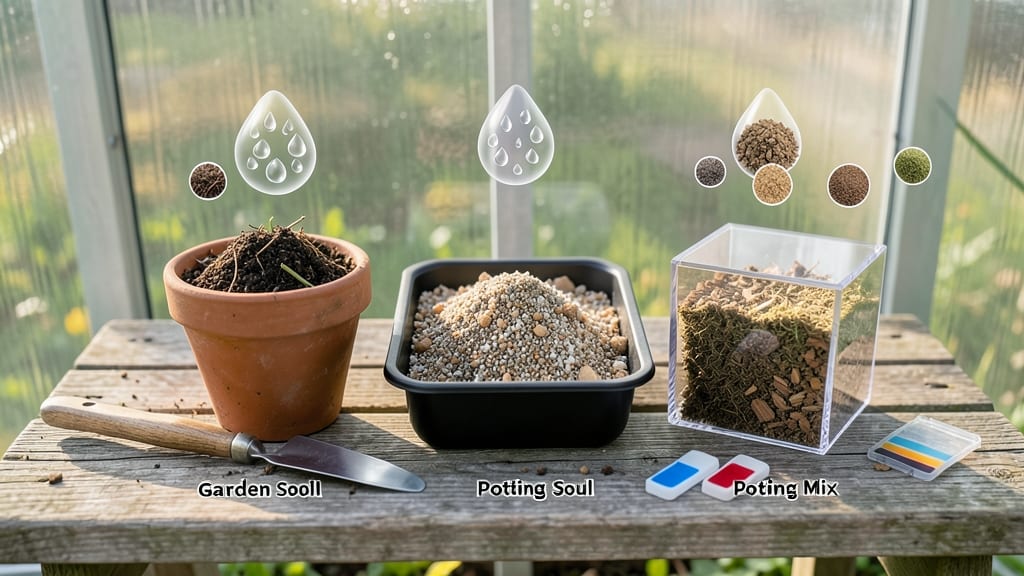
Your plants’ health starts with the right soil—but choosing between garden soil, potting soil, and potting mix can feel overwhelming. 🌱 I’ve tested all three, and the difference isn’t just labels; it’s about drainage, nutrients, and whether your plants need to breathe or spread roots freely.
Here’s how to pick the perfect foundation for your garden.
Garden soil is the heavyweight champ for in-ground planting—it’s packed with organic matter, worms, and microbes that break down over time. But it’s also dense, which can suffocate container plants.
Potting soil, meanwhile, blends garden soil with compost and perlite for better aeration, making it ideal for pots and raised beds where roots need room to grow.
Potting mix is the lightweight superstar: sterile, fluffy, and designed for seed starting or finicky plants like succulents. It drains fast, prevents compaction, and often includes slow-release fertilizer. The trade-off? It lacks the long-term nutrients of garden soil, so you’ll need to feed plants regularly.
Your choice depends on where you’re planting: garden soil for the ground, potting soil for containers, and potting mix for seeds or delicate plants. Mixing them can also work—just match the job to the soil’s strengths. Let’s break down the best uses for each!
The first product explained
Product A Overview: Miracle-Gro Performance Organics All Purpose In-Ground Soil 🌱💚
📌 Specs & Features
This premium garden soil is designed for in-ground planting and delivers a nutrient-rich foundation for vegetables, flowers, and shrubs. Here’s what makes it stand out:
- Organic blend: Made with 100% natural ingredients, including composted plant materials and beneficial microbes.
- Slow-release nutrients: Includes organic matter to feed plants for up to 3 months after planting.
- Moisture retention: Helps reduce watering frequency while preventing over-saturation.
- pH-balanced: Optimized for most plants (ideal range: 6.0–7.0).
- Weed & pest control: Contains natural ingredients to deter weeds and common garden pests.
- Coverage: A 40 lb. bag covers ~100 sq. ft. at a 3-inch depth.
🎯 Target Users
This product is perfect for:
- 🌿 Home gardeners looking for an easy, high-performance soil for vegetables, herbs, and flowers.
- 🏡 Newbies & experienced gardeners who want a no-fuss, nutrient-packed soil without synthetic chemicals.
- 🌳 Eco-conscious plant lovers who prioritize organic, sustainable gardening practices.
- 🏡 Urban gardeners with raised beds or in-ground plots needing a nutrient boost.
💰 Price Point & Value
Priced at $12.97 for a 40 lb. bag (as of latest retail data), this soil offers great value for its organic quality and long-lasting benefits.
While slightly more expensive than basic garden soil, its slow-release nutrients and weed control justify the cost for serious gardeners. Pro Tip: 💡 Buy in bulk if you’re tackling a large garden—it’s cheaper per cubic foot!
Perfect for those who want healthy plants without the guesswork, this soil is a top pick for in-ground gardening! 🌟
The second product explained
Next up, let’s dive into Miracle-Gro Potting Mix 🌱, a heavyweight contender in the world of potting soils. This premium blend is designed to give your plants the perfect start—whether you're nurturing houseplants, herbs, or even delicate flowers. Here’s what makes it stand out:
📏 Key Specs & Features
- Composition: A well-balanced mix of peat moss, perlite, vermiculite, and compost, ensuring excellent aeration and moisture retention.
- Nutrient Boost: Includes slow-release fertilizer (12-4-8 NPK ratio) to feed plants for up to 3 months—no extra feeding required!
- pH Level: Slightly acidic (5.5–6.5), ideal for most container plants, including vegetables, herbs, and flowering annuals.
- Texture: Lightweight and fluffy, preventing compaction while promoting strong root growth.
- Organic Matter: Contains composted bark and coconut coir for added structure and microbial activity.
🎯 Who’s It For?
This potting mix is a go-to for beginners and experienced gardeners alike. It’s especially great for:
- 🌿 Houseplants (e.g., snake plants, pothos, ferns) – keeps roots happy without soggy messes.
- 🌱 Herbs & Vegetables (basil, tomatoes, peppers) – the fertilizer kickstart gives them a growth advantage.
- 🌸 Flowering Plants (petunias, geraniums, impatiens) – supports vibrant blooms with steady nutrition.
- 🏡 Urban Gardeners – perfect for small spaces, balconies, or windowsills where soil quality matters most.
💰 Price Point & Value
Miracle-Gro Potting Mix typically retails for $5–$8 for a 8-quart bag, making it a budget-friendly option when you consider its long-lasting benefits. A single bag covers 2–3 standard pots, and the included fertilizer means fewer mid-season top-ups.
For heavy users, the 12-quart bag (~$10–$12) offers better bulk value.
✨ Pro Tip: Mix this with a handful of worm castings for an extra nutrient boost if you’re growing high-demand plants like peppers or tomatoes!
Head-to-head comparison
🌱 Performance: How Each Soil Type Measures Up
When it comes to plant health and growth, performance is everything! Let’s break down how garden soil, potting soil, and potting mix stack up in key areas:
- Garden Soil: The heavyweight champion for in-ground planting. It’s packed with natural nutrients, beneficial microbes, and organic matter, making it ideal for perennials, shrubs, and vegetables planted directly in the yard. However, it can be too dense for delicate roots or container plants, which may struggle with poor drainage or compaction.
- Potting Soil: A step up for container gardening, blending garden soil with amendments like peat moss or compost to improve aeration and moisture retention. It’s better than garden soil for pots but can still break down over time, losing structure and nutrients faster than potting mix.
- Potting Mix: The gold standard for containers! Designed to be lightweight, sterile, and well-draining, it’s packed with perlite, vermiculite, or coconut coir to prevent compaction. Perfect for seedlings, herbs, and tropical plants that demand consistent moisture and airflow. The trade-off? It lacks the robust nutrient profile of garden soil unless fertilized.
💡 Pro Tip: For long-term container plants (like tomatoes or citrus trees), mix potting mix with a slow-release fertilizer or compost to bridge the nutrient gap!
💰 Price: Your Wallet vs. Your Plants
Budget matters, and these three soil types vary wildly in cost. Here’s the scoop:
| Type | Average Cost (per cubic foot) | Best Value For |
|---|---|---|
| Garden Soil | $0.10–$0.50 | In-ground gardens, bulk projects, or DIY soil amendments. |
| Potting Soil | $0.50–$1.50 | Budget-friendly container gardening or temporary plantings. |
| Potting Mix | $1.50–$3.00+ | High-value plants, seedlings, or long-term container success. |
💡 Money-Saving Hack: If you’re on a tight budget, compost your kitchen scraps and blend them into garden soil or potting soil to boost nutrients without breaking the bank!
🏗️ Durability: How Long Will It Last?
Not all soil is created equal when it comes to longevity. Here’s how they hold up over time:
- Garden Soil: Nearly indestructible if amended properly (think compost, manure, or aged leaves). It replenishes nutrients naturally but may degrade in texture if overworked or eroded.
- Potting Soil: Moderate durability. The organic matter breaks down within 1–2 years, especially in warm or humid climates. You’ll need to refresh it with compost or fertilizer.
- Potting Mix: Long-lasting structure thanks to inorganic additives (like perlite), but it loses nutrients quickly. Replace it every 1–2 years or supplement with fertilizer.
🌡️ Climate Consideration: In hot, dry areas, potting mix and soil dry out faster—consider moisture-retaining crystals or self-watering pots to extend their life!
🌿 Features: What’s Under the Surface?
Let’s dig into the hidden traits that make each soil type unique:
| Feature | Garden Soil | Potting Soil | Potting Mix |
|---|---|---|---|
| Drainage | Poor to moderate (depends on clay/sand ratio) | Improved (amended with peat/compost) | Excellent (designed for airflow) |
| Nutrient Density | High (natural organic matter) | Moderate (needs compost/fertilizer) | Low (sterile; requires feeding) |
| Weight | Heavy (not ideal for containers) | Moderate (lighter than garden soil) | Lightweight (perfect for pots) |
| Sterility | Unsterile (may contain weeds/seeds) | Partially sterile (varies by brand) | Sterile (no pathogens or pests) |
| pH Balance | Varies (often neutral to acidic) | Near-neutral (may need adjustment) | Adjustable (often slightly acidic) |
✨ Customization Tip: For acid-loving plants (like blueberries or azaleas), mix in pine fines or sulfur to tweak pH in potting mix or garden soil!
🌱 Best Uses: Matching Soil to Your Green Thumb Goals
Not sure which soil is right for your project? Here’s a quick cheat sheet:
- Garden Soil:
- Vegetable gardens
- Perennial beds
- Lawns and ground covers
- DIY compost blends
- Potting Soil:
- Budget container gardening
- Temporary plantings (e.g., seasonal flowers)
- Raised beds (if amended well)
- Potting Mix:
- Seed starting
- Herbs and succulents
- Tropical plants (e.g., ferns, orchids)
- Long-term container plants (e.g., citrus, bonsai)
🎯 Plant-Specific Hack: Succulents and cacti thrive in potting mix with extra perlite or pumice—this prevents root rot in their water-storing roots!
Which one should you choose?
So, which one should you pick? The answer depends on your green thumb goals and the type of plants you’re nurturing! Here’s a quick verdict to help you decide:
🌱 Use Garden Soil When...
- You’re planting directly in the ground. Whether it’s flowers, veggies, or shrubs, garden soil is the natural choice for outdoor beds and lawns. 🌿
- You want to improve your yard’s health long-term. Amending garden soil with compost or organic matter can boost drainage, fertility, and microbial life over time.
- You’re on a budget. Garden soil is the most cost-effective option for large-scale planting projects.
🏺 Choose Potting Soil When...
- You’re growing plants in containers or raised beds. Potting soil is designed to retain moisture while allowing airflow—perfect for potted herbs, succulents, or small veggies.
- You need a balanced, nutrient-rich medium. It’s pre-fertilized and often includes organic matter like peat moss or coconut coir, making it ideal for short-term growth.
- You’re a beginner or prefer convenience. It’s ready to use straight from the bag, with fewer risks of pests or weeds than garden soil.
🌿 Opt for Potting Mix When...
- You’re growing delicate or high-maintenance plants. Potting mixes are sterile, lightweight, and tailored for specific needs—like orchids, bromeliads, or seed starting.
- You need customization or moisture control. Mixes often include perlite, vermiculite, or bark for drainage and aeration, making them perfect for hydroponics or tropical plants.
- You’re dealing with limited space or urban gardening. Lightweight and fast-draining, potting mixes are great for balconies, windowsills, or small pots.
Pro Tip: 💡 For best results, consider blending options! Mix garden soil with compost for outdoor beds, or combine potting soil with perlite for container plants. Experiment to find what works for your green friends! 🌱✨