
Light Requirements
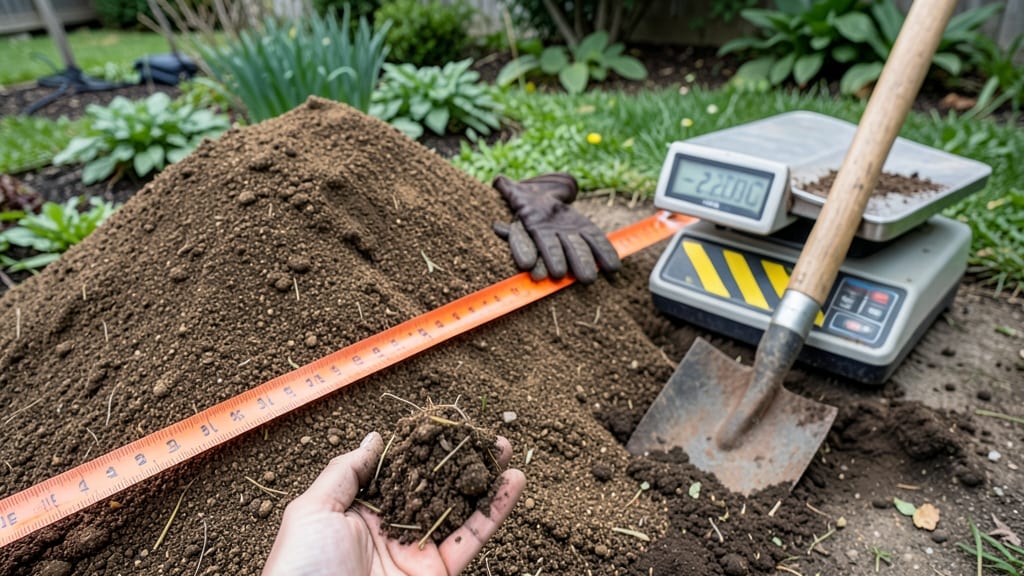
One cubic yard of topsoil typically weighs between 2,000 and 2,700 pounds, with variations based on moisture levels and how tightly packed the soil is. Understanding this range helps with hauling, project planning, and budgeting for soil delivery.
When you're planning a landscaping project, knowing the weight of your topsoil is crucial for choosing the right equipment and avoiding surprises. Moisture plays a huge role—wet soil can weigh nearly 50% more than dry soil, which is why contractors often test moisture before calculating loads.
For example, a dry, sandy topsoil might hover around 2,000 pounds, while clay-heavy or freshly watered soil can push closer to 2,700 pounds. This difference directly impacts truck capacity and transportation costs, so always confirm with your supplier or use an on-site moisture test if precision matters. 🔥
Beyond weight, compaction matters too. Loose, freshly tilled soil is lighter and easier to spread, while packed or settled soil adds bulk and weight.
If you're planning a large project, like filling a raised garden bed or leveling a yard, factoring in these variables ensures you order enough soil without overpaying for delivery.
Pro tip: ask your supplier for a weight-per-yard estimate based on your soil's current condition—it saves time and money down the line.
💡 In This Article
- Factors Affecting Topsoil Weight per Cubic Yard
- Topsoil Weight Calculator and Project Planning Tips
Factors affecting topsoil weight per cubic yard
Topsoil weight varies because its density depends on three key variables: moisture content, organic matter, and compaction. Moisture alone can swing the weight by up to 500 pounds—dry soil absorbs less water, while saturated soil holds extra pounds of liquid.
For example, a cubic yard of sandy loam (common for gardens) might weigh 2,200 lbs dry but balloon to 2,700 lbs when watered, as water fills the tiny air pockets between particles. 💧
The organic matter in topsoil—like decomposed leaves or compost—also plays a role. Organic-rich soil (like peat-heavy mixes) is lighter due to its spongy structure, while mineral-heavy soils (like clay) pack more tightly, increasing weight.
A clay-based topsoil can exceed 2,700 lbs per yard when damp, while a peaty mix might stay under 2,000 lbs even when moist. Compaction further tightens the soil, reducing air space and adding bulk—think of how a shovel of loose dirt feels lighter than a packed mound.
Here’s how porosity affects weight: Loose soil has 40-50% air space, making it lighter, while compacted soil shrinks that gap to 20-30%, increasing density.
For instance, freshly tilled garden soil might weigh 2,100 lbs, but after a few rains and foot traffic, it could hit 2,500 lbs in the same volume. This shift explains why contractors often test soil moisture before loading trucks—wet soil risks overloading vehicles or requiring extra trips. 🚛
Soil composition matters too. Sandy soils drain quickly and stay lighter, while clay soils hold water longer, adding weight. A silt-loam (balanced mix) typically lands around 2,300 lbs per yard, but if it’s 60% clay, it could push toward 2,600 lbs.
Even small variations—like 5% more clay—can add 50-100 lbs per yard. For precise projects (like construction), labs test bulk density (weight per volume) to predict weight accurately.
Temperature also sneaks in: Cold soil holds moisture differently than warm soil, altering weight. In winter, frozen topsoil might weigh less because ice displaces water, but thawing adds back the lost pounds.
This is why spring deliveries often require heavier trucks—soil expands as it warms. Understanding these factors helps avoid costly mistakes, like ordering too little soil or overpaying for delivery. 🌡️
For DIYers, a simple moisture test works: Grab a handful of soil—if water drips freely, it’s high-moisture (heavy); if it crumbles dry, it’s low-moisture (light).
Adjust your calculations accordingly. Suppliers sometimes provide weight ranges on their bags (e.g., "2,200–2,500 lbs per yard"), but always confirm—especially for large orders. 📏