
Light Requirements
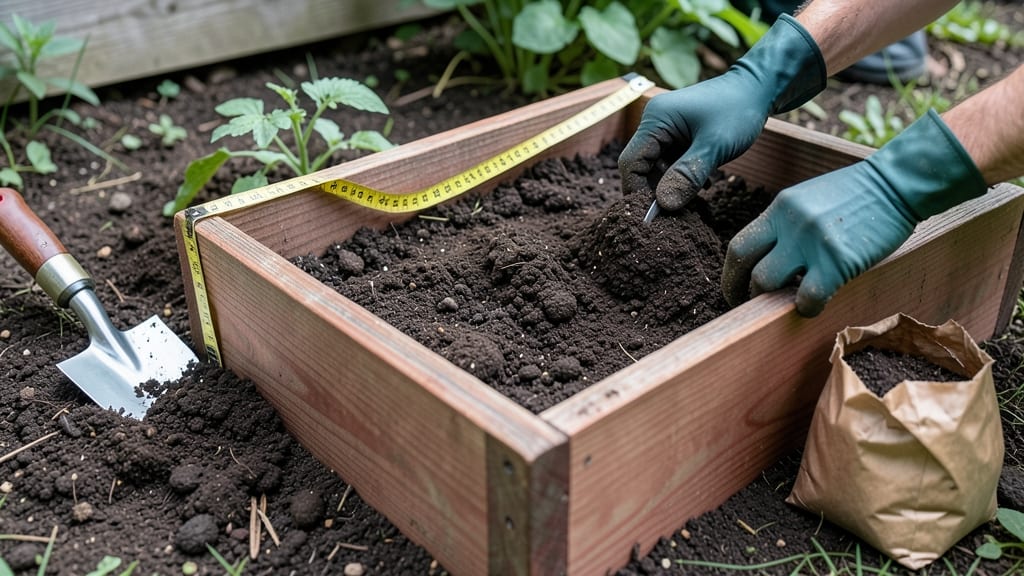
Calculating how much soil for a raised bed starts with multiplying the bed’s length, width, and depth (in feet), then converting cubic feet to cubic yards (1 cubic yard = 27 cubic feet). Most vegetable gardens thrive with 6–12 inches of soil, while deep-rooted crops like tomatoes need 18+ inches.
Figuring out the right amount of soil isn't just about measurements—it’s about matching your plants' needs to the space you’re creating. 🌱 For a 4x8-foot bed, for example, 12 inches of soil equals about 1.78 cubic yards, while 18 inches jumps to 2.67 cubic yards.
I always add an extra 10% to account for settling over time, especially if your garden gets heavy rain. The key is balancing drainage and root space: shallow-rooted herbs like basil do fine in 6 inches, but carrots and potatoes need that extra depth to grow properly.
Another pro tip? Mix your soil with compost or aged manure to improve fertility and structure. This isn’t just about filling space—it’s about creating a thriving ecosystem where your plants can access nutrients and water efficiently.
For example, a 4x4-foot bed with 12 inches of soil will need roughly 1 cubic yard of soil, but if you’re planting tomatoes, you might want to go deeper to support their heavy fruit production.
💡 In This Article
- Calculating Raised Bed Soil Volume by Depth and Dimensions
- Optimal Raised Bed Soil Depths for Different Plants
Calculating raised bed soil volume by depth and dimensions
To calculate soil volume accurately, start by measuring your raised bed’s length, width, and depth in feet—not inches. For example, a 4x8-foot bed with 12-inch soil depth becomes 4 ft × 8 ft × 1 ft (since 12 inches = 1 foot).
Multiply these numbers to get cubic feet: 4 × 8 × 1 = 32 cubic feet.
Divide by 27 (since 1 cubic yard = 27 cubic feet) to find you need 1.19 cubic yards of soil. 🌱 This method ensures precision, whether your bed is 2x4 feet or 10x12 feet.
The trick lies in adjusting for existing ground level. If your bed sits directly on grass or hardpan, subtract the height of any underlying material (e.g., cardboard or landscape fabric) from your depth measurement.
For instance, a 12-inch bed with 2 inches of grass underneath needs only 10 inches of soil (or 0.83 feet). Pro tip: Always round up to the nearest 0.25 cubic yards to account for settling—soil compresses over time, especially in heavy rain.
A 4x8-foot bed with 18 inches of soil actually requires 2.67 cubic yards, not 2.38.
Conversion formulas simplify the math. Use this quick reference:
- Cubic feet to cubic yards: ÷ 27
- Cubic yards to bags (2 cubic ft per bag): × 13.5
- Depth in inches to feet: ÷ 12
Soil type matters too. Topsoil compacts more than compost blends, so add 10–15% extra volume if using pure topsoil. For example, a 4x4-foot bed with 12 inches of topsoil needs 1.35 cubic yards (not 1.11).
Mixing in 30% compost reduces compaction, cutting your total volume by about 10%. Test your soil’s moisture retention—dry, sandy soil may need 20% more volume to hold water effectively for root growth.
Real-world adjustments are critical. If your bed has sloped sides (common in DIY designs), increase depth by 2–3 inches along the edges to maintain uniformity. For instance, a 4x8-foot bed with 12-inch sides but 10-inch center depth requires 1.33 cubic yards (not 1.19).
Always measure three points (corners and center) to account for uneven ground. This ensures consistent soil depth, which is vital for plants like tomatoes (needing 18+ inches) or strawberries (thriving in 6–12 inches).
Finally, factor in future expansion. If you plan to add layers (e.g., straw mulch or wood chips), account for their volume too. For example, a 1-inch layer of mulch over a 4x8-foot bed adds 0.22 cubic feet (or 0.01 cubic yards).
While small, these details add up—especially in large gardens. Precision here means healthier plants and fewer trips to the nursery for extra soil. 💫