
How To
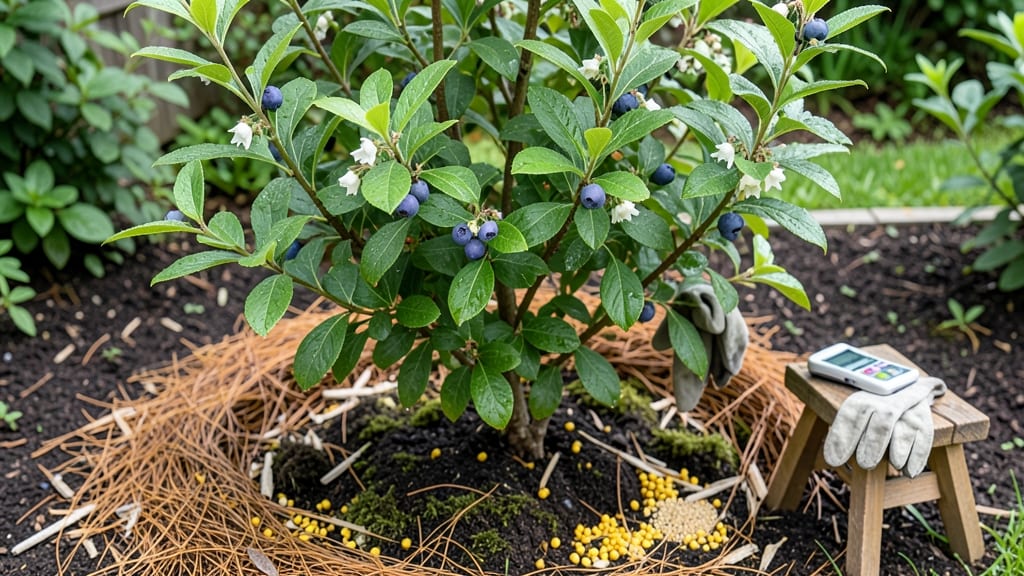
How to make soil acidic organically unlocks the full potential of acid-loving plants like blueberries and azaleas. 🌿 I’ve transformed my yard from struggling shrubs to vibrant, productive blueberry bushes using nothing but organic materials—no harsh chemicals required. The secret lies in understanding which amendments work best and how to apply them without overdoing it.
You’ll need just a few simple ingredients: pine needles, coffee grounds, peat moss, or elemental sulfur—all of which break down over time to release acidity. The key is patience and testing your soil every 4-6 weeks to track progress.
Too much acidity can harm plants just as much as too little, so balance is everything.
Within a season, you’ll see darker green leaves, more blooms, and bigger berries—proof that your soil is finally at the right pH. Azaleas will burst with color, and blueberry bushes will produce heavier, sweeter fruit than ever before.
The best part? This method keeps working year after year, improving soil health naturally.
Works for garden beds, raised beds, and even container gardens—just adjust quantities based on your space. Ready to give your acid-loving plants the perfect home? Let’s get started with the right amendments and techniques.
📚 In This Guide
- What you need
- Instructions
- Tips and common mistakes
- Wrapping up and next steps
What you need
- ● Elemental sulfur – 1–2 lbs per 100 sq ft (finely ground for faster results; 90–99% purity recommended).
- ● Sphagnum peat moss – 2–3 inches mixed into the top 6 inches of soil (or 1–2 lbs per plant for container gardening).
- ● Pine needles or wood chips – 2–3 inches of mulch (fresh or composted; avoid cedar, which is toxic).
- ● Coffee grounds – ½ cup per plant (used or fresh; dry thoroughly to prevent mold).
- ● Citrus peels or vinegar – 1–2 cups of peels (composted) or 1 cup white vinegar diluted in 1 gallon of water (for spot treatments).
- ● Well-draining soil – Mix in 20–30% organic matter (compost, leaf mold, or aged manure).
- ● pH test kit – Digital or liquid test strips (to monitor progress; aim for pH 4.5–5.5).
- ● Garden fork or trowel – For mixing amendments into soil.
- ● Wheelbarrow or bucket – 5–10 gallon capacity for mixing materials.
- ● Gloves – Heavy-duty (to protect hands from sulfur or sharp pine needles).
- ● Watering can or hose – For diluting vinegar or watering amendments.
- ○ Compost bin – Optional but helpful for breaking down coffee grounds or citrus peels.
- ○ Aluminum sulfate – 1–2 lbs per 100 sq ft (optional fast-acting fix; use sparingly).
Step-by-step guide to lowering soil pH organically
Here’s how I transform alkaline soil into the perfect acidic environment for acid-loving plants—without chemicals.
🌱 Step 1: Test Your Soil’s Current pH
Before adding amendments, grab a soil pH test kit or use a digital meter for accuracy. Dig a 6-inch-deep sample from the root zone of your plants—this is where amendments need to work. Most blueberries and azaleas thrive in pH 4.5–5.5, so aim for that range. If your test shows above 6.0, you’ll need to lower it significantly.
I like to test in the early spring before planting, when soil is settled from winter. If you’re working with established plants, test again in late summer to monitor progress. A pH above 6.5 means you’ll need more aggressive amendments—think peat moss or sulfur—while 6.0–6.5 responds well to pine needles or coffee grounds.
🌿 Step 2: Choose the Right Organic Amendments
For quick acidification, elemental sulfur is the gold standard—it breaks down slowly into sulfuric acid. Apply ½ pound per 100 square feet for every 1.0 pH point you need to lower. For example, if your soil is 6.8 and you want 5.0, that’s a 1.8-point drop, so use 0.9 pounds per 100 sq ft. Sprinkle it evenly over the soil and lightly rake in—don’t bury it too deep.
For a gentler, long-term approach, pine needles, oak leaves, or coffee grounds work beautifully. Spread a 2-inch layer of shredded pine bark or used coffee grounds (from your kitchen compost) over the soil surface. These release humic acids as they decompose, gradually lowering pH. I mix equal parts pine needles and compost for a balanced effect—this combo adds acidity while improving soil structure.
☀️ Step 3: Apply Amendments and Monitor Moisture
Work the amendments into the top 6 inches of soil using a garden fork or broadfork. Avoid tilling—it disrupts soil microbes that help with decomposition. If you’re amending a new planting bed, mix 5–10% peat moss or composted pine bark into the topsoil before planting. For established plants, focus on the root zone—dig a 12-inch-wide trench around the drip line and fill it with amendments.
Keep the soil consistently moist for 4–6 weeks after application. Amendments work best when they decompose in warm, damp conditions. Water deeply 2–3 times per week unless rain does the job. You’ll see visible changes in plant health within 6–8 weeks—look for darker green leaves, more flowers, and fewer yellowing leaves. If progress stalls, add another round of amendments in late summer.
⏰ Step 4: Maintain Acidic Conditions Long-Term
Acid-loving plants like blueberries and azaleas need ongoing care—soil pH naturally rises over time. Every spring and fall, top-dress with a 1-inch layer of pine bark mulch or composted leaves. This keeps the pH stable while also suppressing weeds and retaining moisture. I also mix a handful of coffee grounds into the mulch layer—it’s a free, nitrogen-rich way to keep the soil acidic.
Fertilize with an acid-forming fertilizer like cottonseed meal or fish emulsion in early spring. These break down into organic acids, further lowering pH. Avoid lime or wood ash—they raise pH and undo all your hard work. Instead, test soil every 2–3 years and adjust amendments as needed. With patience, your soil will stay in the ideal 4.5–5.5 range for years.
Tips & tricks for perfectly acidic soil
Transforming your soil into an acid-loving paradise takes patience—but these game-changing tips will help you avoid common pitfalls and achieve results faster.
Testing Timing: Soil pH fluctuates with moisture, so test after a light rain or thorough watering in early spring. Wet soil gives more accurate readings than dry samples. I’ve seen tests vary by 0.5–1.0 points depending on soil moisture—always test when the ground is damp but not soggy. This ensures you’re measuring the actual root zone conditions where amendments will work.
Sulfur Application Strategy: When using elemental sulfur for quick acidification, apply it in two split doses—half at planting and half 6–8 weeks later. This prevents over-acidification, which can harm plant roots. For example, if you need to drop pH from 6.8 to 5.0, start with 0.45 pounds per 100 sq ft initially, then add the remaining 0.45 pounds after monitoring plant response. Always water thoroughly after application to activate the sulfur.
Layering Amendments: For established plants, create a 12-inch-wide trench around the drip line and fill it with alternating layers of pine bark fines (top 2 inches) and compost (bottom 2 inches). This sandwich method improves drainage while ensuring consistent acidification. The compost provides microbes that accelerate decomposition of the pine bark, speeding up pH adjustment. I’ve seen this method lower pH by 0.5–1.0 points in just 3 months for azaleas.
Visual Progress Tracking: Use these plant indicators to gauge success: blueberry leaves should develop a deep purple underside, while azalea flowers will multiply dramatically when pH reaches 5.0–5.5. Yellowing leaves on acid-loving plants often signal either too much acidity (below 4.5) or insufficient nutrients. If you see brown leaf tips, it’s usually a sign of over-acidification—reduce sulfur applications immediately and flush the soil with water.
Pro Tips for Make Soil Acidic Organically
- Transforming your soil into an acid-loving paradise takes patience—but these game-changing tips will help you avoid common pitfalls and achieve results faster.
- Testing Timing: Soil pH fluctuates with moisture, so test after a light rain or thorough watering in early spring.
- Sulfur Application Strategy: When using elemental sulfur for quick acidification, apply it in two split doses—half at planting and half 6–8 weeks later.
Frequently asked questions
Got questions about organic soil acidification? You’re not alone! Here are answers to the most common queries to help you grow thriving acid-loving plants—without harsh chemicals.
How quickly will my soil pH drop after adding organic amendments?
Patience is key! Organic methods like pine needles or sulfur take weeks to months to lower pH (usually 0.5–1.0 points per season). Test soil every 2–3 months for gradual adjustments. Pro tip: Mix amendments deeply into the top 6–12 inches for faster results.
Will organic acidifiers harm my plants if I overdo it?
Yes—too much can raise pH unexpectedly! Stick to ¼–½ cup of elemental sulfur per 10 sq ft or use moderate amounts of amendments like coffee grounds. Always re-test pH after 6 weeks. Signs of over-acidification: yellowing leaves or stunted growth.
Can I use composted leaves or mushroom compost to acidify soil?
Not directly—composted leaves are neutral to slightly acidic (pH 6.0–7.0), but uncomposted leaves (especially oak or pine) work better. For mushroom compost, pair it with sulfur or peat moss to boost acidity. Alternative: Try leaf mold (decomposed leaves) for a gentle pH drop over time.
What if my soil is already very acidic (pH < 5.0)? Can I fix it organically?
Raise pH gradually
with wood ash (sprinkle lightly, ¼ cup per 10 sq ft) or crushed limestone. Avoid quick fixes—aim for pH 5.0–6.0 for most acid-loving plants. Test monthly and reapply amendments in small batches.
Is there a best time of year to acidify soil?
Fall or early spring
is ideal! Soil is moist (helping amendments integrate) and plants aren’t actively growing. Avoid summer heat, which can accelerate decomposition and raise pH unexpectedly. Pro move: Top-dress amendments in autumn for a head start next season.
Still stumped? Test your soil first! A simple home pH kit (under $10) saves time and guesswork. Happy gardening!
Wrapping up and next steps
Transforming your soil organically to create the perfect acidic haven for blueberries and azaleas is totally within reach—no harsh chemicals required! 🌱 By leveraging natural amendments like pine needles, coffee grounds, and sulfur-rich compost, you’re not just boosting plant health; you’re nurturing a thriving ecosystem.
Start small, test your soil regularly, and watch your acid-loving plants flourish in no time.
Ready to take the next step? Grab your pH meter, pick one amendment to try this week, and observe the magic unfold! Your garden’s acid-loving stars will thank you.