
Planting
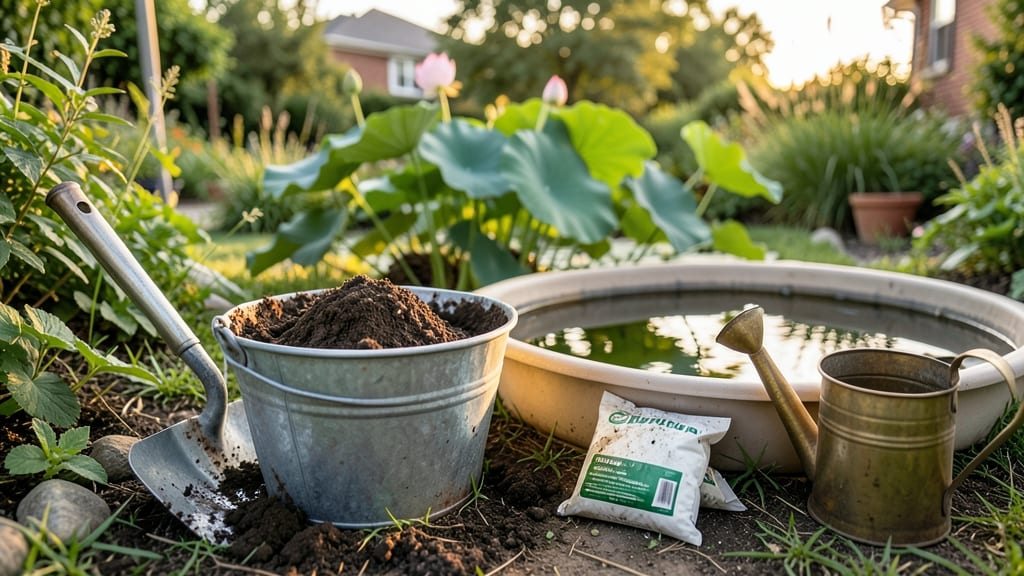
Preparing soil for lotus plants isn't just about dirt—it's about creating the perfect muddy loam that mimics their natural swampy homes. 🌿 I've learned the hard way that lotuses won't thrive in regular garden soil, no matter how rich it looks.
Their roots need deep, nutrient-rich, and slightly anaerobic conditions that most garden soils can't provide. The secret is a mix of 60% clay, 30% organic matter (like composted manure or leaf mold), and 10% coarse sand to improve drainage without letting oxygen lock out the roots.
Aim for a pH between 6.0 and 7.5—too acidic or alkaline, and your lotus will struggle to absorb nutrients. Test your soil first; adjusting pH might mean adding lime (for acidity) or sulfur (for alkalinity).
Once your mix is ready, create a 12-inch-deep planting hole filled with this special blend, then add a 2-inch layer of organic matter on top. Lotus roots need space to spread horizontally, so don't skimp on the depth.
Water it thoroughly before planting, but avoid standing water—lotuses hate soggy roots, not muddy ones. For tropical climates, this mix works year-round, but in temperate zones, you'll need to cover the soil with 4-6 inches of water during summer—just like their natural habitats.
If your soil stays too dry, amend it with more clay or peat moss to retain moisture without suffocating the roots.
📚 In This Guide
- What you need
- Instructions
- Tips and common mistakes
- Wrapping up and next steps
What you need
- ● Topsoil (or garden soil): 5–10 gallons (enough to fill a 6–12" deep layer in your container or pond area). Opt for loamy, clay-heavy soil with a pH of 6.0–7.5.
- ● Organic compost: 2–3 cups per square foot. Look for well-aged, peat-free compost to avoid compacting the soil.
- ● Sand (coarse or builder’s sand): 1–2 cups per 5 gallons of soil. Improves drainage without altering the muddy texture lotus roots love.
- ○ Perlite or vermiculite: ½ cup per 5 gallons (optional but helpful for aeration in containers).
- ● Lime (garden lime, not quicklime): 1–2 tablespoons per 5 gallons if your soil is acidic (test with a pH kit).
- ● Slow-release fertilizer (balanced 10-10-10 or aquatic plant fertilizer): 1 tablespoon per 5 gallons of soil.
- ● Garden trowel or spade: For mixing and layering soil.
- ● Wheelbarrow or large bucket: To blend materials easily (10+ gallons capacity).
- ● pH testing kit: Essential for checking soil acidity before planting.
- ● Gloves and knee pads: Because lotus soil prep is muddy business! 😉
- ● Watering can or hose: For moistening soil before planting.
- ● Algae control tablets: 1–2 tablets in containers to prevent green water buildup.
- ● Beneficial bacteria (e.g., Bacillus subtilis): 1 packet to boost root health.
- ● Mulch (straw or coconut coir): Light layer to retain moisture and suppress weeds.
Step-by-step guide to preparing soil for lotus plants
Lotus plants thrive in conditions that mimic their natural habitat—here's how to recreate that rich, nutrient-dense environment.
🌱 Step 1: Choose the Right Location
Lotus plants demand full sun exposure—at least 6-8 hours daily—so select a spot where the water level remains constant year-round. Avoid areas with fast-moving currents or deep shade, as these conditions stress the plant's delicate root system. I always test the water depth first by placing a ruler vertically—12-18 inches of standing water is ideal for most varieties.
If your pond is shallower than 12 inches, consider adding a sand and gravel base to create a deeper planting zone. This mimics the natural muddy loam where lotus roots naturally spread. The key is replicating the oxygen-rich, nutrient-dense conditions of their native wetlands.
💧 Step 2: Test and Amend the Soil
Lotus plants prefer clay-heavy, nutrient-rich soil with a pH between 6.0 and 7.5. Start by collecting a sample from the pond bottom—if it’s sandy or peaty, you’ll need to amend it. Mix in 2 parts garden soil, 1 part organic compost, and 1 part sand to improve drainage while retaining moisture.
For deeper ponds, I like to create a raised mud mound by layering 6 inches of compost mixed with 4 inches of garden soil and 2 inches of sand. This ensures the roots have access to both nutrients and oxygen. Avoid chemical fertilizers—they can burn the sensitive rhizomes. Instead, use well-aged manure or fish emulsion for a slow-release nutrient boost.
☀️ Step 3: Plant the Rhizomes Correctly
Plant lotus rhizomes in late spring or early summer when water temperatures reach 70°F or higher. Place the rhizome horizontally in the soil, with the buds facing upward—this encourages strong stem growth. Cover them with 2-3 inches of amended soil, pressing gently to secure them without compacting.
Space rhizomes 12-18 inches apart for smaller varieties and 24-36 inches apart for larger ones. The roots will spread aggressively, so give them room to establish. If planting in deeper water, anchor the rhizomes with lightweight rocks until they take hold—this prevents them from floating away before roots develop.
🌿 Step 4: Maintain Water and Nutrient Levels
Lotus plants require consistent water levels—never let the water drop below the soil surface, or the rhizomes will dry out. If your pond has seasonal fluctuations, install a water level alarm to alert you before the water gets too low. I also add a layer of aquatic plants around the edges to stabilize the soil and prevent erosion.
Fertilize lightly once a month during the growing season with liquid seaweed extract or diluted fish emulsion. Over-fertilizing can lead to excessive leaf growth at the expense of flowers. Watch for yellowing leaves—this usually signals a nutrient deficiency, not overwatering. Adjust your fertilizer accordingly, but always keep the water clean and oxygenated.
⏰ Step 5: Monitor and Adjust for Seasonal Changes
In fall, as temperatures drop below 50°F, lotus plants enter dormancy. Reduce fertilization and let the foliage die back naturally—this protects the rhizomes from winter stress. In early spring, once water temperatures rise to 60°F, trim any dead leaves and add a thin layer of compost to refresh the soil.
If your pond freezes in winter, avoid disturbing the plants. The rhizomes are hardy and will survive beneath the ice. In warmer climates, lotus plants may grow year-round, but they still benefit from a light pruning in late winter to encourage new growth. The goal is to balance nutrients, water, and sunlight—when you get it right, you’ll see vibrant blooms by mid-summer.
Tips & tricks for perfect lotus plant soil preparation
Creating the ideal environment for lotus plants isn't just about following steps—it's about understanding the subtle details that make all the difference. Here's what I've learned after watching my own lotus gardens transform from struggling plants to vibrant bloomers.
Location Precision: When testing water depth with that 12-18 inch guideline, use a clear ruler marked in 1/4 inch increments for accuracy. I've seen ponds that appear to have 16 inches of water at the edges but only 10 inches in the center—this subtle variation can stress lotus roots. Consider using a weighted measuring tape that floats vertically to get precise readings across your entire planting area. The goal is uniform depth throughout your planting zone, as lotus roots spread horizontally and need consistent moisture.
Soil Layering Technique: For that raised mud mound in deeper ponds, I recommend creating a "sandwich" effect with your 6 inches of compost, 4 inches of garden soil, and 2 inches of sand. Start with a 2-inch sand base to improve drainage, then add the soil-compost mix, finishing with another 2-inch sand layer on top. This prevents compaction while maintaining the right texture for root development. The sand layers also help prevent the mound from eroding when water levels fluctuate. Think of it as creating a stable foundation that mimics the natural riverbeds where lotus plants thrive.
Seasonal Temperature Watch: The 70°F water temperature threshold for planting isn't just about summer readiness—it's about avoiding early-season chills. I've found that planting too early, even with warm air temperatures, can lead to poor root establishment if the water stays below 70°F. Use a floating thermometer in your pond for a week before planting to track daily fluctuations. Morning temperatures are often cooler, so aim for consistent afternoon readings above 70°F before you begin. This small precaution has saved me from having to replant struggling rhizomes in multiple seasons.
Winter Care Insight: That light pruning recommendation in late winter isn't just about aesthetics—it's about stimulating new growth. When you trim back the dead foliage, you're actually creating fresh growth points that will emerge stronger in spring. I like to use clean, sharp pruners to make clean cuts about 1-2 inches above the soil line. This practice also helps prevent disease by removing any potential pathogens that might have overwintered in the dead foliage. The key is timing: wait until you see new shoots beginning to emerge before doing your final pruning, usually when water temperatures hit that 60°F threshold mentioned in the instructions.
Pro Tips for Prepare Soil For Lotus Plant
- Creating the ideal environment for lotus plants isn't just about following steps—it's about understanding the subtle details that make all the difference.
- Location Precision: When testing water depth with that 12-18 inch guideline, use a clear ruler marked in 1/4 inch increments for accuracy.
- Soil Layering Technique: For that raised mud mound in deeper ponds, I recommend creating a "sandwich" effect with your 6 inches of compost, 4 inches of garden soil, and 2 inches of sand.
Frequently asked questions
Got questions about prepping the perfect home for your lotus plant? You’re not alone!
Here are the most common concerns—and straightforward answers—to help you grow stunning blooms with confidence.
Can I grow lotus plants in regular garden soil?
Not ideal! Lotus plants thrive in deep, nutrient-rich, and slightly alkaline soil with high organic matter. Regular garden soil is often too dense or lacks the required minerals. Mix in compost, sand, and clay to mimic their natural muddy loam habitat. For container growing, use a blend of 50% clay, 30% sand, and 20% organic matter.
How long does it take for soil to settle before planting?
Patience is key! After amending your soil, let it settle for at least 2–4 weeks to allow nutrients to integrate. If planting in a pond or container, wait until the water is calm and clear (about 1–2 weeks) to avoid disturbing the roots. Pro tip: Test soil pH (aim for 6.0–7.5) before planting to ensure optimal conditions.
Do lotus plants need standing water, or can they grow in moist soil?
Lotus plants love shallow water (3–6 inches deep) but can adapt to moist, well-drained soil if you’re not near a pond. For soil-grown lotuses, keep the root zone consistently damp (not soggy) and mulch heavily to retain moisture. Warning: Roots rot quickly in waterlogged conditions—ensure good drainage!
What’s the best alternative if my soil is too sandy or clay-heavy?
Adjust your soil mix to balance texture:
Sandy soil? Add 30% compost + 20% clay to retain moisture.
Clay-heavy soil? Mix in 50% sand + peat moss for drainage.
No pond access? Use a large container with a water layer (6+ inches) and a soil base.
Pro tip: Test drainage by filling a hole with water—if it drains in 1–2 hours, you’re golden!My lotus leaves are yellowing—is it the soil or something else?
Yellow leaves often signal nutrient deficiency, poor drainage, or root rot. Check:
- Soil pH: Too acidic (below 6.0)? Add lime.
- Water depth: Too deep? Shallow it to 3–4 inches.
- Fertilizer: Feed with balanced aquatic plant food (10-10-10) every 4–6 weeks.
Wrapping up and next steps
Preparing the perfect soil for your lotus plant is all about patience, balance, and a deep understanding of their muddy roots' needs. 🌱 By following these steps—clearing debris, enriching with organic matter, ensuring proper drainage, and maintaining the right pH—you’ll create an ideal home for your lotus to thrive.
Remember, healthy soil today means stunning blooms tomorrow!
Now that you’re armed with the knowledge, roll up your sleeves and get planting! Start small with a test patch, monitor your lotus’s progress, and adjust as needed. Happy gardening—your aquatic beauty is waiting to reward you with breathtaking blooms! 🌸