
Companion Plants
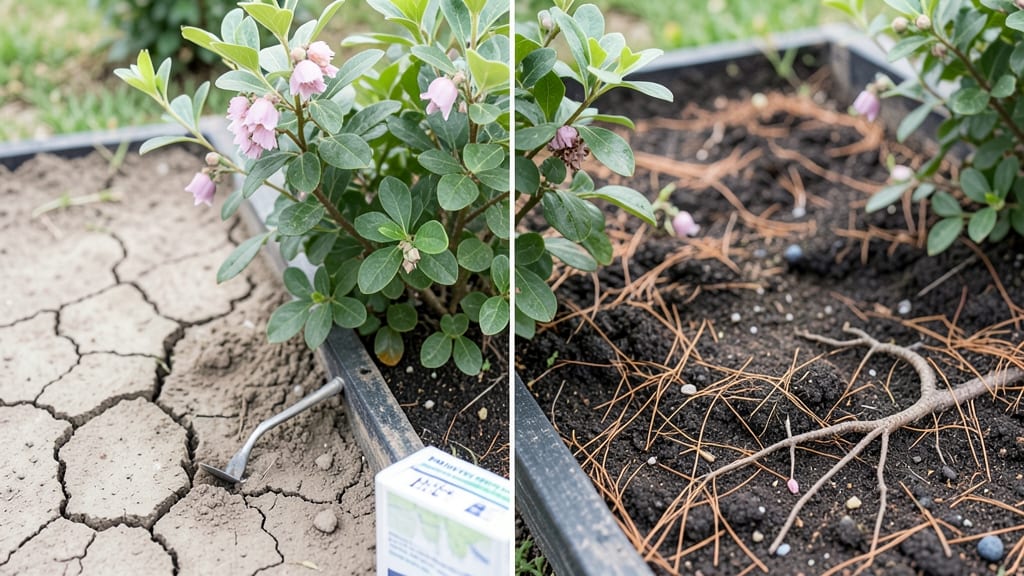
Clayey soil is good for plants that thrive in dense, moisture-retentive conditions—like willows, poplars, and roses—but struggles with root growth for shallow-rooted varieties due to poor drainage and compaction. Amending with organic matter helps improve its texture for most crops.
Clay soil holds nutrients exceptionally well, making it ideal for heavy feeders like fruit trees and flowering shrubs. 🌱 The catch? Its dense structure can suffocate roots, especially for plants needing quick water drainage.
I’ve seen gardeners transform clay into a powerhouse by mixing in compost or sand—this opens up space for roots while keeping moisture where it’s needed. The key is matching your plants to the soil’s natural strengths.
For example, hydrangeas and peonies love clay’s moisture, while tomatoes or lettuce may struggle without amendments. Testing your soil’s pH can also reveal hidden nutrient locks—clay often binds phosphorus, limiting plant access. A simple soil test and targeted organic matter can turn clay from a challenge into a garden asset.
💡 In This Article
- How Clay Soil Affects Root Growth and Nutrient Uptake
- Top Plants for Heavy Clay Soil vs. Those to Avoid
How clay soil affects root growth and nutrient uptake
Clay soil's microscopic structure—made of tiny, flat particles packed tightly together—creates a dense matrix that holds up to 40% more water than sandy soil.
This moisture retention is a double-edged sword: while it keeps nutrients like nitrogen and phosphorus available for longer, the same density that traps water also restricts oxygen flow.
Roots in clay soil often suffocate because oxygen levels can drop below 5% by volume (healthy soil needs at least 10-20% for proper respiration). 🌱
The compacted nature of clay soil forces roots to grow in narrow, horizontal patterns rather than deep vertical expansion. This explains why deep-rooted plants like asparagus or artichokes struggle—their roots can't penetrate the dense layers.
The soil's high cation exchange capacity (CEC) means it binds nutrients tightly, but this also makes them less accessible to plants. For instance, phosphorus becomes "locked" in clay's mineral lattice, often requiring soil pH adjustments (ideal range: 6.0-7.0) to release it for uptake.
Waterlogging is another critical issue in clay soil. When saturated, clay becomes almost impermeable, creating anaerobic conditions that produce toxic hydrogen sulfide gases. This is why plants like blueberries (which need acidic, well-drained soil) fail miserably in pure clay.
The solution lies in creating macropores through amendments—adding 3-4 inches of compost or 10% coarse sand can improve drainage by 30-50% while maintaining moisture retention.
Root systems adapt differently based on species. Willows and poplars develop extensive lateral roots that spread just below the surface, taking advantage of clay's moisture. In contrast, shallow-rooted herbs like thyme or oregano may show stunted growth because their fine roots can't access sufficient oxygen.
The key is selecting plants whose natural growth habits match clay's constraints—or modifying the soil to meet their needs.
One surprising benefit of clay soil is its natural weed suppression. The dense structure makes it difficult for annual weeds to establish deep roots, creating a more stable environment for perennials.
However, this advantage disappears if the soil becomes too compacted—test this by pressing your thumb into moist soil; if it leaves no imprint, it's likely too dense. Adding organic matter like leaf mold or worm castings can improve structure by 15-25% within a growing season.
For gardeners working with clay, understanding these trade-offs is crucial. The soil's high fertility potential makes it ideal for nutrient-hungry plants when properly managed, but its physical limitations require strategic planning.
A simple soil test can reveal specific deficiencies—such as low magnesium—which clay often binds tightly. Addressing these through targeted amendments transforms clay from a gardening challenge into a productive growing medium.