
Tools
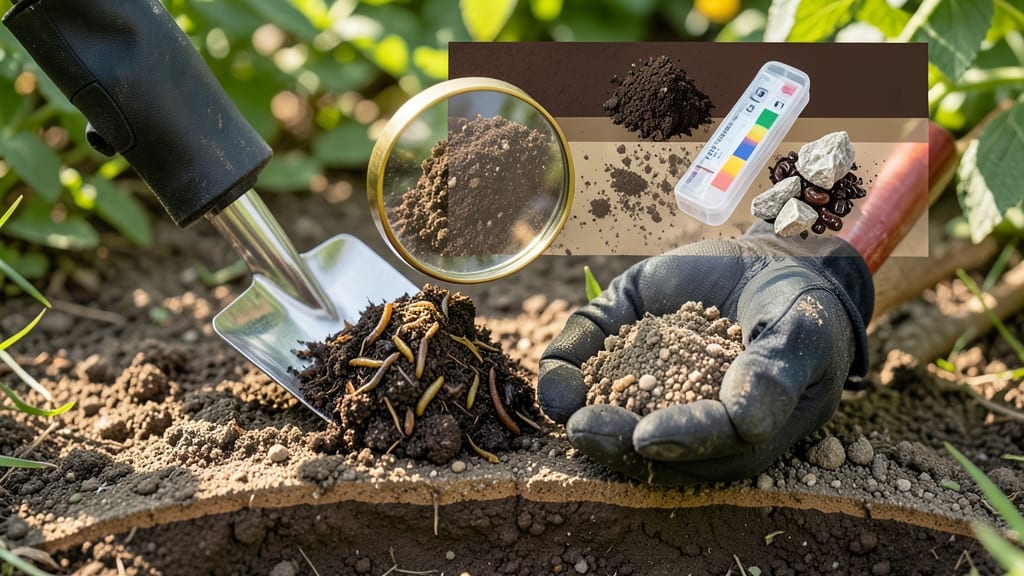
Garden soil and topsoil are not the same thing: garden soil blends topsoil with compost, sand, or other amendments to meet specific plant needs, while topsoil is the natural, nutrient-rich upper layer of earth (0-6 inches deep) that's perfect for planting directly.
Garden soil is essentially a customized mix designed to address specific growing challenges, whether that's improving drainage, adding nutrients, or adjusting pH levels. 🌱 Unlike topsoil, which occurs naturally in the top layer of soil, garden soil is often formulated with additives like perlite, peat moss, or worm castings to create the ideal environment for different plants.
For example, a vegetable garden might need soil with higher organic matter content, while a drought-prone area could benefit from a blend that retains moisture better.
When deciding which to use, consider your project's needs: topsoil is best for leveling new garden beds or establishing lawns, while garden soil shines when you're planting vegetables, flowers, or shrubs that need tailored nutrition.
Many gardeners start with topsoil as a base and then amend it with garden soil to create the perfect growing medium for their specific plants.
💡 In This Article
- What Makes Topsoil Different From Regular Garden Soil
- Choosing Between Topsoil and Garden Soil for Your Plants
What makes topsoil different from regular garden soil
Topsoil forms naturally through centuries of organic decomposition, weathering, and microbial activity in the top 6 inches of earth. It contains 5-10% organic matter—decayed leaves, roots, and microorganisms—that provides essential nutrients like nitrogen, phosphorus, and potassium.
This layer is where most plant roots thrive because it holds 25-30% more moisture than subsoil and supports beneficial fungi and bacteria that break down nutrients into plant-available forms. 🌱
The particle composition of topsoil typically includes 40-60% minerals (sand, silt, clay), 5-10% organic matter, and 25-30% pore space for air and water movement.
In contrast, garden soil is an engineered blend that might include 20-40% compost, 10-30% perlite or vermiculite for aeration, and 5-15% sand to improve drainage.
For example, a tomato garden mix might contain 30% compost for fertility and 20% perlite to prevent root rot, while topsoil would never include these additives—it's purely natural.
Microbial activity is another key difference: topsoil contains 1 billion to 1 trillion microorganisms per gram, including bacteria, fungi, and protozoa that decompose organic matter and release nutrients. Garden soil's microbial population depends on the amendments added—compost boosts beneficial microbes, while synthetic fertilizers can reduce diversity.
This is why garden soil often outperforms topsoil for container plants or high-value crops that need consistent nutrition. 🔬
Texture plays a critical role too. Topsoil's natural structure varies by location—sandy topsoil drains quickly but lacks moisture retention, while clay-heavy topsoil holds water but can become compacted.
Garden soil blends are designed to balance these extremes, often creating a loamy texture (equal parts sand, silt, and clay) that's ideal for most plants. For instance, a 1:1:1 blend of topsoil, compost, and perlite creates perfect conditions for herbs that need well-draining yet fertile soil.
One often-overlooked factor is pH balance. Topsoil's pH varies naturally (typically 6.0-7.5), while garden soil can be adjusted with lime (to raise pH) or sulfur (to lower it).
Acid-loving plants like blueberries (pH 4.5-5.5) would struggle in unamended topsoil but thrive in a garden soil mix with peat moss and sulfur. This customization makes garden soil the better choice for specialty plants that have specific pH requirements. 🌿
Finally, consider the cost and availability. Topsoil is usually $10-$25 per cubic yard and requires heavy machinery to move, while garden soil blends cost $20-$50 per cubic yard but can be mixed in smaller batches.
For large-scale projects like lawns or new garden beds, topsoil is more economical, but for high-value plantings, the investment in garden soil often pays off through better yields and healthier plants. 💰