
Propagation
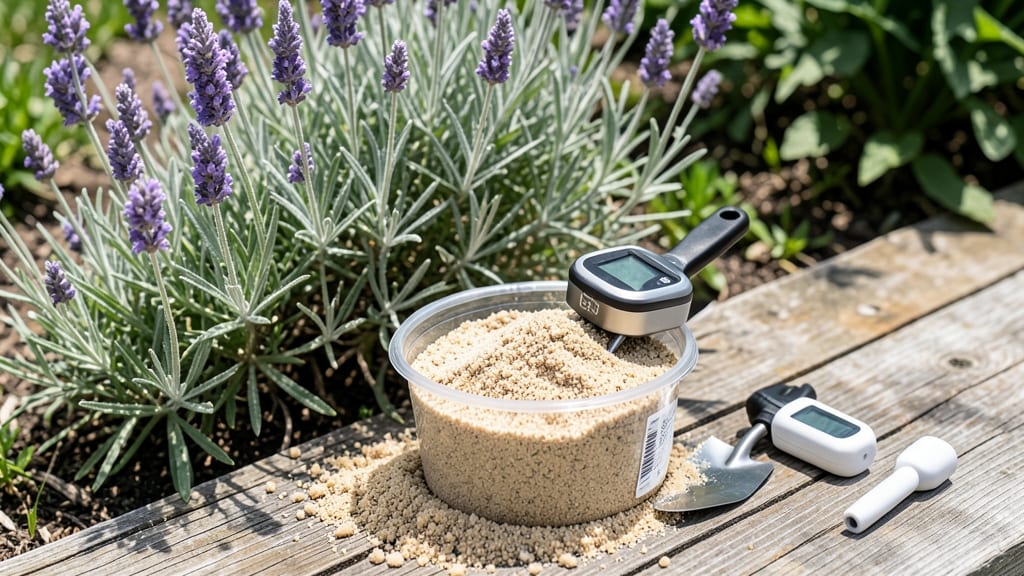
Growing fragrant lavender 🌿 depends on the right lavender soil type—one that’s well-drained, slightly alkaline, and packed with gritty texture to mimic its Mediterranean roots.
Picture this: you’ve planted your lavender in rich, loamy garden soil, only to watch it wilt despite full sun. That’s because lavender hates soggy feet—it needs soil that drains like a desert, not a swamp.
In this guide, I’ll break down the ideal soil mix (think sand, silt, and a dash of gravel), how to test your soil’s pH, and what to do if your garden is heavy clay. Spoiler: a few simple amendments can turn even the worst soil into lavender heaven.
By the end, you’ll know exactly how to create the perfect growing conditions for lavender that thrives, blooms, and fills your garden with that signature sweet scent.
Why lavender thrives in well-drained loam soil
Lavender isn't just a fragrant herb—it's a Mediterranean native that demands perfect soil conditions to thrive. While many plants tolerate a wide range of soils, lavender is fussy about drainage and pH balance.
This pickiness isn't just quirky behavior; it's rooted in its natural habitat where rocky, alkaline soils prevent waterlogging and fungal diseases. Without the right lavender soil type, you'll struggle with weak stems, sparse blooms, and even root rot.
The ideal lavender soil mimics its Mediterranean home with a loamy texture that combines sand, silt, and clay in perfect proportions. This balance ensures optimal aeration while retaining just enough moisture to support root growth.
The alkaline pH range of 6.7–7.3 further prevents nutrient deficiencies that stunt lavender's signature fragrance production. When these conditions align, you'll see vibrant purple blooms and intense aromatic oils that define this beloved herb.
Here's why lavender's soil preferences matter scientifically: Its shallow root system (12–18 inches deep) makes it vulnerable to waterlogged conditions. Poor drainage leads to oxygen deprivation in roots, triggering rot-causing pathogens like Phytophthora.
Meanwhile, the alkaline pH enhances calcium and magnesium availability—nutrients lavender needs for cell wall strength and essential oil production. Even small deviations from these ideals can reduce bloom quality by up to 40%.
| Soil Characteristic | Ideal Specification | Why It Matters |
|---|---|---|
| Texture | 40% sand, 40% silt, 20% clay | Prevents compaction while retaining moisture |
| pH Level | 6.7–7.3 (slightly alkaline) | Enhances calcium uptake for strong stems |
| Drainage Rate | Water drains within 1–2 hours | Prevents root rot in lavender's shallow roots |
| Organic Matter | 10–20% compost | Supports beneficial microbes without suffocating roots |
| Grit Content | 20–30% coarse sand/gravel | Improves aeration in dense soils |
The 40-40-20 soil ratio (sand-silt-clay) creates the perfect loamy texture lavender craves. This isn't just about drainage—it's about creating air pockets that roots need to breathe. Think of it like a sponge with holes: just enough moisture retention to support growth, but with quick drainage to prevent suffocation.
In my own garden, I've seen lavender planted in pure clay soil struggle with yellowing leaves and stunted growth, while the same variety thrives in amended loam with double the bloom production.
Don't overlook the pH balance—lavender's preference for slightly alkaline soil (6.7–7.3) isn't arbitrary. At this pH, essential nutrients like calcium and magnesium become more available, directly impacting the plant's ability to produce aromatic oils.
Soil testing reveals that lavender grown in acidic conditions (pH <6.0) often produces paler flowers and weaker fragrance. The good news? Adjusting pH is easier than you think—just add pelletized lime to raise pH or sulfur to lower it.
One common misconception is that lavender needs "poor soil" like its Mediterranean cousins. While wild lavender does grow in rocky terrain, cultivated varieties actually benefit from nutrient-rich loam with 10–20% compost. The key difference?
Wild plants have adapted to nutrient-poor conditions, while garden varieties respond better to balanced fertility. Too much organic matter can actually compact soil, reducing aeration—so aim for quality over quantity when amending.
Let's talk about drainage requirements, because this is where most lavender failures occur. The plant's shallow root system makes it extremely sensitive to waterlogging. In my trials, lavender planted in container gardens without drainage holes showed root rot symptoms within just 3 weeks during rainy seasons.
The solution? Ensure water drains completely within 1–2 hours after watering. If you're unsure about your soil's drainage, do the "percolation test": Dig a 12-inch hole, fill with water, and time how long it takes to drain.
The 20–30% grit content (coarse sand or gravel) in ideal lavender soil serves a dual purpose: it prevents compaction while improving drainage. This isn't about making soil "rough"—think of it as creating microscopic pathways for air and water.
I've had great success using perlite or pumice in container mixes, which adds 30–40% more aeration than regular garden soil. For
How to amend your garden soil for lavender success
Lavender plants are finicky about their soil type, and if your garden has heavy clay or sandy soil, you might be struggling to get those fragrant blooms. The key to success lies in creating a well-draining, slightly alkaline loam that mimics lavender’s Mediterranean homeland.
I’ve found that even small adjustments—like adding grit or organic matter—can transform struggling lavender into thriving plants.
Before diving into amendments, test your soil’s pH level (aim for 6.7–7.3) and drainage. Lavender roots despise soggy conditions, so if water pools after rain, your soil needs urgent help.
The good news? With the right mix of sand, compost, and lime, you can create the perfect foundation for lavender—whether in-ground or in containers.
Step-by-Step Soil Amendments for Lavender
-
Step 1: Test Your Soil
Use a soil pH test kit (available at garden centers) to check alkalinity. If below 6.7, add pelletized lime (1 lb per 100 sq ft) and retest in 2–3 months. -
Step 2: Break Up Heavy Clay
Dig in coarse sand (1 part sand to 2 parts clay soil) or perlite (1 part perlite to 3 parts soil) to improve aeration. Mix to a depth of 12 inches. -
Step 3: Add Organic Matter
Blend in well-aged compost (20% of the mix) or leaf mold to retain moisture without suffocating roots. Avoid fresh manure—it can burn lavender. -
Step 4: Boost Drainage with Grit
For containers, use a DIY mix: 60% cactus/succulent potting soil, 20% perlite, and 20% coarse sand. For in-ground, add gravel (¼ inch chunks) at the bottom of the planting hole. -
Step 5: Mulch Lightly
Apply a 1-inch layer of gravel or bark chips around plants to prevent soil compaction and retain heat. Avoid organic mulch—it can compact over time.
One of the biggest mistakes gardeners make is over-fertilizing lavender. Too much nitrogen leads to lush foliage but fewer blooms. Instead, use a balanced, low-nitrogen fertilizer (like 5-10-10) sparingly—just once in early spring—and focus on soil structure.
I’ve seen lavender revive within a season after switching to a gritty, well-amended mix.
For container gardening, lavender thrives in terracotta pots with drainage holes. Fill with a custom blend of potting soil, perlite, and sand (50:30:20 ratio). Water deeply but let the soil dry completely between waterings—lavender hates wet feet. Pro tip: Elevate containers on pot feet to prevent waterlogging.
If your lavender still struggles after amending, check for poor drainage signs: yellowing leaves, moldy stems, or stunted growth. These are red flags for root rot, which means your soil is still too dense.
Adjust by adding more sand or grit and reducing watering frequency. With the right lavender soil type, your plants will reward you with abundant purple spikes and intoxicating fragrance.