
How To
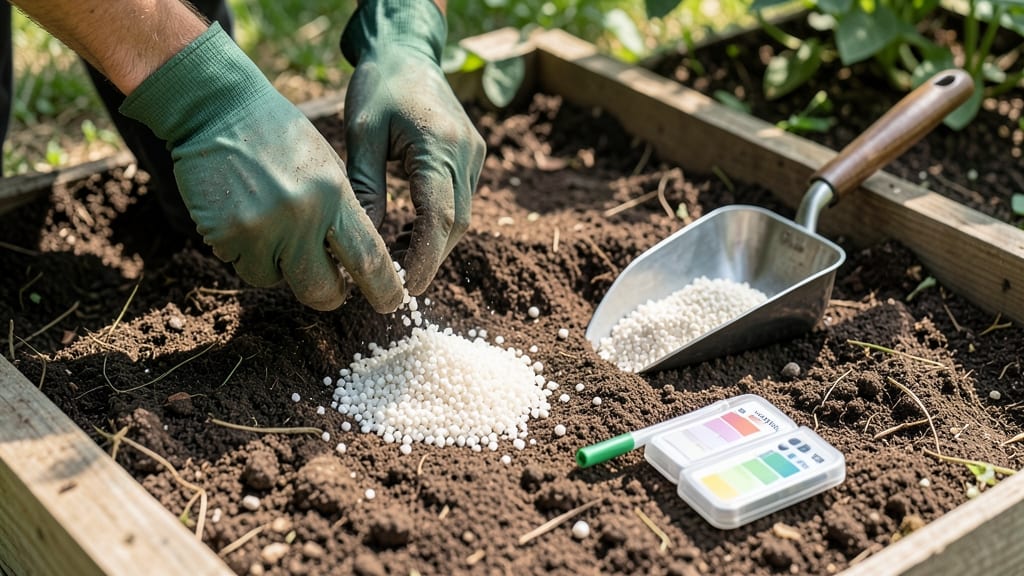
Your blueberries and azaleas are begging for lime for soil treatment—and that’s exactly what they need. 🌿 I learned the hard way that acidic soil isn’t just a preference for these plants; it’s survival.
Without the right balance, you’ll end up with yellowing leaves and stunted growth no matter how much you water or fertilize.
The key is choosing the right type of lime—dolomitic for magnesium-rich soil or garden lime for a quick pH boost. Start by testing your soil’s pH (aim for 4.5–5.5 for acid-lovers). Most garden centers sell test kits, or send a sample to a lab for precise results.
Once you know your starting point, you can calculate exactly how much lime to apply—usually 5–10 pounds per 100 square feet, depending on how far your soil’s pH is from ideal.
Spread the lime evenly over the soil surface in early spring or fall, then water it in lightly. Within 4–6 weeks, your plants should show signs of recovery—darker green leaves, stronger stems, and even more blooms.
The transformation is shocking how fast it happens when you get the timing and amount right.
Here’s the secret: don’t overdo it. Too much lime can make the soil too alkaline, which is just as harmful. And always apply it before planting new acid-lovers—it takes time to work its magic.
With this method, your blueberries and azaleas will thrive like they’re in a nursery, not your backyard.
📚 In This Guide
- What you need
- Instructions
- Tips and common mistakes
- Wrapping up and next steps
What you need
- ● Garden lime (calcium carbonate, CaCO₃) – 5–10 lbs per 100 sq ft (adjust based on soil pH test results). Pelletized lime is easiest to spread and less dusty.
- ● Soil pH test kit – Essential to determine how much lime to apply (target pH: 4.5–5.5 for blueberries/azaleas).
- ● Garden gloves – Recommended to protect your hands from dust and rough soil.
- ● Watering can or hose – For light irrigation after application.
- ● Garden rake or broadcast spreader – For even distribution of lime.
- ● Garden trowel or shovel – To mix lime into the top 2–3 inches of soil.
- ○ Wheelbarrow or bucket – For measuring and transporting lime (optional but helpful).
- ○ Protective eyewear – Optional but wise if working with powdered lime.
- ● Test soil pH first – Lime only if pH is below 5.5 (over-lime raises pH too much!).
- ● Choose the right time – Apply lime in early spring or fall for best results.
- ● Work on dry soil – Avoid applying lime if rain is forecasted for 24–48 hours.
How to apply lime for soil treatment in acid-loving gardens
Here's my straightforward method for balancing soil pH—tested across blueberry bushes and azalea beds.
🌱 Step 1: Test Your Soil First
Before adding lime, grab a soil pH test kit from your local garden center. Acid-loving plants like blueberries and azaleas thrive in soil with a pH between 4.5 and 5.5. Dig a small hole about 6 inches deep and collect soil samples from different spots in your garden bed. Follow the kit instructions to determine your current pH level.
If your soil pH is above 5.5, you'll need to lower it with lime. But if it's already below 4.5, adding lime could harm your plants by making the soil too alkaline. Here's the thing—lime raises pH, so if your soil is already acidic enough, you might need to add organic matter like peat moss instead.
🌱 Step 2: Choose the Right Type of Lime
For blueberries and azaleas, pelletized lime or agricultural lime (calcium carbonate) is the best choice. Avoid dolomitic lime, which contains magnesium and can raise pH too quickly. Pelletized lime dissolves more slowly, giving you better control over the pH adjustment process. You'll need about 2-4 pounds of lime per 100 square feet of garden bed, depending on how acidic your soil is.
Spread the lime evenly over the soil surface using a broadcast spreader or by hand. Lightly work it into the top 2-3 inches of soil with a rake or hoe. Don't till it in too deeply—you want it to mix with the top layer where your plants' roots will absorb it. Water the area lightly after applying the lime to help it settle into the soil.
💧 Step 3: Water and Wait for Results
After applying lime, water your garden bed thoroughly to help the lime dissolve and spread evenly through the soil. This process can take 4-6 weeks for the pH to stabilize, so be patient. During this time, monitor your plants closely. If leaves start turning yellow or brown, it could be a sign of over-liming or other issues like nutrient deficiencies.
Here's the trick—re-test your soil pH after 4-6 weeks to see how much the lime has adjusted it. If the pH is still too high, you may need to apply a bit more lime. But if it's now in the ideal range of 4.5-5.5, you're good to go. Remember, lime takes time to work, so don't rush the process.
✂️ Step 4: Maintain Soil pH Over Time
Soil pH isn't static—it changes over time due to rain, organic matter breakdown, and plant uptake. To keep your blueberries and azaleas thriving, re-test your soil every 1-2 years and reapply lime as needed. A little maintenance goes a long way in keeping your garden's pH balanced. If you notice new growth slowing down or leaves turning yellow, it might be time for another test and adjustment.
For ongoing care, consider adding sulfur to lower pH if it starts creeping up again. Sulfur is the opposite of lime and can help keep your soil in the ideal acidic range. Use it sparingly—too much sulfur can make the soil too acidic, which is just as harmful as being too alkaline.
Tips & tricks for perfect soil pH adjustment
Balancing your garden's pH takes patience and precision—here's how to avoid common pitfalls and get it right the first time.
Test Thoroughly in Step 1: When collecting soil samples, take them from multiple spots in your garden bed, not just one area. Soil pH can vary dramatically even within a small space. I've seen cases where one side of a bed was perfect at 4.8 while the other was dangerously high at 6.2—never assume uniformity! Collect at least 5-6 samples and average the results for accuracy.
Lime Application Precision: The 2-4 pounds per 100 square feet range is your guide, but don't eyeball it. Use a spreader for even distribution, and consider dividing the area into quarters to apply more precisely. Too little lime won't adjust pH enough, while too much can create alkaline shock that damages roots. For heavily compacted soil, you might need slightly more—just work it into the top 2-3 inches as directed.
Monitor Plants During the 4-6 Week Wait: While waiting for pH stabilization, watch for subtle signs of stress. New leaves turning yellow along the edges (not just tips) often signals over-liming. If you see this after 2-3 weeks, you may have applied too much. Remember, lime works slowly—don't panic if changes aren't immediate. A quick soil test after 3 weeks can give you early feedback if you're concerned.
Sulfur Strategy for Maintenance: If you find yourself adding sulfur more often than lime, your soil might be naturally acidic. In this case, focus on building organic matter with compost instead of constantly adjusting pH. The ideal balance comes from understanding your soil's natural tendencies—some gardens need more maintenance than others, and that's okay!
Pro Tips for Lime For Soil Treatment
- Balancing your garden's pH takes patience and precision—here's how to avoid common pitfalls and get it right the firs...
- Test Thoroughly in Step 1: When collecting soil samples, take them from multiple spots in your garden bed, not just o...
- Lime Application Precision: The 2-4 pounds per 100 square feet range is your guide, but don't eyeball it. Use a sprea...
Frequently asked questions
Got questions about using lime for soil treatment?
Here are some of the most common concerns—plus straightforward answers to help you get it right!
How often should I lime my soil for acid-loving plants like blueberries and azaleas?
Test your soil first! If the pH is below 5.0, apply lime every 1–2 years to maintain the ideal range (4.5–5.5). Over-liming can raise pH too high, harming your plants. Soil test kits make this easy!
Can I use regular lime (like from the grocery store) for soil treatment?
No—never use food-grade lime (calcium carbonate) for soil! You need agricultural lime (calcium carbonate or dolomitic lime), which is coarser and designed to adjust soil pH. Check the label for "soil amendment" or "garden lime" to avoid mistakes.
When is the best time to apply lime to my garden?
Apply lime in early fall or late winter (before planting season) to give it time to react with the soil. Avoid applying right before planting—it can take 2–3 months to fully adjust pH. For established gardens, spread it evenly and water it in lightly.
What if my soil is already too alkaline? Can I fix it?
If your soil’s pH is too high (above 7.0), lime won’t help—you’ll need to lower pH instead. Try adding sulfur, peat moss, or pine needles (organic matter breaks down into acids). For quick fixes, use elemental sulfur (follow package rates). Always test first!
Why did my azaleas turn yellow after I limed the soil?
Yellowing leaves often mean over-liming—your soil’s pH shot up too fast. Azaleas and blueberries hate alkaline soil! Flush the area with water to dilute excess lime, then add organic mulch (pine bark or compost) to slowly acidify the soil. Monitor pH closely next time.
Still unsure? Drop your soil’s pH and lime needs in the comments—we’re happy to help!
Wrapping up and next steps
Ready to transform your acid-loving plants into thriving powerhouses? 🌱 Lime for soil treatment isn’t just science—it’s your secret weapon for happier blueberries, azaleas, and more! By balancing pH and boosting nutrients, you’re giving your garden the perfect foundation for growth.
Start small, test often, and watch your plants reward you with vibrant blooms and bountiful harvests.
Now’s the time to roll up your sleeves! Grab your pH meter, gather your supplies, and take the first step toward a healthier garden. Your plants are waiting—let’s make it happen! 🚀