
Propagation
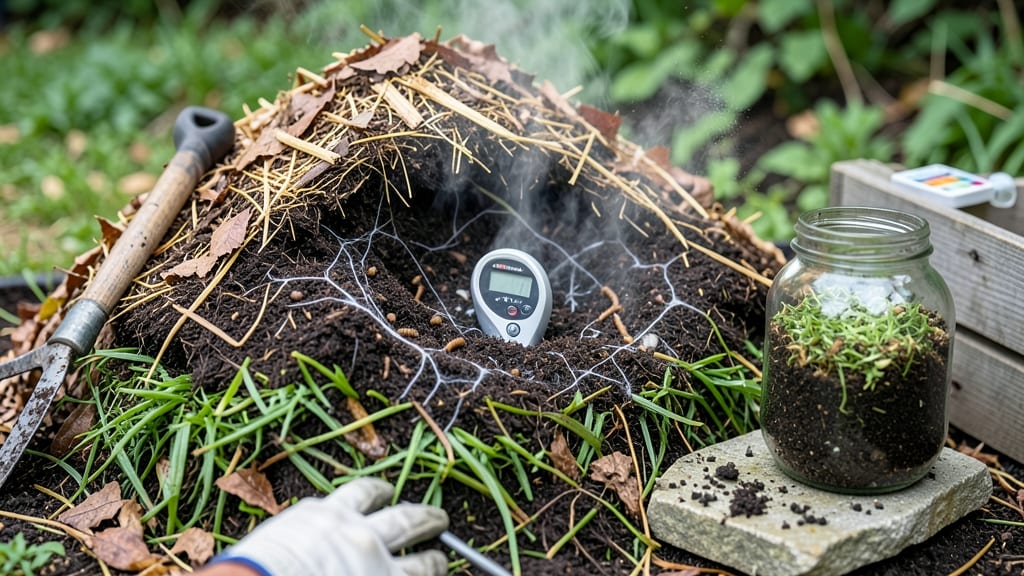
Organic matter in soil comes from decomposed plant materials like leaves, grass clippings, and wood, plus animal sources such as manure, composted food scraps, and insect remains. These transform into humus, which boosts soil fertility and structure.
This nutrient-rich material isn't just leftover debris—it's the backbone of healthy soil. 🌱 Microbes and fungi break down these materials over time, creating humus that holds moisture, improves drainage, and feeds plants with essential nutrients.
Think of it as nature's way of recycling: what would otherwise be waste becomes the foundation for thriving gardens and crops.
For gardeners, understanding these sources helps you choose the right amendments. Plant-based materials like composted leaves or wood chips add bulk and structure, while animal-based sources like well-aged manure or worm castings provide quick nutrients. The key is balance—too much of either type can disrupt your soil's natural chemistry.
💡 In This Article
- How Organic Matter Forms in Soil
- Best Sources of Organic Matter for Garden Soil
How organic matter forms in soil
At the heart of soil fertility lies a microscopic ecosystem where bacteria, fungi, and other decomposers transform organic materials into humus. This process begins when plant residues like fallen leaves or grass clippings—rich in complex carbohydrates and cellulose—meet soil microbes.
Fungi and bacteria secrete enzymes that break down these tough plant structures into simpler sugars and amino acids, releasing carbon dioxide as a byproduct. 🌱
The carbon-to-nitrogen (C:N) ratio is critical here: ideal decomposition occurs at about 25:1. Materials like wood chips (high carbon) need nitrogen-rich additives (like manure) to balance the process, while food scraps (high nitrogen) may require carbon sources (like shredded paper) to avoid foul odors.
This microbial activity creates a spongy, dark brown substance called humus, which can take years to form but dramatically improves soil structure.
What makes humus so valuable is its ability to hold up to 90% more water than mineral soil while maintaining excellent aeration. The fibrous structure of humus creates tiny pores that trap moisture like a sponge, while still allowing oxygen to reach plant roots.
This dual function explains why soils rich in organic matter stay productive during droughts and recover quickly after heavy rains.
Temperature and moisture levels accelerate or slow this process. In warm, moist conditions, decomposition happens rapidly—sometimes in just weeks—while cold or waterlogged soils can stall microbial activity for months.
This is why gardeners often add organic matter in early spring: the warming soil kickstarts decomposition just as plants need nutrients most.
Consider the contrast between fresh compost (which may still contain recognizable plant fragments) and mature humus (a crumbly, earthy-smelling material).
The transformation happens through a series of stages: first, easily decomposable materials like fruit peels disappear quickly, followed by cellulose-rich materials like leaves, and finally, the tough lignin in wood breaks down over years. Each stage releases nutrients in forms plants can absorb.
Interestingly, this decomposition process also creates beneficial byproducts beyond humus. Microbes produce antibiotics that suppress harmful pathogens, and the breakdown releases growth hormones that stimulate root development. This explains why plants grown in organically rich soils often show stronger, more vigorous growth compared to those in purely mineral-based soils.
The result is a self-sustaining cycle where plant growth feeds microbial activity, which in turn creates more fertile soil. This natural recycling system is why ancient agricultural societies—like those in the Amazon rainforest—maintained productivity for centuries without synthetic fertilizers. 🌍