
Neem Oil
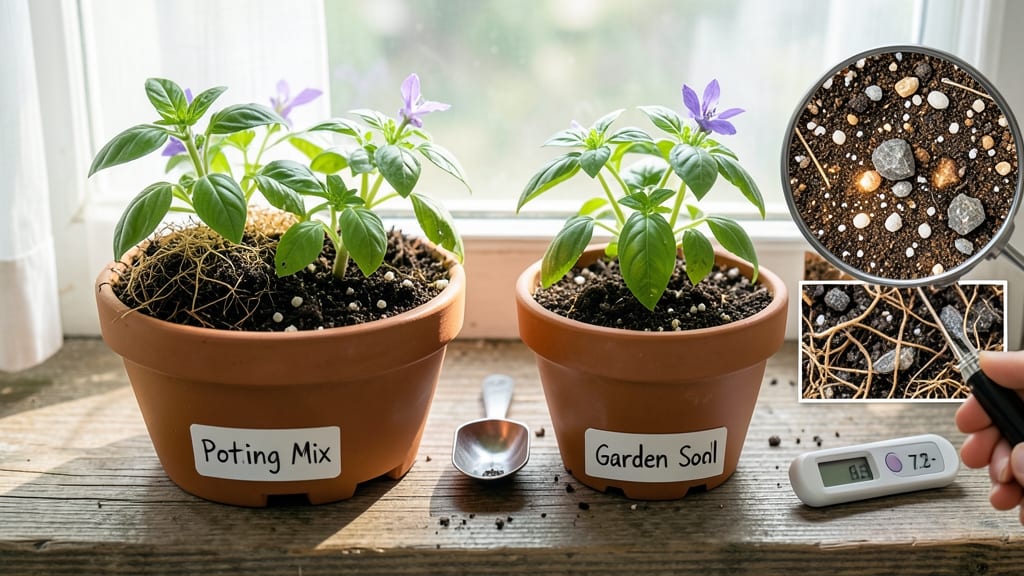
The potting mix vs. soil difference is like comparing two entirely different environments for your plant roots—one stays light and airy, while the other holds moisture and nutrients like a dense embrace. 🌱 The wrong choice can mean stunted growth or root rot, but I’ve learned which to use (and when to mix them) after years of trial and error with everything from fussy succulents to heavy-feeding tomatoes.
Garden soil is what you’d dig up from your yard or a raised bed—heavy, packed with organic matter, and perfect for in-ground planting. But it’s too dense for containers, where roots need to breathe.
Potting mix, on the other hand, is lightweight, designed to drain fast and stay loose, but it lacks the long-term nutrients of garden soil. The trick? Match the medium to the plant and the pot size.
For containers, stick with potting mix—it prevents soggy roots and compaction. But if you’re growing in the ground, garden soil wins for moisture retention and natural fertility.
The best results? A blend of both for heavy feeders like peppers or tomatoes, or a mix with perlite for succulents that hate wet feet.
Troubleshooting is easy once you know the signs: yellowing leaves mean poor drainage (time for more perlite), while slow growth often signals nutrient hunger (amend with compost). Whether you’re filling a hanging basket or prepping a raised bed, choosing the right mix makes all the difference.
The first product explained
Meet Miracle-Gro Indoor Potting Mix—your go-to companion for thriving houseplants and container gardens! 🌿✨ Designed specifically for indoor and outdoor potted plants, this premium blend is a game-changer for gardeners who crave effortless growth without the guesswork. Let’s break down why this mix stands out and who’ll love it most.
📏 Specs & Features
This lightweight, airy potting mix is engineered to deliver:
- Perfect Drainage: A loose, fluffy texture prevents soggy roots while retaining just the right amount of moisture—ideal for plants that hate "wet feet."
- Nutrient-Packed Formula: Enriched with slow-release fertilizer (12-4-8 NPK ratio) to feed plants for up to 6 months, cutting down on frequent feeding.
- Balanced pH: Slightly acidic (5.5–6.5), perfect for herbs, veggies, and flowering plants like petunias or peppers.
- Organic Matter: Contains composted bark, peat, and perlite for structure and aeration, mimicking natural soil conditions.
- Pest & Disease Resistance: Sterilized to eliminate weeds, fungi, and harmful pathogens—no surprises here!
🎯 Who’s It For?
This mix is a versatile powerhouse for:
- 🌱 Beginners: No soil science degree required—just scoop, plant, and watch your greens thrive!
- 🏡 Urban Gardeners: Perfect for balconies, windowsills, and small spaces where drainage is key.
- 🌶️ Vegetable & Herb Lovers: Supports tomatoes, basil, and strawberries with its nutrient boost.
- 🌸 Flower Enthusiasts: Keeps blooms vibrant longer with consistent moisture and aeration.
- 🐾 Pet Owners: Chemical-free and safe for homes with curious pets (though always double-check with your vet!).
💰 Price Point & Value
Priced at $8.97 for a 8-quart bag (or ~$1.12/quart), this mix offers exceptional value for its quality and longevity. While it’s slightly pricier than basic garden soil, the convenience and plant performance make it a steal—especially for those who’ve dealt with root rot or stunted growth before.
Pro Tip: 💡 For long-term savings, buy in bulk (the 12-quart bag is ~$15.97) if you’re a serial planter!
The second product explained
Meet Miracle-Gro Indoor Potting Mix—the go-to choice for plant parents who want a fast, fuss-free growing experience! 🌱✨ This premium potting mix is designed to deliver rich nutrition and optimal drainage right out of the bag, making it perfect for both novice gardeners and seasoned plant enthusiasts.
📏 Specs & Features
This lightweight, airy mix is formulated with:
- Slow-release fertilizer for up to 3 months of nourishment—no extra feeding required!
- Coco coir & peat moss blend for moisture retention without soggy roots.
- Perlite & vermiculite to improve aeration and prevent compaction.
- Micronutrients tailored for houseplants, herbs, and veggies.
- pH-balanced (5.5–6.5) for healthy root development.
🎯 Who’s It For?
Ideal for:
- 🌿 Indoor gardeners (herbs, succulents, ferns, and flowering plants).
- 🏡 Balcony/container growers with limited space.
- 🚫 Beginners who want a no-fail soil base.
- 🌱 Seed starters needing a sterile, nutrient-rich medium.
💰 Price Point & Value
Priced at $12.99 for a 8-quart bag (or $24.99 for a 16-quart bag), this mix offers exceptional value—especially when compared to DIY blends. The slow-release fertilizer alone saves you from buying separate plant food, making it a cost-effective long-term solution.
Pro Tip: 💡 Mix with perlite or orchid bark (10%) for extra drainage if growing moisture-sensitive plants like cacti or succulents!
Head-to-head comparison
Now that we’ve explored the unique qualities of loose and dense potting mixes, let’s dive into a side-by-side comparison to help you decide which aligns best with your gardening goals.
Whether you're nurturing delicate herbs, hardy succulents, or lush houseplants, understanding these differences will empower you to create the perfect growing environment. 🌱💡
🌿 Performance: How They Support Plant Growth
Loose potting mixes and dense mixes cater to different plant needs, and their performance can make or break your gardening success. Here’s how they stack up:
| Factor | Loose Potting Mix | Dense Potting Mix |
|---|---|---|
| Drainage | ✅ Excellent – Air pockets allow excess water to escape quickly, reducing root rot risk. | ⚠️ Moderate – Retains moisture longer but may require occasional aeration to prevent compaction. |
| Root Aeration | ✅ Superior – Roots breathe easily, promoting faster growth in plants like orchids or ferns. | ⚠️ Limited – Roots may struggle in tightly packed soil, leading to slower growth in moisture-loving plants. |
| Nutrient Retention | ⚠️ Lower – Nutrients may leach out faster due to rapid drainage. | ✅ Higher – Holds moisture and nutrients longer, ideal for slow-growing or heavy feeders like tomatoes. |
| Temperature Regulation | ✅ Cooler – Less heat retention, great for tropical plants sensitive to warmth. | ⚠️ Warmer – Retains heat, which can benefit cold-sensitive plants but may stress heat-intolerant varieties. |
💡 Pro Tip: For container gardening, loose mixes are a game-changer if your plants thrive in well-draining conditions. Mix in perlite or vermiculite to boost aeration in dense mixes for a compromise!
🛒 Price: Cost-Effectiveness for Your Budget
Your wallet will thank you for knowing which mix offers the best value. Here’s the breakdown:
- Loose Potting Mix:
- 💰 Mid-range to premium – Often contains organic matter like coconut coir, peat moss, or composted bark, which can be pricey.
- 📊 Long-term savings – Reduces overwatering (and water bills!) by preventing root rot.
- Dense Potting Mix:
- 💰 Budget-friendly – Typically cheaper due to higher clay or sand content, which are abundant and inexpensive.
- ⚠️ Hidden costs – May require frequent amendments (like sand or gypsum) to maintain structure, adding up over time.
💡 Pro Tip: If you’re on a tight budget, DIY dense mixes by combining garden soil with compost and a handful of sand. For loose mixes, buy in bulk to save—just ensure it’s sterilized to avoid pests!
🏗️ Durability: Longevity and Structural Integrity
How well your potting mix holds up over time affects your plants’ long-term health. Let’s compare:
| Factor | Loose Potting Mix | Dense Potting Mix |
|---|---|---|
| Compaction Risk | ✅ Low – Lightweight and fluffy; resists settling over time. | ⚠️ High – Prone to compacting, especially in heavy containers or after watering. |
| Lifespan | ⚠️ 1-2 years – Organic components break down faster, requiring refreshers. | ✅ 2-3+ years – Inert materials (like sand or gravel) last longer but may lose fertility. |
| Ease of Repurposing | ✅ Simple – Can be composted or reused in garden beds. | ⚠️ Limited – Often contains non-biodegradable additives (e.g., perlite) that may not compost well. |
💡 Pro Tip: Extend the life of loose mixes by adding worm castings or slow-release fertilizer. For dense mixes, fluff it annually with a fork to restore aeration!
🌱 Best Use Cases: When to Choose Each
Not all plants are created equal—and neither are their soil needs! Here’s when to reach for each type:
- Use Loose Potting Mix for:
- 🌸 Orchids, bromeliads, and air plants – Mimics their natural epiphytic (tree-dwelling) habitats.
- 🍃 Succulents and cacti – Prevents root rot in arid-loving plants.
- 🌿 Seedlings and cuttings – Encourages rapid root development.
- Use Dense Potting Mix for:
- 🍅 Tomatoes, peppers, and other heavy feeders – Retains moisture and nutrients for robust growth.
- 🌳 Large container plants (e.g., citrus trees, shrubs) – Provides stability and moisture retention.
- 🏡 Indoor plants in low-light conditions – Holds water longer, reducing frequent watering.
💡 Pro Tip: Hybrid mixes are a great middle ground! Combine loose and dense elements (e.g., 60% loose + 40% dense) for a custom blend tailored to your plant’s needs.
🔄 Maintenance: Effort Required to Keep Them Healthy
Some mixes demand more TLC than others. Here’s what to expect:
| Task | Loose Mix | Dense Mix |
|---|---|---|
| Watering Frequency | ⚠️ More often – Dries out faster due to excellent drainage. | ✅ Less often – Ret
Which one should you choose?So, which one is the right choice for your green thumb? The answer depends on your plants, goals, and gardening style! Here’s a quick verdict to help you decide: 🌱 Choose Loose Potting Mix If...
🌿 Opt for Dense Potting Soil If...
💡 Pro Tip for the Fence-Sitters:Still unsure? Mix it up! Combine loose and dense mixes to create a custom blend tailored to your plants. For example:
🌟 Final Thought: There’s no one-size-fits-all answer, but now you’ve got the tools to match your soil to your plants’ needs. Happy gardening! 🌱💚 |