
Trees
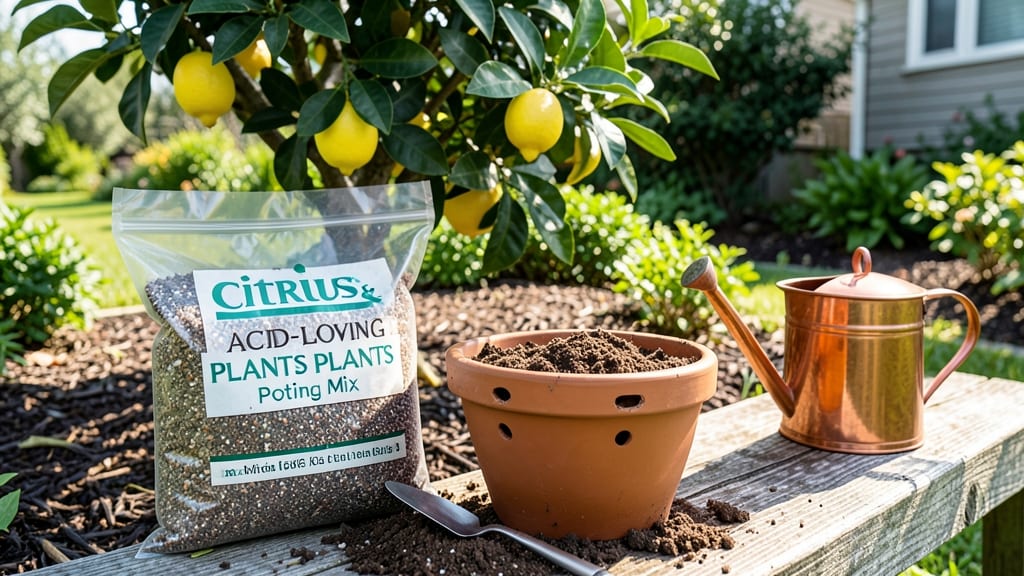
The right potting soil for citrus trees is the difference between a thriving lemon tree and one that sulks in soggy soil. 🌿 I learned this the hard way when my Meyer lemon’s roots rotted after repotting—until I switched to a well-draining, acidic mix that mimics its Mediterranean home.
Citrus needs a blend that’s 60% airy (perlite or pumice) and 40% organic matter (compost, peat, or coconut coir), with a sprinkle of sand for grit. Most store-bought mixes fail because they’re too dense or alkaline.
Look for a pH between 5.5 and 6.5—citrus roots can’t absorb nutrients in neutral or alkaline soil. I add 1 part sphagnum peat moss to every 3 parts of my base mix to lock in acidity, and a handful of bark fines to keep it fluffy. The goal?
Soil that drains fast but holds enough moisture to prevent wilting. With this mix, your citrus will reward you with glossy leaves and abundant fruit within a season. The secret’s in the texture—light enough to prevent root suffocation, yet rich enough to feed hungry trees.
Overwatering is the real enemy here; let the top 1-2 inches dry out between waterings, and always use a pot with drainage holes. For repotting, upgrade containers 1-2 sizes every 2-3 years, and refresh the soil with fresh compost and perlite. Avoid cheap, peat-free mixes—they compact too quickly.
Your citrus will thank you with bright blooms and juicy fruit all year round.
📚 In This Guide
- What you need
- Instructions
- Tips and common mistakes
- Wrapping up and next steps
What you need
- ● Peat moss or coconut coir – 50% of the mix (improves drainage and acidity). Pro tip: Coconut coir is a sustainable alternative!
- ● Perlite or pumice – 10-15% (enhances aeration and prevents compaction). ✨ Avoid using vermiculite if your citrus tree is prone to root rot.
- ● Sand (coarse or horticultural) – 10-15% (boosts drainage). 💡 Avoid fine sand—it can clump and suffocate roots.
- ● Compost or well-aged manure – 10-15% (adds nutrients without overfeeding). 🌡️ Use sparingly—too much can raise pH.
- ○ Citrus-specific fertilizer – 1-2 tbsp per gallon of mix (optional but recommended for a nutrient boost).
- ● Sulfur (elemental or aluminum sulfate) – 1 tsp per gallon (lowers pH to 6.0–6.5, ideal for citrus).
- ● A large container or wheelbarrow for mixing (at least 5 gallons capacity).
- ● A pH testing kit (to ensure your mix stays acidic).
- ● Gloves and a mask (for handling peat moss, sulfur, or compost).
- ● A moisture meter or your finger (to check drainage—soil should feel damp but not soggy).
- ○ Optional: Worm castings (1-2 tbsp per gallon for extra microbial activity).
Step-by-Step guide to mixing the perfect potting soil for citrus trees
Citrus trees thrive when their roots breathe in airy, acidic loam—here's how to create it yourself.
🌱 Step 1: Start With a Base of High-Quality Potting Mix
Begin with 4 parts of a well-draining potting mix—never garden soil. I recommend a peat-based or coco coir blend that holds moisture without compacting. This forms your foundation, ensuring roots get oxygen while retaining enough water to prevent drought stress. Avoid mixes labeled "for succulents" or "cactus," as they drain too quickly for citrus.
Sift the mix to break up any clumps—citrus roots are sensitive to dense soil. You'll notice the texture should resemble crumbly, moist sand when squeezed. If it sticks together, add more perlite or vermiculite to improve aeration. This step is critical because compacted soil suffocates roots and triggers root rot, the #1 killer of potted citrus.
💧 Step 2: Add Acid-Forming Amendments for pH Balance
Citrus trees demand acidic soil (pH 5.5-6.5)—standard potting mixes often skew neutral. Mix in 1 part pine bark fines and 1 part sphagnum peat moss to lower the pH naturally. These amendments break down slowly, maintaining acidity over time. I also add ½ part sulfur (spread evenly) to further acidify the mix—just don’t overdo it, as too much sulfur can burn roots.
Work the amendments into the potting mix by hand until evenly distributed. You’ll see the blend darken slightly and feel slightly grittier. Test a small batch with a soil pH meter—if it reads above 6.5, add another tablespoon of sulfur per gallon of mix. Remember, citrus roots can’t absorb nutrients efficiently in alkaline soil, so this step isn’t optional.
☀️ Step 3: Boost Drainage With Perlite or Pumice
Citrus roots hate soggy feet. Stir in 1 part perlite or pumice to create air pockets and prevent waterlogging. These materials are lightweight and inert, so they won’t decompose like bark or peat. I prefer perlite because it’s cheaper and easier to find, but pumice adds a slight mineral boost that some citrus varieties appreciate.
Mix thoroughly until the perlite is evenly dispersed—no clumps. Tap the container gently to settle the soil, then water it lightly. If water pools on the surface or drains too quickly (within 5 minutes), adjust the ratio: add 10% more peat moss for slower drainage or 10% more perlite for faster drying. The goal is a mix where water drains freely but doesn’t desert the roots between waterings.
✂️ Step 4: Finish With Slow-Release Fertility
Citrus trees are heavy feeders, so incorporate ½ cup of citrus-specific slow-release fertilizer (like Osmocote or a balanced 8-8-8 blend) per 5 gallons of mix. This ensures a steady supply of nitrogen, phosphorus, and potassium without the risk of salt buildup from liquid fertilizers. I also add 1 tablespoon of dolomitic lime—yes, lime!—to buffer the acidity slightly and provide magnesium, which citrus trees crave.
Sift the fertilizer and lime into the mix, then fluff it with your hands. The final texture should feel light yet moist, like a well-aerated sponge. If you’re repotting an established tree, add 1 cup of worm castings to the bottom of the pot first—they improve microbial activity and help roots establish faster. This last step is where you set your citrus tree up for years of healthy growth, not just immediate survival.
🪴 Step 5: Test and Adjust Before Planting
Fill a small container with your mixed soil and water it thoroughly. After 30 minutes, check the drainage: if water still sits at the bottom, add more perlite. If it drains in under 5 minutes, mix in another 10% peat moss. The ideal mix should drain within 10-15 minutes but retain moisture when squeezed—it should hold together lightly but not drip.
Use a soil pH test kit to confirm the mix is between 5.5 and 6.5. If it’s too acidic (below 5.5), add a pinch of gardening lime to raise the pH slightly. If it’s still too alkaline after adjustments, start over—citrus roots won’t tolerate it. Once you’ve perfected the blend, use it within 2-3 months for best results, as organic amendments like peat and bark will start breaking down over time.
Tips & tricks for perfect citrus tree potting soil
These pro tips will help you avoid common pitfalls and create an ideal growing environment for your citrus trees.
Texture is Everything: In Step 1, when sifting your 4 parts potting mix, aim for a consistency that resembles crumbly, moist sand when squeezed. This texture ensures proper aeration while retaining enough moisture. I've found that using a fine-mesh sieve helps eliminate all clumps, preventing future compaction. If your mix feels too dense after sifting, add 10% more perlite or vermiculite—this will improve oxygen flow to the roots, which is crucial for preventing root rot. The goal is to create a medium where water drains freely but doesn't leave roots thirsty between waterings.
Acidification Secrets: For Step 2's pH adjustment, I've discovered that mixing the 1 part pine bark fines and 1 part sphagnum peat moss first creates a more uniform acidifying blend. When working these into your base mix, distribute them evenly by hand—this prevents pH hotspots that could stress your citrus roots. Remember that sulfur works slowly, so if your pH test shows you're still above 6.5 after adding the initial ½ part, spread an additional tablespoon per gallon of mix. The key is patience—citrus trees reward precise pH balance with vibrant growth.
Drainage Test Pro Tip: During Step 5's drainage test, I recommend using a clear container so you can visually monitor water movement. After your 30-minute test period, if water pools at the bottom, you'll need to add more perlite—aim for about 10-15% of the total volume. Conversely, if water drains too quickly (within 5 minutes), add 10% more peat moss to slow drainage. The ideal mix should drain completely within 10-15 minutes while still holding moisture when gently squeezed. This balance is what prevents both waterlogging and drought stress in citrus roots.
Fertility Boost for Established Trees: When adding the ½ cup slow-release fertilizer in Step 4, consider adding 1 cup worm castings to the bottom of the pot before planting established trees. This creates a nutrient-rich zone where roots can establish more quickly. The worm castings also improve soil microbial activity, which helps break down organic matter more efficiently. For new plantings, you can skip the worm castings initially—they're more beneficial for trees already established in their pots.
Pro Tips for Potting Soil For Citrus Trees
- These pro tips will help you avoid common pitfalls and create an ideal growing environment for your citrus trees.
- Texture is Everything: In Step 1, when sifting your 4 parts potting mix, aim for a consistency that resembles crumbly, moist sand when squeezed.
- Acidification Secrets: For Step 2's pH adjustment, I've discovered that mixing the 1 part pine bark fines and 1 part sphagnum peat moss first creates a more uniform acidifying blend.
Frequently asked questions
Got questions about the perfect potting mix for your citrus trees? You’re not alone! Here are some of the most common concerns—and their answers—to help you grow thriving, juicy citrus with confidence.
What’s the best potting soil mix ratio for citrus trees?
Citrus trees thrive in a well-draining, slightly acidic mix. Aim for a 60% inorganic base (like perlite or pumice), 30% organic matter (peat moss or coconut coir), and 10% compost or worm castings. Avoid heavy garden soil—it compacts and suffocates roots!
When is the best time to repot a citrus tree?
Repot your citrus tree in early spring (before new growth starts) or late winter. This gives roots time to adjust before summer heat. If roots are circling the pot or soil smells sour, it’s a sign it’s time—don’t wait for a crisis!
Can I use regular potting soil for citrus trees?
Nope! Regular potting soil is too dense and retains too much moisture, leading to root rot. Citrus needs a fast-draining, airy mix. Mix your own or buy a citrus-specific blend—your tree’s health depends on it!
Why are my citrus tree’s leaves turning yellow?
Yellow leaves often signal overwatering or nutrient deficiencies. Check the soil—if it’s soggy, reduce watering. Yellowing with brown edges? It might need more iron or zinc. Flush the soil with water to check for salt buildup, too!
How often should I fertilize citrus trees in pots?
Feed your citrus tree every 4–6 weeks during growing season (spring–fall) with a balanced, citrus-specific fertilizer (like 6-6-6 or 8-3-9). Cut back in winter—citrus rest then! Over-fertilizing burns roots, so always water first.
Wrapping up and next steps
Choosing the right potting soil for citrus trees is the foundation of a thriving, disease-resistant plant—one that’s well-drained, slightly acidic, and packed with organic matter. Remember, a mix of peat moss, perlite, and compost (or a high-quality citrus blend) keeps roots happy while preventing root rot.
Your citrus tree will reward you with vibrant blooms and zesty fruit when you give it the ideal growing conditions!
Ready to take the next step? 🌱 Grab your soil mix, pot, and citrus sapling today! Start small—whether it’s a lemon, lime, or orange—and watch your green thumb grow. Happy planting! 🍊✨