
Pruning
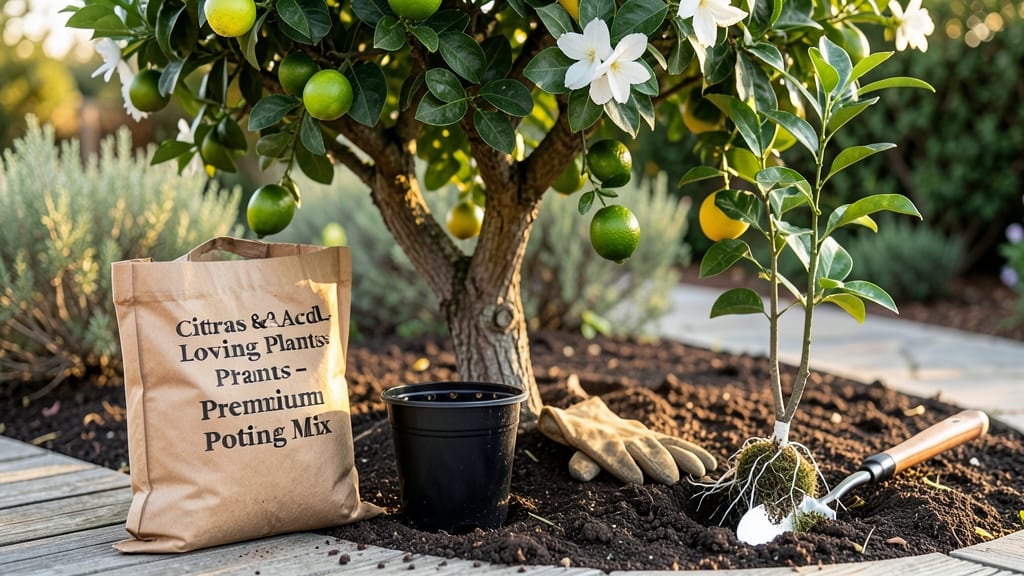
The right potting soil for lime trees isn't just dirt—it's the foundation for juicy, fragrant fruit and healthy growth. 🌱 I’ve learned the hard way that regular potting mix drowns lime tree roots, leading to root rot and stunted growth.
The secret lies in a fast-draining, chunky mix that mimics their natural Mediterranean soil—think coarse sand, perlite, and a touch of compost. Lime trees crave well-aerated, slightly acidic soil (pH 6.0–7.0) with sharp drainage.
A blend of 50% cactus/succulent mix, 30% perlite or pumice, and 20% compost works wonders. Avoid garden soil—it compacts and holds too much moisture. For containers, ensure drainage holes and use a pot at least 12 inches wide to prevent root crowding.
With the right mix, your lime tree will thrive year-round, producing bright green leaves and sweet, fragrant fruit by summer. The key is chunky texture—nothing finer than pea gravel—so water flows freely and roots stay oxygenated. Skip the cheap mixes; your tree’s health depends on it.
For transplanting, soak the root ball before moving and top-dress with citrus-specific fertilizer every 6–8 weeks. Overwatering is the #1 killer—let the top 2 inches dry out between waterings. Patience pays off: a well-supported lime tree can live for decades and reward you with harvests for years.
📚 In This Guide
- What you need
- Instructions
- Tips and common mistakes
- Wrapping up and next steps
What you need
- ● Potting soil (base): 60% high-quality citrus or citrus-blend potting mix (e.g., Miracle-Gro Citrus & Palm Mix or FoxFarm Ocean Forest). Quantity: ~50% of total mix volume.
- ● Perlite or pumice: 20% coarse-grade perlite/pumice (for aeration). Quantity: 1 part per 4 parts soil.
- ● Coarse sand: 10% builder’s sand or horticultural grit (avoid fine sand—it compacts!). Quantity: 1 part per 9 parts soil.
- ● Compost or worm castings: 10% organic matter (boosts nutrients). Quantity: 1 part per 9 parts soil.
- ● Slow-release fertilizer: Citrus-specific granules (e.g., Osmocote Smart-Release). Quantity: Follow package rates (typically 1–2 tbsp per gallon of mix).
- ● Tools: 5-gallon bucket or wheelbarrow (for mixing).
- ● Garden trowel or shovel.
- ● Rake or large spoon (for blending).
- ● Measuring cup or scale (for precision).
- ● Gloves (because nobody likes gritty hands 😉).
- ● Pine bark fines: 5% for extra chunkiness (if your soil feels too dense).
- ● Biochar: 5% (improves microbial activity—great for long-term health!).
- ● Lime (calcium carbonate): A pinch (¼ tsp per gallon) if your tap water is acidic.
- ● Mulch (after potting): Wood chips or straw to retain moisture (but keep it 2–3 inches away from the trunk!).
Step-by-step guide to creating fast-draining potting soil for lime trees
Citrus trees thrive when their roots breathe easily—here's how to mix a fast-draining blend that prevents soggy roots.
🌱 Step 1: Measure and Combine Base Materials
Start with 4 parts of a high-quality citrus-specific potting mix—this provides the essential nutrients lime trees crave while maintaining aeration. I always use a sterile, peat-based mix to prevent fungal issues from day one. Sift it through a ¼-inch mesh screen to break up clumps, ensuring even moisture distribution later. This step is critical because compacted soil restricts root growth, and lime trees despise wet feet.
Add 1 part of perlite to the mix—this volcanic mineral creates air pockets that mimic the well-draining Mediterranean soil lime trees evolved in. The perlite should be coarse-grade (not fine), so roots don’t get tangled in tiny particles. Spread it evenly over the potting mix and stir gently with a clean trowel. You’ll see the mix lighten in color slightly, signaling better aeration.
🪴 Step 2: Add Organic Matter and Structural Support
Incorporate 1 part of orchid bark into the blend—this chunky material prevents compaction and mimics the rocky, porous soil of lime tree habitats. Break larger pieces into ½-inch chunks with your hands to avoid overwhelming the mix. The bark also slowly releases nutrients as it decomposes, feeding the tree over time. Stir thoroughly to distribute it evenly.
Next, add ½ part of worm castings—this isn’t just for nutrients (though it provides plenty), but also for microbial activity that keeps roots healthy. The castings should be well-aged and crumbly, not clumpy. Mix them in last so they don’t break down too quickly during the initial blending process. Your soil should now look like a rich, chunky mulch—ideal for citrus.
✂️ Step 3: Adjust Texture and Test Drainage
Fill a 1-gallon plastic container with your mixed soil and press it down firmly with your hand—this simulates how the soil will compact in a pot. Pour 1 cup of water into the container and let it drain completely. The water should flow through in under 30 seconds, leaving the soil slightly damp but not saturated. If it drains too quickly (like sand), add 10% more potting mix to retain moisture better.
If the water pools on top or drains very slowly (over 2 minutes), increase the perlite by 5% and remix. The goal is a texture that holds moisture but never stays soggy—lime trees are drought-tolerant once established, but their roots rot quickly in waterlogged conditions. Tap the container gently to settle the soil, then repeat the water test until you achieve the right balance.
💧 Step 4: Condition the Soil for Planting
Spread the final mix in a clean tray and lightly mist it with lukewarm water until the surface feels damp to the touch but not wet. Let it sit for 10 minutes, then fluff it with a fork to break up any remaining clumps. This step ensures the soil is ready for planting without shocking the tree’s roots. The mix should smell earthy, not musty—a sign it’s fresh and free of pathogens.
For best results, use the conditioned soil within 24 hours of mixing. Store any leftovers in a sealed container in a cool, dry place. Lime trees are particular about soil chemistry, so avoid mixing in garden soil or compost with high nitrogen—it can burn tender roots. Your fast-draining blend is now ready to support a thriving citrus tree for years.
Tips & tricks for perfect lime tree potting soil
This citrus-optimized blend is all about balance—here's how to nail the texture and drainage every time.
Sifting is Non-Negotiable: That ¼-inch mesh screen in Step 1 isn't just about breaking clumps—it eliminates microscopic air pockets that would otherwise trap moisture. I learned this the hard way after watching lime tree roots suffocate in "fluffy" but compacted soil. Sift each ingredient separately before mixing to ensure maximum aeration from the start.
Perlite Grade Matters: The instructions specify coarse-grade perlite, and for good reason—fine perlite creates a sandy texture that drains too quickly, while coarse pieces maintain the perfect balance. If you only have fine perlite, reduce it to ½ part instead of the full 1 part to avoid over-drying. The goal is air pockets, not desert conditions.
Worm Casting Quality Check: Those ½ part worm castings should be dark, crumbly, and smell earthy (not fishy or ammonia-like). Fresh castings can overheat during mixing, so age them for at least 2 weeks in a breathable container before using. Pro tip: Store them in a mesh bag in your fridge to preserve freshness for up to 6 months.
Drainage Test Precision: During the under 30 seconds water test in Step 3, time it with a stopwatch—this becomes your benchmark. If your first mix drains too fast, don't just add more potting mix. Instead, increase perlite by 5% first, then adjust other components. The 2-minute maximum for slow drainage is equally critical—any longer means root rot risk.
Pro Tips for Potting Soil For Lime Tree
- This citrus-optimized blend is all about balance—here's how to nail the texture and drainage every time.
- Sifting is Non-Negotiable: That ¼-inch mesh screen in Step 1 isn't just about breaking clumps—it eliminates microscop...
- Perlite Grade Matters: The instructions specify coarse-grade perlite, and for good reason—fine perlite creates a sand...
Frequently asked questions
Got questions about the perfect potting mix for your lime tree? You’re not alone! Here are some of the most common concerns—plus quick, expert-friendly answers to keep your citrus thriving.
What’s the best ratio of potting soil to perlite/sand for a lime tree?
A 60:40 mix of high-quality citrus potting soil to perlite or coarse sand works best. This balance ensures fast drainage (critical for lime trees!) while retaining enough moisture. Avoid heavy garden soil—it compacts and suffocates roots. Pro tip: Add 10% orchid bark for extra aeration!
When is the ideal time to repot a lime tree?
Repot your lime tree in early spring (before new growth starts) or late winter. This gives roots time to establish before summer heat. If repotting due to root bound-ness, do it anytime except winter—just avoid extreme temperatures. Sign it’s time? Roots circling the pot or soil drying out in hours.
Can I use regular potting soil instead of citrus-specific mix?
While you can, regular potting soil often lacks the acidity (pH 6.0–7.0) and nutrient density lime trees crave. Upgrade it with:
- 1 part peat moss (for acidity)
- 1 part perlite (for drainage)
- 1 tbsp citrus fertilizer (per gallon)
Why does my lime tree’s soil smell bad after watering?
A sour, rotten odor usually means overwatering or poor drainage. Lime trees hate soggy roots! Check for:
Flush the pot with water to rinse out excess salts, then adjust your watering schedule.
How often should I refresh the potting soil for a lime tree?
Replace 20–30% of the soil annually (or every 2 years if using a high-quality mix). Top-dress with fresh citrus potting soil in spring to replenish nutrients. For container-grown lime trees, a full repot every 2–3 years keeps roots healthy and prevents nutrient depletion.
Wrapping up and next steps
Choosing the right potting soil for lime tree is the secret to thriving citrus! 🌱 A well-draining, nutrient-rich mix with fast-draining chunks ensures your tree stays healthy and productive.
With the right blend, you’re already setting your lime tree up for success—now it’s time to plant, nurture, and enjoy the sweet rewards of your hard work.
Ready to take the next step? Grab your soil mix, pot, and gloves, and get planting! Your future harvest of juicy limes is just a few shovelfuls away. 🍋✨