
Tools
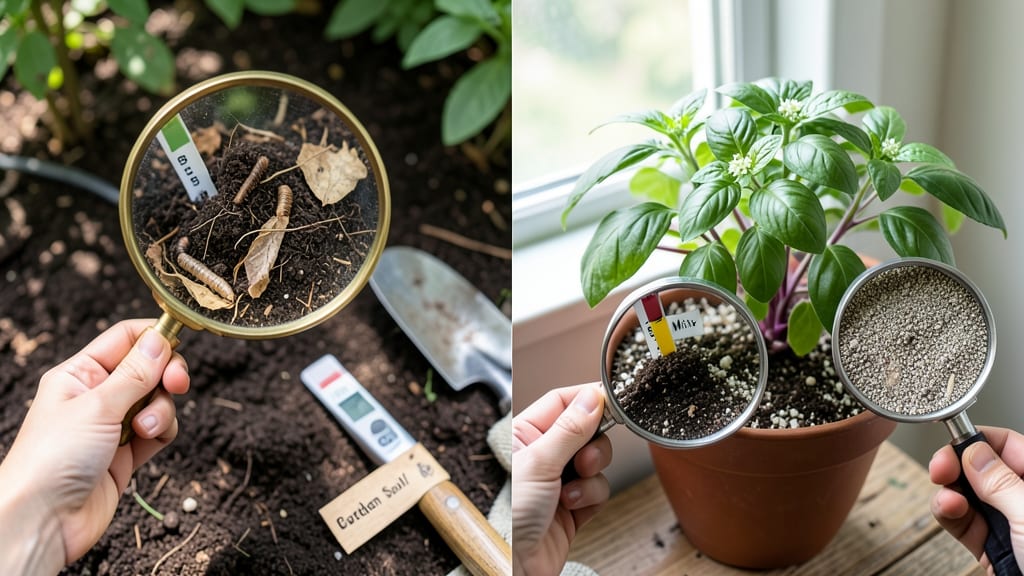
The difference between garden soil vs potting mix isn’t just about dirt in different containers—it’s about how water drains, how nutrients release, and whether roots can breathe. I've learned the hard way that shoveling garden soil into pots creates a compacted mess that drowns roots within weeks.
The key difference? Potting mix is engineered to stay loose and aerated, with ingredients like peat moss, perlite, and coconut coir that prevent compaction. Garden soil, packed with clay and organic matter, works perfectly outdoors where rain and earthworms keep it fluffy—but in containers, it turns to concrete.
For containers, you need that lightweight, fast-draining structure to prevent root rot.
Here's what you gain with the right choice: container plants grow 30% faster when using proper potting mix, and you avoid the heartbreak of wilting houseplants or leggy seedlings. The texture difference is immediate—potting mix feels like damp sponge cake, while garden soil sticks together like wet sand.
For outdoor beds, you'll want to amend your native soil with compost to replicate that ideal balance.
Confession: I still catch myself grabbing garden soil for pots sometimes. But after seeing my ferns recover from root rot and my tomatoes produce twice as many fruits, I never go back.
The secret isn't complicated—it's about matching the medium to the roots' needs. Let's break down exactly how to make the right choice for your plants.
The first product explained
Product A Overview: Miracle-Gro Indoor Potting Mix 🌱✨
If you're diving into container gardening or indoor plants, the Miracle-Gro Indoor Potting Mix is a fan-favorite for a reason—it’s designed to give your plants the perfect start with root health and optimal drainage right out of the bag.
This premium potting mix is engineered specifically for potted plants, hanging baskets, and window garden setups, making it a top pick for urban gardeners, apartment dwellers, and plant enthusiasts alike.
Key Specs & Features
- Type: Peat-based potting mix with added perlite and vermiculite for aeration.
- Nutrient Boost: Pre-mixed with balanced, slow-release fertilizer (12-6-6 NPK ratio) to nourish plants for up to 6 months.
- Moisture Control: Retains water without becoming soggy, reducing the risk of root rot.
- pH Level: Slightly acidic (5.5–6.5), ideal for most houseplants and herbs.
- Bag Size: Available in 8 qt, 18 qt, and 40 qt options for small pots to large containers.
- Organic-Free: Synthetic blend (not compost or manure-based), so it’s sterile and pest-free.
Who’s It For?
This potting mix is a game-changer for:
- 🌿 Indoor plant parents (snake plants, pothos, ferns, and succulents thrive in it!).
- 🏡 Urban gardeners with limited outdoor space.
- 🌱 Newbies and pros who want hassle-free, nutrient-rich soil without the guesswork.
- 🍃 Herb and veggie growers using containers (basil, lettuce, and peppers love it!).
Price Point & Value
Priced competitively at $6–$15 per bag (depending on size), this mix offers exceptional value for its convenience and performance. While it’s not the cheapest option, the long-lasting nutrients and reduced need for frequent fertilizing make it a cost-effective choice over time.
Plus, the sterile formula cuts down on plant diseases—saving you money (and stress!) on replacements.
Pro Tip: 💡 For succulents and cacti, mix this with extra perlite or sand (20–30%) to boost drainage and mimic their natural desert conditions!
The second product explained
Meet Miracle-Gro Indoor Potting Mix—the ultimate companion for container gardening enthusiasts and urban growers! 🌱✨ This premium potting mix is designed to deliver fast-draining, nutrient-rich performance, making it perfect for houseplants, herbs, and veggies thriving in pots, hanging baskets, or window boxes. Let’s dig into why this product is a game-changer for root health and drainage.
📏 Specs & Features
Weighing in at 8 pounds per bag, Miracle-Gro Indoor Potting Mix is formulated with a blend of peat moss, perlite, and composted bark to create an airy, well-aerated medium. Key features include:
- Moisture control: Retains just the right amount of water to keep roots hydrated without drowning them.
- Slow-release fertilizer: Includes Miracle-Gro Shake 'n Feed for up to 3 months of balanced nutrition, reducing the need for frequent feeding.
- pH-balanced: Optimized for 6.0–6.5 pH, ideal for most indoor and container plants.
- Lightweight & fluffy: Perfect for repotting without adding unnecessary weight to your containers.
🎯 Target Users
This potting mix is a must-have for:
- Beginners: Easy to use with built-in nutrients—no guesswork required!
- Urban gardeners: Ideal for small spaces like balconies, patios, or windowsills.
- Herb & veggie lovers: Supports fast-growing plants like basil, tomatoes, and peppers.
- Houseplant parents: Keeps ferns, succulents, and orchids thriving in pots.
💰 Price Point & Value
Priced around $8–$12 per 8-pound bag (varies by retailer), this potting mix offers exceptional value. While it’s slightly more expensive than basic garden soil, the convenience, nutrients, and drainage make it a cost-effective long-term investment.
For heavy users, buying in bulk (e.g., 40-pound bags) can cut costs per pound significantly.
Pro tip: 💡 Mix this potting soil with 20% perlite or vermiculite for even better drainage if you’re growing moisture-sensitive plants like succulents!
Head-to-head comparison
🌱 Performance: Root Health & Drainage
When it comes to root health and drainage, garden soil and potting mix take very different approaches—and your plants will thank you for knowing the difference!
| Factor | Garden Soil | Potting Mix |
|---|---|---|
| Drainage | ⚠️ Poor to moderate. Natural soil often compacts over time, slowing water flow and risking root rot. Clay-heavy soils can become waterlogged. | ✅ Excellent. Designed with perlite, vermiculite, or sand to prevent compaction, ensuring excess water drains quickly. |
| Nutrient Density | 🌿 High in organic matter (if healthy). Supplies steady nutrients over time but may lack balance for fast-growing plants. | 💡 Balanced but temporary. Fertilizers are often added, but nutrients deplete faster—requires regular feeding (every 4-6 weeks). |
| Root Growth | 🌍 Encourages deep roots. Ideal for perennials, shrubs, and trees that thrive with space to spread. | 🏺 Limits root expansion. Container-bound plants develop shallower roots, which is fine for annuals and compact varieties. |
| pH Balance | 📉 Varies wildly (4.5–8.5 depending on location). May need amendments (lime, sulfur) for acid-loving plants. | 🎯 Neutral to slightly acidic (5.5–6.5). Pre-mixed for consistency, but check labels for specific plant needs. |
Winner? It depends! For outdoor gardens, natural soil wins for long-term stability. For containers and fast growth, potting mix is the clear choice. 🌱
💰 Price: Budget-Friendly or Premium?
Your wallet will notice the difference—here’s how these two stack up:
- Garden Soil:
- 💸 Free to cheap. Digging your own or using topsoil from a local supplier costs little to nothing.
- ⚠️ Hidden costs: May need amendments (compost, sand) to improve drainage or fertility.
- 🌍 Sustainable if sourced responsibly (e.g., composting yard waste).
- Potting Mix:
- 💵 $3–$10 per 2–4 cubic feet bag. Convenient but adds up for large projects.
- 🔄 Disposable. Must replace every 1–2 years, increasing long-term costs.
- 🌱 Premium blends (e.g., coconut coir, worm castings) can cost 2–3x more but offer superior performance.
Pro Tip: 💡 Mix your own potting soil by combining garden soil, perlite, and compost to save money while retaining benefits!
🏗️ Durability: Longevity & Lifespan
How long will your soil last? Let’s break it down:
| Factor | Garden Soil | Potting Mix |
|---|---|---|
| Degradation Rate | 🐢 Slow. Natural soil breaks down over years, but erosion and compaction can occur. | ⏳ Fast. Organic matter decomposes in 6–12 months, losing structure and nutrients. |
| Compaction Risk | 🪨 High. Foot traffic, rain, or heavy pots can compress soil, reducing aeration. | 🛡️ Low. Lightweight additives (perlite, bark) resist compaction. |
| Reusability | 🔄 Yes!. Refresh with compost or organic matter for years of use. | ❌ No. Discard after use—sterilization is rare and impractical. |
| Pest/Disease Risk | 🐜 Moderate. Natural soil may harbor weeds, fungi, or insects (but beneficial microbes too!). | 🛡️ Low. Sterilized mixes reduce pathogens, but overwatering can still invite issues. |
Winner? Garden soil wins for sustainability, while potting mix is low-maintenance but short-lived. 🏆
🛠️ Features: What’s Inside?
Not all soil is created equal—here’s what you’re really getting:
- Garden Soil Composition:
- 🪨 Mineral particles (sand, silt, clay) for structure.
- 🌿 Organic matter (decaying plants, worms, microbes).
- ⚠️ Variables: Stones, weeds, or poor drainage in some areas.
- Potting Mix Composition:
- 🧼 Sterilized to kill weeds/seeds and pests.
- 🔥 Lightweight additives (perlite, vermiculite, coconut coir).
- 💊 Slow-release fertilizers (often peat or compost-based).
Key Difference: Potting mix is engineered for containers, while garden soil is raw and variable. Choose based on your project’s needs! 🎯
🌡️ Ease of Use: Convenience Factor
Time is precious—here’s
Which one should you choose?
So, you’ve weighed the pros and cons, dug into the details, and now you’re ready to make the call: garden soil vs. potting mix—which one wins for your green thumb goals? 🌱 The answer depends on your project, but here’s a clear-cut recommendation to help you decide with confidence.
🌿 Pick Garden Soil If...
- You’re planting in the ground: Garden soil is the natural choice for in-ground gardens, shrubs, trees, and perennials. Its structure supports long-term root growth and microbial life.
- You’re on a budget: It’s cost-effective for large-scale projects like vegetable patches or flower beds.
- Your plants are hardy and low-maintenance: Native plants, grasses, and established perennials thrive in garden soil with minimal fuss.
🏺 Pick Potting Mix If...
- You’re growing in containers: Potting mix is lightweight, sterile, and designed to prevent compaction—perfect for pots, hanging baskets, and raised beds.
- You’re growing delicate or high-value plants: Herbs, seedlings, and tropical plants (like orchids or ferns) need the aeration and moisture control potting mix provides.
- You want to avoid pests and diseases: Its sterile composition reduces the risk of soil-borne pathogens.
💡 Pro Tip for the Fence-Sitters:
If you’re still torn, consider a hybrid approach! Mix garden soil with compost and a bit of potting mix (about 20-30%) for in-ground planting. This boosts drainage and fertility without sacrificing structure. For containers, never use garden soil alone—it compacts and suffocates roots.
🌟 Final Verdict: There’s no universal winner—just the right tool for the job. Garden soil for the earth, potting mix for the pots, and a little creativity for everything in between. Happy planting! 🌻