
How To
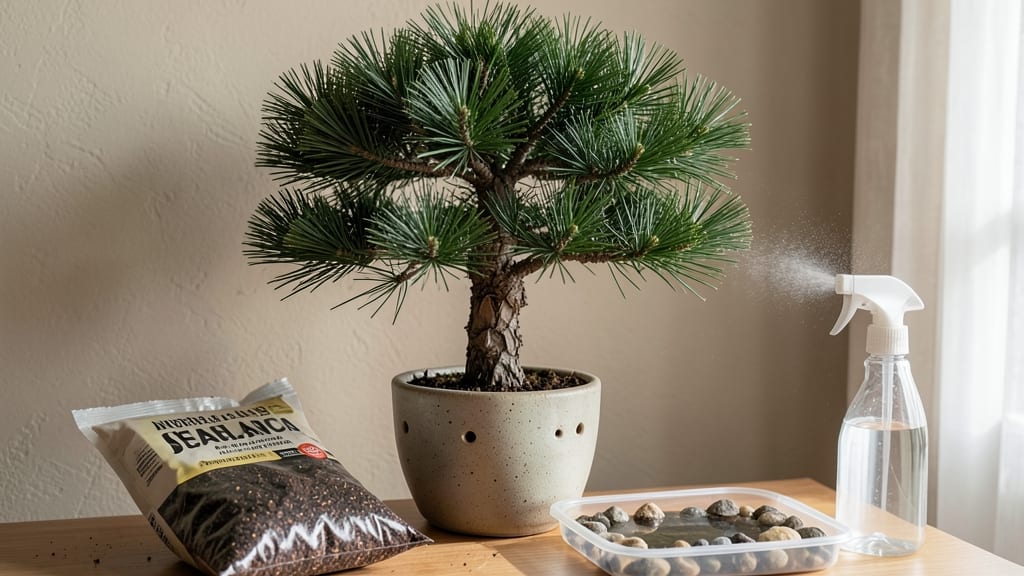
The right potting soil for Norfolk Island Pine 🌲 is the foundation of its health—too heavy, and its roots drown; too alkaline, and the leaves yellow.
Picture this: You’ve spent months nurturing your Norfolk Island Pine, only to watch its needles brown at the tips because the soil just isn’t right. The solution? A fast-draining, acidic mix that mimics its tropical roots’ natural environment.
This guide breaks down the exact blend—peat moss, perlite, and pine bark—to keep your plant thriving year-round, plus how to fix common soil mistakes before they become problems.
You’ll learn to mix it yourself for healthier growth or pick the best pre-made option, saving time without sacrificing quality.
The perfect acidic fast-draining soil mix for Norfolk Island Pines
Your Norfolk Island Pine (Dracaena fragrans) needs a light, airy, and acidic potting mix to thrive. Native to tropical rainforests, it demands fast-draining soil with a pH of 4.5-6.0.
Too much clay or alkaline soil causes yellowing leaves and stunted growth. Let’s break down the ideal mix and why each ingredient matters.
The key to success lies in balancing organic matter, mineral grit, and acidic amendments. A mix that’s too dense suffocates roots, while one that’s too sandy retains zero moisture.
The perfect blend mimics its natural habitat—humid, slightly acidic, and well-aerated. Ready to mix your own? Here’s what to use and why.
| Ingredient | Ratio | Purpose | Notes |
|---|---|---|---|
| Peat moss | 40% | Retains moisture, adds acidity | Use sphagnum peat for best results |
| Pine bark fines | 30% | Improves aeration, mimics forest floor | Avoid coarse bark—fines are ideal |
| Perlite | 20% | Ensures fast drainage, prevents compaction | Sterilize perlite before use |
| Coarse sand | 10% | Enhances drainage, prevents root rot | Use builder’s sand, not fine beach sand |
Start with 40% peat moss as the base—this ingredient holds moisture while keeping the mix acidic. Pine bark fines make up 30% of the blend, mimicking the forest floor where Norfolk Island Pines grow naturally. This chunky material improves aeration, preventing compacted soil that chokes roots.
Add 20% perlite to ensure your mix drains quickly. Perlite’s lightweight granules create air pockets, reducing the risk of root rot from overwatering. For the final 10%, use coarse sand—this prevents the mix from becoming too dense while still allowing water to flow freely.
Before mixing, test your soil’s pH level using a digital pH meter or litmus paper. Norfolk Island Pines prefer a pH between 4.5 and 6.0.
If your mix tests higher, amend it with sulfur powder or pine fines to lower the pH gradually. Avoid quick fixes like vinegar, which can harm roots.
To maintain acidity, top-dress your plant’s soil annually with a thin layer of pine needles or oak leaves. These natural amendments break down slowly, keeping the pH in check without shocking the plant.
For extra insurance, use a balanced acidic fertilizer (like 10-10-10) diluted to half-strength every 6-8 weeks during spring and summer.
If your Norfolk Island Pine shows signs of nutrient deficiencies, like yellowing leaves or brown tips, it may need a boost of micronutrients. Use a chelated iron supplement for chlorotic (yellow) new growth, or a magnesium-rich fertilizer if older leaves develop brown spots.
Always water thoroughly after applying amendments to prevent root burn.
Over time, your potting mix will break down and lose its structure. Refresh it every 12-18 months by removing the top 2-3 inches of old soil and replacing it with fresh mix. This simple step rejuvenates drainage and prevents soil-borne diseases from taking hold.
Use this opportunity to check for root-bound roots—if they’re circling the pot, it’s time to repot into a slightly larger container.
For container gardening, choose pots with drainage holes and avoid glazed ceramic or plastic without ventilation. Terracotta pots are ideal—they breathe and help regulate moisture.
If you’re using a decorative cachepot, ensure the inner pot has drainage to prevent waterlogging, which is a leading cause of root rot in Norfolk Island Pines.
Watch for signs of overwatering, like wilting despite moist soil or a foul odor from the pot. If you suspect root rot, trim affected roots with sterilized scissors and repot in fresh, dry mix.
Reduce watering until the top inch of soil feels dry to the touch. With the right mix and care, your Norfolk Island Pine will reward you with lush, vibrant foliage for years to come. 🌲
5 Common mistakes killing your Norfolk Island Pine’s soil (and how to fix them)
Your Norfolk Island Pine may look stunning, but hidden soil issues can silently stunt its growth. Compacted soil blocks roots, overwatering drowns them, and wrong pH levels starve your plant of nutrients. These mistakes are more common than you think—and they’re easily fixed with simple adjustments.
First, let’s tackle the biggest culprit: overwatering. Many gardeners assume tropical plants like the Norfolk Island Pine love soggy soil, but the truth is, its roots rot quickly in waterlogged conditions.
The fix? Always use a pot with drainage holes and let the top inch of soil dry out before watering again.
Next, check your soil pH. These plants thrive in acidic soil (pH 4.5-6.0). If your mix is too alkaline, yellow leaves and stunted growth will follow.
Test your soil with a pH meter or kit—if it’s above 6.0, amend it with sphagnum peat moss or pine bark fines.
🚨 Emergency Root Rescue
If your Norfolk Island Pine’s roots are already rotting, act fast! Remove the plant, trim away black, mushy roots, and repot in a fresh fast-draining mix. Water lightly for 3 days to let wounds heal before resuming normal care.
🌱 Pro Tip: Add perlite or orchid bark to the new mix for extra aeration.
Don’t overlook compacted soil, which suffocates roots and prevents water from draining properly. If your mix feels dense when squeezed, it’s time to fluff it up. Mix in coarse sand or perlite (20-30% of the total volume) to improve aeration and drainage.
Another sneaky mistake? Using garden soil instead of potting mix. Garden soil compacts easily and lacks the organic matter Norfolk Island Pines need. Always use a lightweight, airy blend designed for tropical plants or create your own with peat moss, perlite, and pine bark.
Finally, avoid fertilizer overload. Too much fertilizer burns roots and disrupts soil balance. Stick to a balanced, slow-release fertilizer (like 10-10-10) and apply it only in spring and summer, following package instructions.
By fixing these soil mistakes, your Norfolk Island Pine will reward you with vibrant green leaves and steady growth. Start with a soil check today—your plant’s health depends on it! 🌿