
Landscaping
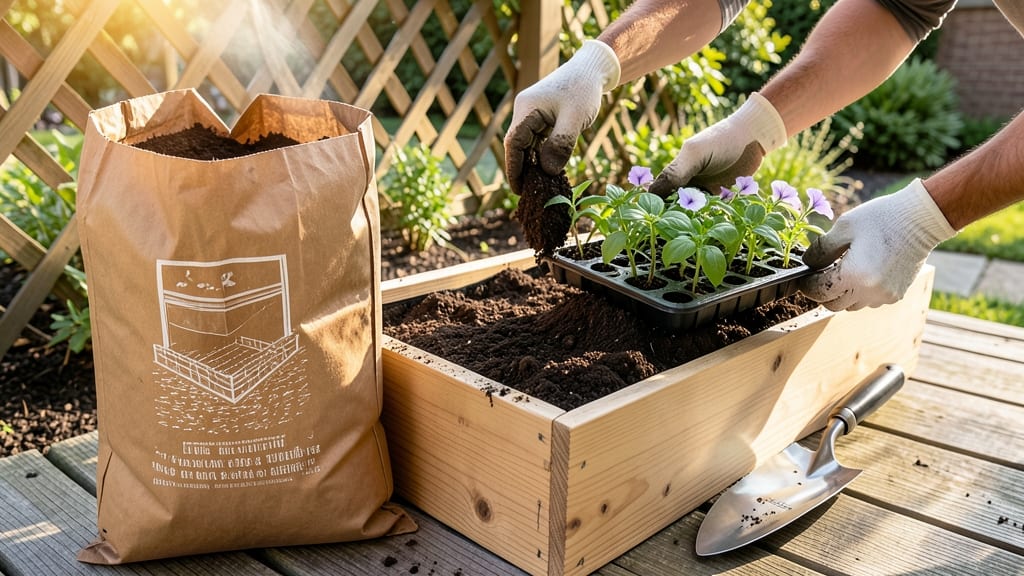
Your potting soil for planter box should hold moisture like a sponge—not a swamp. 🌱 I’ve learned the hard way that the wrong mix leads to root rot or drought-stressed plants, but the right blend keeps everything thriving all season long.
The secret lies in balancing organic matter, drainage, and nutrients—no fancy equipment required. Most store-bought bags labeled "potting soil" work, but they often lack the moisture-retention power planter boxes need.
For herbs and veggies, I mix 50% peat or coconut coir (for moisture) with 30% compost (for nutrients) and 20% perlite or vermiculite (for aeration). This combo stays damp without turning soggy, even in hot summers.
You’ll notice the difference immediately: plants grow faster, flowers bloom longer, and you water half as often. The key is testing your mix—stick your finger in after watering. If it’s bone-dry by morning, add more organic matter. If it stays soggy, boost the perlite.
This approach works for annuals, perennials, and even small trees. Just adjust the ratios based on your plants’ thirst—succulents need less moisture, while lettuce craves it. Let’s get your planter box soil right the first time!
📚 In This Guide
- What you need
- Instructions
- Tips and common mistakes
- Wrapping up and next steps
What you need
- ● Potting soil (moisture-controlled mix): 1 bag (typically 1–2 cubic feet per 12" deep planter box; adjust based on box size). Look for labels like "container mix" or "moisture-retentive blend."
- ● Perlite or vermiculite: 1 cup (improves aeration and drainage; perlite is lightweight, vermiculite retains moisture).
- ● Compost or worm castings: 1–2 cups (boosts nutrients and microbial activity for healthier plants).
- ○ Slow-release fertilizer (optional but recommended): 1–2 tablespoons (e.g., Osmocote or similar; extends nutrient availability for 3–6 months).
- ● Garden trowel or hand shovel: 1 (for mixing and transferring soil).
- ● Large mixing container (wheelbarrow or bucket): 1 (at least 5-gallon capacity for blending).
- ● Gloves and dust mask: 1 pair each (protects hands and lungs from soil particles).
- ● Watering can or hose with a gentle spray nozzle: 1 (for moistening soil before planting).
- ● Coco coir or peat moss: ½ cup (enhances moisture retention in sandy soils).
- ● Biochar: ½ cup (improves soil structure and microbial life).
- ● Mycorrhizal fungi: 1 packet (boosts root health for perennials and woody plants).
- ● Landscape fabric or hardware cloth: 1 sheet (prevents weeds if placing planter boxes on ground level).
- ● Drainage rocks (gravel or lava rock): 1–2 inches layer (if your planter lacks pre-drilled holes).
Step-by-step guide to creating moisture-controlled potting soil for planter boxes
Here's the foolproof blend I use to keep container gardens lush without soggy roots or thirsty plants.
🌱 Step 1: Measure Base Components for Proper Drainage and Aeration
Start with 50% peat moss or coconut coir—this holds moisture while allowing airflow. I use a 5-gallon bucket for my 4-planter mix, so I scoop in 2.5 gallons of peat. This base gives roots room to breathe while retaining enough water for thirsty plants like tomatoes or peppers.
Next, add 25% perlite or vermiculite—this is your moisture regulator. For my mix, that's 1.25 gallons. Perlite creates tiny air pockets that prevent compaction, while vermiculite holds water like a sponge. Tap the bucket gently to settle the mix without compacting it. You'll see the perlite float slightly—this is normal and ensures proper aeration.
🌿 Step 2: Incorporate Organic Matter for Nutrient Density
Add 20% compost or well-aged manure—this feeds your plants slowly. For my 5-gallon mix, that's 1 gallon. I like to sift it first to remove any large chunks that could mat down and block drainage. Work the compost into the peat and perlite mixture with a garden trowel until it's evenly distributed.
Now stir in 5% worm castings—just ¼ gallon for my batch. This might seem small, but worm castings pack a nutrient punch while improving soil structure. Mix it in thoroughly so every handful of soil gets its benefits. You'll notice the blend darkens slightly as the organic matter integrates.
💧 Step 3: Adjust Moisture Levels for Perfect Water Retention
Gradually add water until the mix holds together when squeezed but doesn't drip. I use a hand sprayer to moisten the dry ingredients first, then mix thoroughly. The ideal texture should resemble a damp sponge—firm when pressed but not sticky. If it crumbles, add more water; if it sticks together, incorporate a handful of dry perlite to lighten it.
Test your moisture balance by filling a small container with the mix and watering it. After 10 minutes, press your finger 1 inch deep—it should feel damp but not wet. This ensures roots get consistent moisture without drowning. If water pools on top, your mix needs more perlite to improve drainage.
☀️ Step 4: Condition the Soil for Optimal Plant Performance
Let the mix sit for 24-48 hours before use. This allows the organic matter to settle and the moisture to distribute evenly. I cover the bucket with a damp towel to prevent drying while letting excess water evaporate. After resting, give it one final stir to break up any clumps that may have formed.
For planter boxes, fill them ¾ full with your conditioned mix, leaving room for mulch or additional topsoil later. Press down lightly to eliminate air pockets, then water thoroughly before planting. You'll see roots establish faster because the soil holds moisture without suffocating them—exactly what container gardens need.
Tips & tricks for perfect planter box soil mix
Between us, creating the ideal planter soil blend is all about balance—too much moisture and roots drown, too little and plants wilt. Here's how I perfect mine every time.
Ingredient Selection Matters: When choosing between peat moss and coconut coir for your 2.5-gallon base, coconut coir holds slightly more water while being more sustainable. If you opt for peat, look for premium blends labeled "sphagnum" to ensure proper moisture retention. The perlite-to-vermiculite ratio (1.25 gallons total) is critical—too much perlite makes the mix too dry, while too much vermiculite can compact over time. I keep them equal for that perfect balance.
Mixing Technique Tip: Use a garden trowel to incorporate the compost and worm castings rather than your hands—this prevents compressing the delicate aeration structure we worked so hard to create. After adding the worm castings, give the mix one final thorough stir to ensure those nutrient-rich castings are evenly distributed throughout the 5-gallon batch. You'll notice the blend darkens slightly as the organic matter integrates, which is exactly what we want.
Moisture Testing Hack: That 10-minute moisture test in Step 3 is your quality control moment. Fill a small container with your mix, water it thoroughly, then wait exactly 10 minutes before pressing your finger 1 inch deep. If water pools on top after this test, immediately add another ¼ cup of perlite and remix—this prevents soggy roots while maintaining moisture control. The damp sponge texture is your target, not wet mud or dry crumbs.
Conditioning Wisdom: The 24-48 hour conditioning period might seem like waiting forever, but trust me on this—it's worth it. During this time, the organic matter settles, and the moisture distributes evenly throughout the mix. I cover my bucket with a damp towel to prevent drying while allowing excess water to evaporate naturally. This final conditioning step is what transforms good soil into exceptional planter box loam that keeps roots thriving.
Pro Tips for Potting Soil For Planter Box
- Between us, creating the ideal planter soil blend is all about balance—too much moisture and roots drown, too little and plants wilt.
- Ingredient Selection Matters: When choosing between peat moss and coconut coir for your 2.5-gallon base, coconut coir holds slightly more water while being more sustainable.
- Mixing Technique Tip: Use a garden trowel to incorporate the compost and worm castings rather than your hands—this prevents compressing the delicate aeration structure we worked so hard to create.
Frequently asked questions
Got questions about choosing the perfect potting soil for planter boxes? You’re not alone! Here are some of the most common concerns—and their answers—to help you grow with confidence.
What’s the best potting soil mix for planter boxes?
Look for a moisture-controlled loam blend with 50-60% inorganic matter (like perlite or vermiculite) to prevent compaction and improve drainage. For heavy feeders (tomatoes, peppers), add compost or worm castings. Avoid garden soil—it’s too dense and can suffocate roots!
How often should I water planter boxes with this soil?
Potting soil dries out faster than in-ground soil, so check moisture daily in hot weather. Stick your finger 1-2 inches deep—if it’s dry, water until it drains from the bottom. Overwatering is the #1 killer! Use a moisture meter for accuracy.
Can I make my own potting soil for planter boxes?
Mix 1 part peat moss or coconut coir, 1 part perlite/vermiculite, and 1 part compost. For extra fluff, add 10% composted bark. Sterilize ingredients first (bake soil at 200°F for 30 mins) to kill weeds/seeds. DIY saves money and customizes drainage!
Why do my plants look unhealthy even with good potting soil?
Check for root rot (yellow leaves, foul smell) or nutrient burn (brown edges). Overwatering or poor drainage are often culprits. Try repotting with fresh moisture-controlled loam and adjust watering. Fertilize lightly—container plants need less than in-ground ones!
How long does potting soil for planter boxes last before needing replacement?
Replace soil every 1-2 years (or when it looks exhausted—crusty, smells sour, or plants wilt quickly). Old soil loses nutrients and compacts. Refresh with a 50% top-off of new mix annually to extend its life. Pro tip: Add a slow-release fertilizer when repotting!
Wrapping up and next steps
Choosing the right potting soil for planter boxes is the secret to lush, thriving container gardens! 🌱 A well-balanced mix—rich in organic matter, with proper drainage and moisture retention—sets your plants up for success. Don’t overcomplicate it: focus on quality, adjust for your climate, and watch your green space flourish.
Ready to get growing? Start small: pick a planter box, grab your soil mix, and plant with confidence. Happy gardening—your future blooms will thank you! 🌸