
Tools
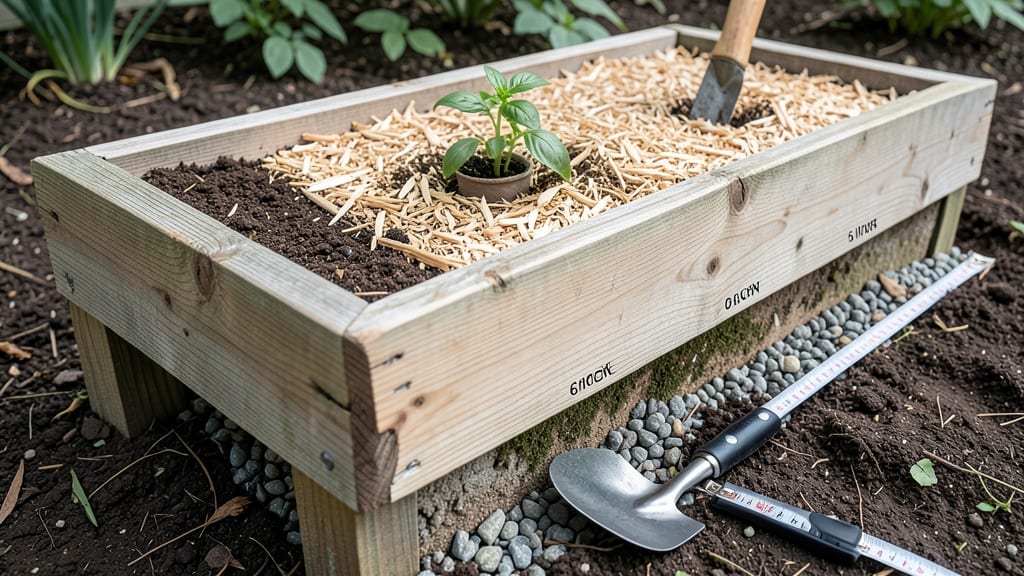
Getting the right raised garden bed soil depth is the difference between a thriving harvest and plants that struggle to take root.
Struggling to get your raised garden beds to produce healthy, thriving plants? The secret might be hiding in your soil depth—and getting it wrong could mean stunted roots, poor yields, or wasted effort.
Most gardeners assume deeper is always better, but the truth is, 6 inches of quality soil is the sweet spot for most vegetables and flowers. This depth gives roots enough room to spread while keeping moisture and nutrients where they matter most.
In this guide, I’ll break down why the 6-inch rule works, how to adjust for different plants, and how to avoid common mistakes that derail even the best-laid plans.
Why 6 inches of soil depth is the gold standard for raised beds
If you're building a raised garden bed, you might wonder why gardeners swear by 6 inches of soil depth as the magic number. This isn't just a random measurement—it's rooted in science and decades of gardening wisdom.
The 6-inch rule balances root growth, nutrient distribution, and moisture retention, creating the perfect environment for most plants to thrive. Without it, you risk shallow roots, poor yields, and wasted resources.
Think of your raised bed like a tiny ecosystem. The top 6 inches of soil is where the majority of roots for most vegetables, herbs, and flowers will grow. This depth provides enough space for roots to access water, nutrients, and oxygen while keeping the soil loose and workable.
It’s also deep enough to prevent overheating in summer or freezing in winter, protecting delicate roots from extreme temperatures.
But here’s the catch: not all plants have the same needs. While 6 inches works for 80% of garden crops, some deep-rooted varieties like asparagus or artichokes demand more.
Understanding these exceptions helps you tailor your raised bed to specific plants without overcomplicating the setup. The key is balancing practicality with plant-specific requirements.
Let’s break down why 6 inches is optimal—and how to adjust for different plants—using real-world examples and expert-backed science. Whether you're growing leafy greens or root vegetables, this depth ensures your plants have the space they need to flourish.
| Plant Type | Root Depth | Ideal Soil Depth | Notes |
|---|---|---|---|
| Leafy Greens (Lettuce, Spinach) | Shallow (6-12 inches) | 6 inches | Fast-growing; benefits from frequent harvests |
| Root Vegetables (Carrots, Radishes) | Medium (12-18 inches) | 10-12 inches | Loose soil prevents forking; deeper beds required |
| Herbs (Basil, Parsley) | Moderate (6-12 inches) | 6-8 inches | Prefers well-draining soil; shallow roots |
| Deep-Rooted (Asparagus, Artichokes) | Very Deep (24+ inches) | 12-18 inches (minimum) | Requires deeper beds or layered soil |
| Flowers (Marigolds, Zinnias) | Moderate (6-12 inches) | 6-8 inches | Bright, colorful blooms thrive in standard depth |
The 6-inch standard isn’t arbitrary—it’s based on how most plants develop. For example, leafy greens like lettuce and spinach have shallow roots that spread horizontally. They only need 6 inches of soil to access nutrients and water efficiently.
This depth also prevents the soil from drying out too quickly, which is critical for fast-growing crops.
Drainage is another critical factor. A 6-inch soil layer in a raised bed ensures excess water drains away quickly, preventing root rot. Unlike in-ground gardens, raised beds don’t have the luxury of natural subsoil to absorb water.
Without proper drainage, roots suffocate, and plants weaken. The 6-inch rule strikes the perfect balance between moisture retention and drainage.
Nutrient distribution is equally important. When you fill a raised bed with 6 inches of high-quality soil, you’re creating a nutrient-rich zone where plants can thrive. This depth allows for the ideal mix of organic matter, compost, and fertilizer to be evenly distributed.
Without enough depth, nutrients get depleted faster, forcing you to fertilize more often and potentially overwhelming your plants.
For deep-rooted plants like asparagus or artichokes, 6 inches simply isn’t enough. These varieties need 12-18 inches of soil to establish strong root systems. If you’re growing these in a raised bed, consider building taller beds or using layered soil techniques.
For instance, you can start with a 6-inch base layer of nutrient-rich soil and add 6 more inches of lighter, looser soil on top.
Even for shallow-rooted plants, deviating from the 6-inch rule can backfire. Too little soil means roots compete for resources, leading to stunted growth. Too much soil can create a barrier where roots struggle to penetrate dense layers.
The 6-inch depth is a sweet spot that works for the majority of gardeners, reducing guesswork and increasing success rates.
Pro tip: If you’re unsure about your soil depth, use a trowel or ruler to measure before planting. Loosen the soil gently to avoid compaction, which can restrict root growth.
For containers or small raised beds, 6 inches is still ideal, but you can adjust by adding a 2-inch layer of compost on top to boost nutrients without increasing depth.
Remember, the goal is to create a healthy, thriving garden with minimal effort. The 6-inch soil depth is your foundation for success—whether you're growing vegetables, herbs, or flowers. Once you master this, you can experiment with deeper beds or layered soil for more demanding plants. Happy gardening! 🌱
How to adjust soil depth for different plants in your raised garden
Not all plants need the same amount of soil to thrive in your raised garden beds. While the 6-inch rule works for most vegetables, some plants—like carrots or asparagus—demand deeper soil to reach their full potential. The key is understanding each plant's root system and adjusting your bed's layers accordingly.
For example, shallow-rooted herbs like basil or thyme can happily grow in just 4-6 inches, while deep-rooted tomatoes or potatoes need 12-18 inches to flourish. Let’s break down how to customize your soil depth without compromising your bed’s structure.
One of my favorite techniques is creating layered soil profiles within the same raised bed. This allows you to grow multiple plant types side by side while meeting their individual needs.
For instance, you can dedicate one corner of your bed to shallow-rooted greens like lettuce or spinach (6 inches of soil) and another to deep-rooted crops like carrots or parsnips (12+ inches). The secret? Use dividers or separate compartments to keep the layers distinct and prevent mixing.
This approach maximizes space and ensures every plant gets the perfect growing environment.
- 🌱 Shallow-rooted plants (4-6" soil): Lettuce, spinach, radishes, herbs (basil, parsley, chives), strawberries.
- 🌿 Medium-rooted plants (6-12" soil): Beans, peas, kale, Swiss chard, beets, bush tomatoes.
- 🌳 Deep-rooted plants (12-18" soil): Carrots, parsnips, asparagus, potatoes, corn, sunflowers.
- 🪴 Layering tip: Use coarse wood chips or landscape fabric between layers to maintain separation.
- 💧 Drainage layer: Add 2-4" of gravel or perlite at the bottom to prevent waterlogging.
- ☀️ Topsoil blend: Mix 60% topsoil, 30% compost, and 10% perlite for optimal aeration.
For container gardens or multi-level beds, you’ll need to get creative with depth adjustments. If your raised bed is only 6 inches deep but you’re craving to grow carrots, consider adding a portable container insert filled with 12+ inches of loose, sandy soil.
These inserts can be removed after harvest to make space for other crops. Another trick is to use stacked raised beds, where each tier is dedicated to plants with specific depth needs.
For example, the top tier could host herbs and greens, while the bottom tier grows potatoes or asparagus. Just ensure each level has proper drainage to avoid soggy roots.
When modifying soil depth, never sacrifice drainage or structure. Over-filling a raised bed can cause it to collapse or develop waterlogged pockets. If you’re adding depth, reinforce the bed’s wooden or metal frame with additional support—especially if you’re exceeding 12 inches.
For heavy plants like potatoes or corn, consider using deeper beds (18-24 inches) or even repurposing old wooden pallets as side panels. The goal is to balance depth with stability, so your plants get the room they need without risking structural failure.
Pro tip: Test your soil depth before planting by using a simple ruler or measuring tape. Press the tool gently into the soil to check for compaction—roots struggle to penetrate dense layers.
If you find resistance, fluff the soil with a garden fork or add more organic matter to improve aeration. Remember, loose soil equals happy roots, and happy roots mean bigger, healthier plants.
Don’t be afraid to experiment with different depths and layering techniques—your garden will thank you with a bountiful harvest!
Finally, rotate your crops annually to prevent soil depletion or disease buildup. Deep-rooted plants like carrots will leave behind nutrient-rich soil, while shallow-rooted herbs might deplete lighter nutrients.
By planning your planting schedule around soil depth needs, you’ll create a dynamic, thriving garden that adapts to each plant’s unique requirements. Happy growing!