
How To
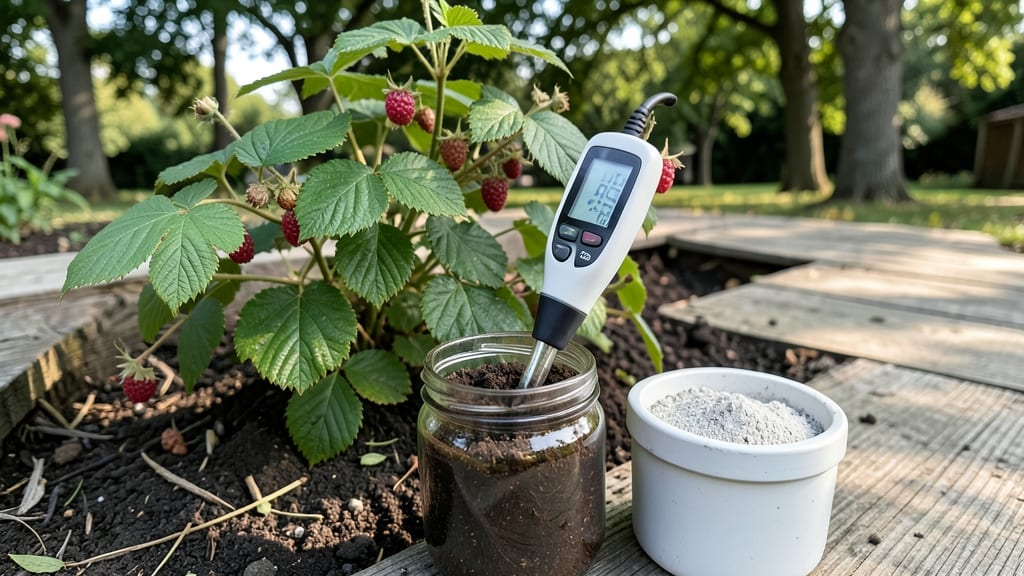
Raspberry soil pH levels between 5.5 and 6.5 are the sweet spot for juicy, abundant harvests 🍇 — but get it wrong, and your bushes might as well be growing in the desert.
Struggling to get your raspberry bushes to produce sweet, plentiful fruit? The secret might be hiding in your soil’s pH—raspberries are famously picky about acidity, and getting it wrong can mean the difference between a thriving patch and a disappointing harvest.
Too alkaline, and your plants can’t absorb key nutrients like phosphorus or iron, leading to yellow leaves and stunted growth. Too acidic, and you risk locking out calcium, causing weak canes and poor fruit set.
In this guide, I’ll walk you through how to test your soil’s pH, the organic fixes to adjust it naturally, and the most common mistakes that even experienced gardeners make.
Ideal raspberry soil pH levels: the science behind acid-loving plants
Raspberries are acid-loving plants, and their soil pH plays a critical role in determining how well they grow and fruit. The ideal pH range for raspberries is between 5.5 and 6.5, though they can tolerate slightly more acidic conditions down to 4.5.
This slightly acidic environment unlocks essential nutrients like iron, manganese, and phosphorus, which are vital for strong canes and sweet berries.
When soil pH strays outside this range, raspberries struggle to absorb nutrients, leading to yellowing leaves, stunted growth, or poor fruit production. For example, if your soil is too alkaline (above 7.0), iron chlorosis can occur, causing leaves to turn yellow between the veins while the veins stay green.
Conversely, overly acidic soil (below 4.5) can lock out essential nutrients like calcium and magnesium, weakening plant health.
| Factor | Optimal Range | Signs of Imbalance | Solution |
|---|---|---|---|
| pH Level | 5.5–6.5 | Yellow leaves, poor fruiting | Test & adjust with amendments |
| Iron Availability | High (acidic) | Yellowing between veins | Lower pH with sulfur |
| Phosphorus Uptake | Moderate (slightly acidic) | Stunted growth | Add compost or bone meal |
| Calcium/Magnesium | Available in 5.5–6.5 | Blossom end rot | Raise pH slightly with lime |
Testing your soil’s pH is the first step to ensuring your raspberries thrive. You can use a home pH test kit (affordable and easy) or send a sample to a local cooperative extension service for professional analysis.
For a quick at-home test, simply mix a soil sample with distilled water, then use the kit’s color chart to determine your pH. Raspberries prefer slightly acidic soil, so aim for that 5.5–6.5 range.
If your soil tests too alkaline, you can lower the pH naturally by adding organic matter like peat moss, pine needles, or composted leaves. These amendments release hydrogen ions over time, gradually acidifying the soil.
Conversely, if your soil is too acidic, limestone or wood ash can raise the pH by neutralizing excess acidity. Always test your soil again after making adjustments to ensure you’ve reached the ideal range.
Another key factor is nutrient availability. In slightly acidic soil, raspberries can efficiently absorb micronutrients like zinc and copper, which are crucial for disease resistance and flavor development. For instance, low soil pH increases iron solubility, preventing the yellowing leaves that signal iron deficiency.
Without proper pH, even the most fertile soil can fail to support healthy raspberry growth.
Signs of pH imbalance often appear in the leaves before affecting fruit production. If you notice yellowing between leaf veins (iron deficiency) or purple tinges on undersides (phosphorus deficiency), your soil may be too alkaline.
On the other hand, small, sparse leaves or poor flowering can indicate overly acidic soil. Addressing these issues early can save your harvest and keep your raspberries productive for years.
For container-grown raspberries, pH management is even more critical because you have less soil volume to buffer changes. Use a well-draining potting mix with added sphagnum peat or pine bark to maintain acidity.
Monitor pH every 2–3 months during the growing season, especially if you’re fertilizing regularly, as fertilizers can alter soil acidity over time.
In my own garden, I’ve found that regular pH testing and organic amendments make a world of difference. Last year, my raspberries struggled with yellow leaves until I tested the soil and discovered a pH of 7.2—far too alkaline!
After adding sulfur and composted pine needles, the pH dropped to 6.0, and my bushes produced twice as many berries the following season. The key is patience and consistency—soil pH isn’t something you fix once and forget.
Remember, raspberries are acid-loving plants, but they’re not the only ones. Many berries, like blueberries and cranberries, thrive in acidic soil. However, raspberries are more flexible and can tolerate a slightly wider pH range compared to blueberries, which prefer 4.5–5.5.
This makes them a great choice for gardeners who want sweet, productive berries without extreme soil adjustments.
To keep your raspberries happy, aim for that 5.5–6.5 pH range, test regularly, and adjust as needed. With the right soil conditions, your bushes will reward you with vibrant canes, lush foliage, and a bountiful harvest of sweet, juicy berries. Happy gardening! 🌱🍇
How to adjust raspberry soil pH: organic fixes for perfect conditions
Raspberries thrive in slightly acidic soil with a pH range of 5.5–6.5. If your soil is too alkaline or acidic, your plants may struggle to absorb essential nutrients like iron, manganese, and phosphorus, leading to poor fruit production.
The good news? You can adjust your soil pH organically without harsh chemicals. Let’s dive into the best methods to create the perfect growing conditions for your raspberry bushes.
Before making changes, test your soil’s pH using a home soil test kit or send a sample to your local cooperative extension service. Once you know your current pH, you can choose the right organic amendments.
For example, if your soil is too alkaline (pH above 6.5), you’ll need to lower the pH, while acidic soil (pH below 5.5) requires raising the pH. Organic fixes like sulfur, peat moss, or wood ash are your best allies.
Lowering pH (For Alkaline Soil)
✅ Slow-acting but long-lasting
✅ Works well in clay or loamy soils
✅ Can be mixed into soil or sprinkled on top
✅ Free and easy to find
✅ Adds organic matter while lowering pH
❌ Takes longer to show results
Raising pH (For Acidic Soil)
✅ Quickly raises pH
✅ Adds potassium to soil
❌ Use sparingly—too much can make soil too alkaline
✅ Improves soil structure
✅ Gradually raises pH over time
❌ Limited availability in some regions
To lower pH, apply elemental sulfur at a rate of 1–2 pounds per 100 square feet for every 1 pH point you need to lower. For example, if your soil pH is 7.0 and you want it at 6.0, apply 2 pounds of sulfur per 100 sq ft.
Work it into the top 6–8 inches of soil in early spring or fall. Pine needles are another great option—spread a 2–3 inch layer around your raspberry bushes and mulch them in place. This method is slower but adds organic matter to improve soil health.
If your soil is too acidic, wood ash is the fastest way to raise pH. Sprinkle 1–2 cups per plant and work it into the soil.
Be cautious—too much ash can make your soil too alkaline, so test your pH again after a few weeks. Peat moss is a gentler alternative. Mix 1–2 inches into the topsoil or use it as a mulch.
It won’t raise pH as quickly as ash but improves soil structure and moisture retention.
After applying amendments, wait 2–4 months before retesting your soil pH. Organic fixes take time to work, so patience is key. If you’re still not seeing the desired results, you may need to apply more amendments.
For example, sulfur can take 3–6 months to fully adjust pH, while wood ash works within 2–4 weeks. Always aim for small, gradual changes to avoid shocking your raspberry plants.
Remember, maintaining the right pH isn’t just about adding amendments—it’s also about long-term soil health. Incorporate compost or well-rotted manure annually to improve soil structure and nutrient availability.
Avoid over-fertilizing, as excess salts can further disrupt pH balance. With the right adjustments, your raspberry bushes will thrive, producing sweet, abundant fruit year after year. 🍇