
How To
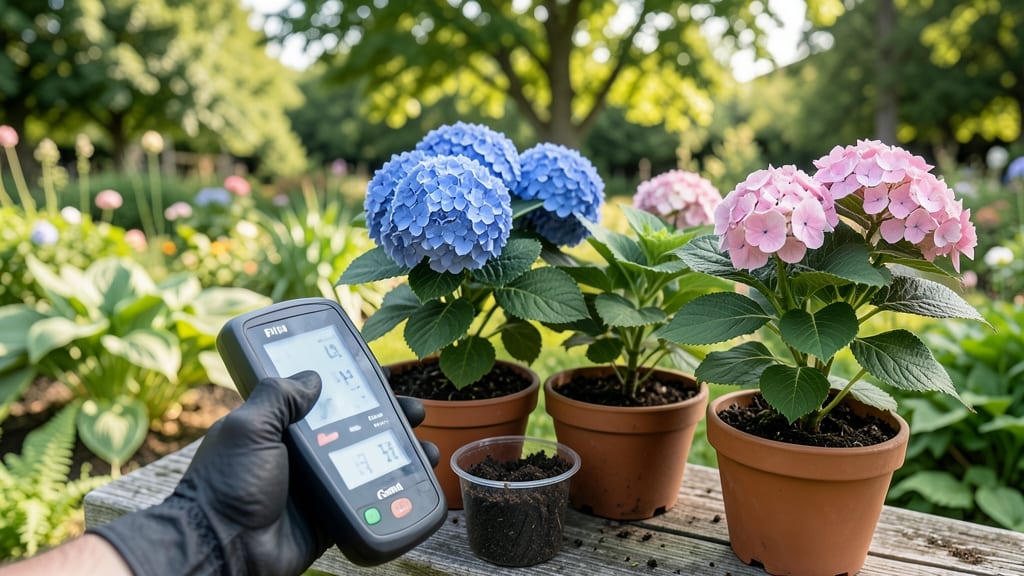
The recommended soil pH for plants ranges widely—acidic (4.5–5.5) for blueberries, neutral (6.0–7.0) for most vegetables, or slightly alkaline (7.5–8.0) for cacti. Proper pH testing with a kit or meter maximizes nutrient uptake and plant vitality.
Soil pH directly impacts which nutrients your plants can access. 🌱 For example, acidic soil helps blueberries absorb iron, while alkaline conditions suit cacti by preventing root rot.
Many gardeners overlook this detail, but even a small pH shift can lock out essential minerals like phosphorus or magnesium, leading to yellowing leaves or stunted growth. I always recommend starting with a simple test kit before amending—it saves time and money by targeting adjustments precisely.
Adjusting pH takes patience. Adding elemental sulfur lowers pH gradually over weeks, while crushed limestone raises it more quickly. The key is consistency—recheck your soil every few months, especially after heavy rains or seasonal changes.
Pro tip: Compost naturally buffers soil pH, so mixing in aged compost can help stabilize fluctuations without harsh chemicals.
💡 In This Article
- How Soil pH Affects Nutrient Availability for Plants
- DIY Soil pH Testing Methods and Adjustment Tips
How soil pH affects nutrient availability for plants
Soil pH acts like a gatekeeper for nutrients—it determines whether essential minerals dissolve and become accessible to plant roots. At pH 6.0-7.0 (neutral), most nutrients like nitrogen, phosphorus, and potassium remain soluble and available. But step outside this range, and trouble begins.
For instance, iron—a critical nutrient for chlorophyll production—becomes nearly unusable in alkaline soil above pH 7.5 because it binds tightly to soil particles. This is why blueberries, which thrive in acidic soil (4.5-5.5), develop chlorosis (yellow leaves) when planted in neutral soil.
The chemistry gets even more complex when you consider how pH affects microbial activity. Beneficial soil bacteria and fungi, which help break down organic matter into plant-available forms, prefer slightly acidic conditions around pH 6.0-6.5. In alkaline soils, these microbes struggle, reducing nutrient cycling.
Conversely, pH below 5.5 can make aluminum and manganese toxic to roots, causing stunted growth. The balance is delicate—like Goldilocks, plants need "just right" conditions for optimal health.
Nutrient availability isn't the only factor at play—soil pH also influences how plants absorb water. In highly acidic soils (pH 4.0-4.5), hydrogen ions can damage root cell membranes, reducing water uptake.
This is why acid-loving plants like azaleas and gardenias grow poorly in alkaline conditions unless you amend the soil with peat moss or pine bark fines to lower the pH. The texture of the soil changes too: acidic soils often feel gritty due to iron oxide buildup, while alkaline soils may develop hardpan layers that restrict root penetration.
Here's what happens when pH strays too far from a plant's ideal range:
- Too acidic (pH 4.5): Aluminum and manganese become soluble, poisoning roots and stunting growth
- Too alkaline (> pH 7.5): Iron, zinc, and copper lock up, causing yellowing leaves (chlorosis) even when soil has plenty of these nutrients
- Extreme pH (3.0 or 9.0): Microbial activity nearly halts, reducing organic matter breakdown and nutrient cycling
Consider tomatoes as a case study. They prefer pH 6.0-6.8 for optimal fruit production. In alkaline soil, they can't access enough iron, leading to yellowing between leaf veins—a classic sign of deficiency. Yet, in overly acidic soil, the excess hydrogen ions interfere with calcium uptake, causing blossom-end rot.
The solution? Test your soil and adjust gradually—adding 1-2 pounds of lime per 100 square feet raises pH by about 0.5 units over 2-3 months.
What most gardeners don't realize is that soil pH affects more than just nutrients—it shapes the entire ecosystem underground. Fungal networks that connect plants (mycorrhizae) thrive in slightly acidic soil, while bacterial communities dominate in neutral to alkaline conditions.
Each type plays a unique role in nutrient exchange, water regulation, and disease suppression. For example, pH 5.5-6.0 supports robust mycorrhizal growth, which can boost plant resilience by up to 30% in drought conditions. 🌱