
Neem Oil
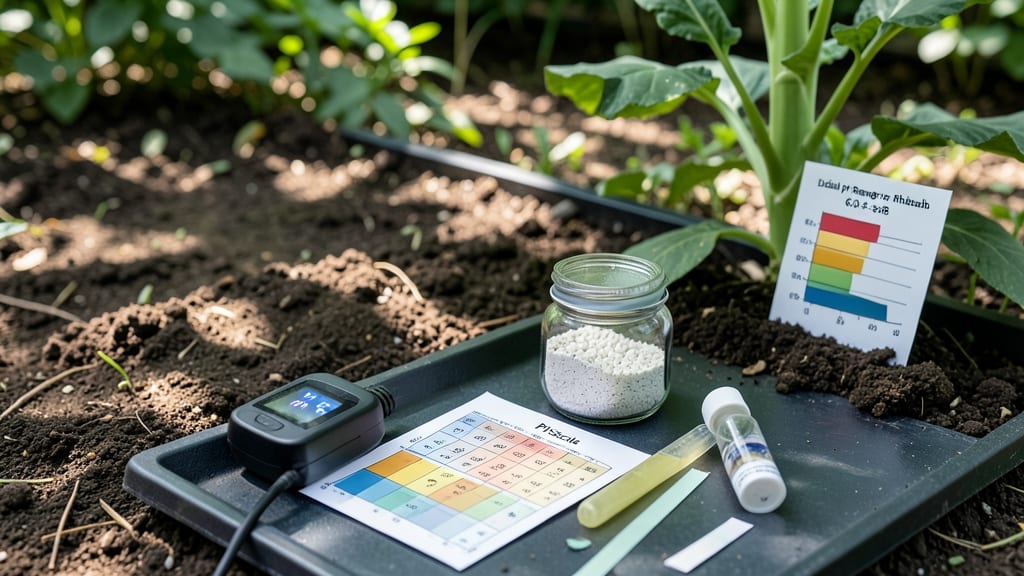
Growing rhubarb with the right soil pH is the secret to those plump, tangy stalks you crave — aim for a range of 5.5 to 6.5 to unlock the plant’s full potential.
Here’s the catch: most gardeners assume their soil is fine, only to watch their 🌱 rhubarb struggle with yellowing leaves or stunted growth. The truth? Even a slight pH drift can block nutrients, leaving your plants weak and your harvests disappointing.
Testing your soil is the first step, and adjusting it doesn’t have to be complicated. Whether you’re dealing with soil that’s too acidic or alkaline, I’ll walk you through easy, organic fixes that get results without guesswork.
By the end, you’ll know exactly how to tweak your soil for healthier rhubarb, troubleshoot common pH mistakes, and keep your plants thriving year after year.
Ideal soil pH range for rhubarb growth & how to test it
Rhubarb plants are famously picky about their growing conditions, and soil pH is one of the most critical factors for healthy growth. Aim for a pH range of 5.5 to 6.5—this slightly acidic to neutral soil unlocks the nutrients rhubarb needs to produce those plump, sweet-tart stalks we love.
When the pH strays too far from this range, nutrient absorption falters, leading to stunted growth, yellowing leaves, or even poor stalk development.
Why does pH matter so much? Rhubarb roots struggle to access essential nutrients like phosphorus, calcium, and magnesium when soil pH is off. For example, a pH below 5.0 can cause aluminum and manganese toxicity, while a pH above 7.0 locks out iron and zinc.
Testing your soil is the first step to ensuring your rhubarb thrives—let’s dive into how to do it accurately.
| Factor | Ideal Range | Effect on Rhubarb | Testing Method |
|---|---|---|---|
| Soil pH | 5.5–6.5 | Optimal nutrient uptake; vibrant stalk growth | DIY test kit or lab analysis |
| Below 5.0 | Too acidic | Aluminum toxicity; yellow leaves; poor root development | Add lime to raise pH |
| Above 7.0 | Too alkaline | Iron/zinc deficiency; stunted stalks; chlorotic leaves | Add sulfur or peat moss |
| Nutrient availability | Peak at 6.0 | Maximizes phosphorus, calcium, and magnesium absorption | Test soil annually |
| Organic matter | 3–5% | Improves soil structure and buffers pH naturally | Add compost or aged manure |
Testing your soil’s pH is simpler than you think. For a quick and affordable method, grab a DIY soil test kit from your local garden center. These kits use color-changing indicators when mixed with soil and water.
Follow the instructions carefully—usually, you’ll mix 1 part soil with 2 parts water, add the test solution, and compare the color to the chart provided. Most kits give results in about 10 minutes.
If you prefer lab-tested accuracy, send a soil sample to your local cooperative extension service or a private lab. They’ll analyze not just pH but also nutrient levels, giving you a complete picture.
To collect a sample, use a clean trowel to gather soil from 4–6 spots around your rhubarb patch, about 6 inches deep. Mix these samples in a bucket, then fill a sample bag to the indicated line. Lab tests cost around $15–$25 but provide precise, actionable data.
Once you’ve tested your soil, interpret the results with rhubarb’s needs in mind. If your pH reads below 5.5, your rhubarb is at risk of nutrient deficiencies. To raise the pH, work pelletized lime into the top 6 inches of soil in early spring or fall.
Start with 5–10 pounds per 100 square feet and retest in 2–3 months. For pH above 6.5, add elemental sulfur or peat moss to lower it gradually.
Don’t forget that organic matter like compost naturally buffers soil pH. Amending your soil with 2–3 inches of compost annually helps maintain that ideal 5.5–6.5 range while improving soil structure. This is especially useful if your soil is naturally sandy or clay-heavy, as these textures can affect pH stability.
Regularly testing and amending your soil ensures your rhubarb gets the nutrients it needs year after year.
Pro tip: Test your soil in early spring before planting or fertilizing. This gives you time to adjust the pH before your rhubarb’s active growing season begins.
Consistency is key—rhubarb is a perennial, so maintaining the right pH will pay off for years with fewer pests, healthier plants, and those coveted juicy stalks you can’t get enough of.
Remember, rhubarb is resilient, but it won’t thrive if ignored. Paying attention to soil pH is like giving your plants a health checkup—it’s the difference between a few scraggly stalks and a bountiful harvest. Happy testing, and may your rhubarb patch be forever lush and productive!
How to adjust soil pH for rhubarb: organic & chemical methods
Rhubarb plants are surprisingly sensitive to soil pH, and even small deviations from the ideal range can stunt growth or reduce stalk quality. If your pH test reveals levels outside 5.5–6.5, don't panic—adjusting it is simpler than you think.
The key is choosing the right amendment and applying it correctly to avoid overcorrection, which can harm your rhubarb's roots.
For alkaline soil (pH above 6.5), you'll need to lower the pH using sulfur-based amendments, while acidic soil (below 5.5) requires raising the pH with lime or organic matter. Both methods have trade-offs, so let's explore your options with clear dosage guidelines to get your rhubarb thriving in perfect conditions.
Lowering pH (For Alkaline Soil)
✅ Works slowly (weeks to months)
✅ Long-lasting effects
✅ Precise dosage control
❌ Requires reapplication
❌ Can cause temporary sulfur smell
✅ Faster results (days to weeks)
✅ Good for urgent fixes
❌ Can over-acidify if overused
❌ More expensive
Raising pH (For Acidic Soil)
✅ Fast-acting (weeks)
✅ Widely available
✅ Precise pH control
❌ Can raise pH too quickly
❌ May contain impurities
✅ Organic option
✅ Adds potassium
❌ Slow to work (months)
❌ Uneven distribution
To lower alkaline soil, apply elemental sulfur at 1–2 pounds per 100 sq ft for every 1.0 pH point you need to drop. For example, if your soil is at 7.5 and you want 6.5, apply 2 pounds per 100 sq ft.
Work it into the top 6 inches of soil and water thoroughly. Aluminum sulfate is faster but should be used at 50% of the sulfur rate due to its stronger effect.
For acidic soil, spread pelletized lime at 5–10 pounds per 100 sq ft to raise pH by 0.5–1.0 points. Organic options like pine needles or coffee grounds work slowly but are safer for long-term use.
Mix 2–3 inches of pine needles into the soil annually, or apply 1–2 cups of coffee grounds per plant every few months. Always retest soil 3–6 months after amending.
Timing matters too! Adjust pH in early spring or fall when rhubarb isn't actively growing. Avoid amending during hot, dry periods, as this can stress the plant.
If you're unsure about your soil's current pH, grab a DIY test kit (like LaMotte or MySoil) for $10–$20—it's the easiest way to track progress and avoid overcorrection.
Remember, organic amendments like compost or well-rotted manure can also help stabilize pH over time. Aim for 2–3 inches of compost mixed into the soil before planting. This won't shift pH drastically but creates a buffering effect that keeps conditions ideal for your rhubarb's long-term health.