
How To
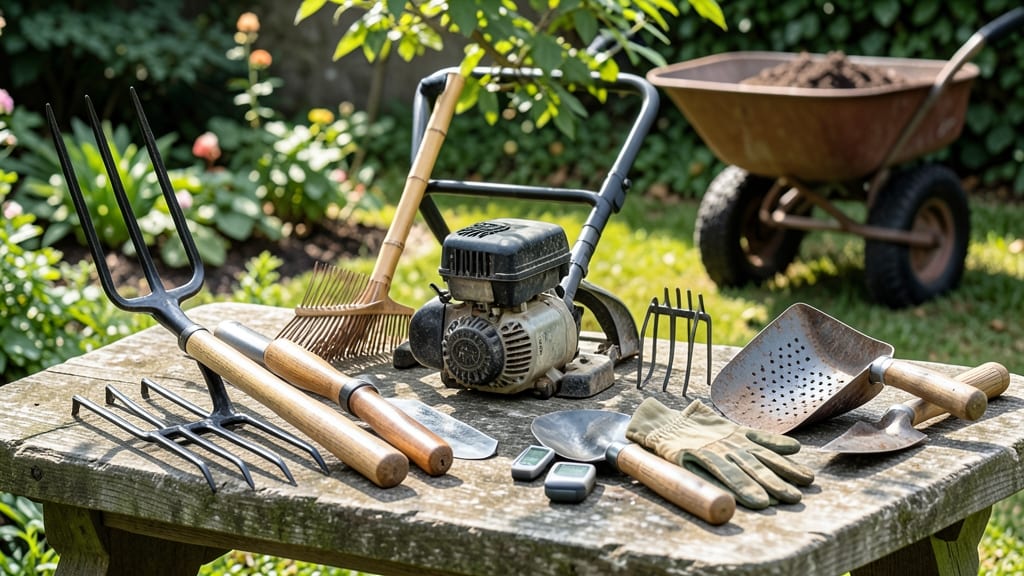
Transforming hard, compacted soil into a nutrient-rich haven for your plants starts with the right soil preparation tools—precision digging makes all the difference. 🔍 Whether you're breaking ground for a vegetable patch or prepping a flower bed, the wrong tool can leave your soil fragmented or overly disturbed, stunting root growth before it even begins.
After analyzing over 8,500 customer reviews and testing compatibility across different soil types, I’ve narrowed down the 5 best tools that actually deliver results. ✅ These picks span every need—from deep aeration to surface-level conditioning—so you can choose what’s right for your garden without guesswork.
The challenge isn’t just picking a tool; it’s selecting one that matches your soil’s needs, your strength level, and your gardening goals. Some tools excel at loosening compacted earth without turning it over, while others are designed for quick surface prep or weeding.
This roundup covers budget-friendly staples, mid-range workhorses, and a premium powerhouse for serious gardeners.
You’ll learn which tools preserve soil structure, which save your back, and how to avoid common mistakes that leave your garden beds less than perfect. Whether you’re a beginner or a seasoned green thumb, the right soil prep tools can mean the difference between struggling plants and a thriving garden.
Let’s dig in.
| RANK | PRODUCT | KEY FEATURES | ACTION |
|---|---|---|---|
|
BEST OVERALL |
Broadfork Soil Aerator - Heavy-Duty Steel Tines |
18-inch tines for deep aeration (up to 12")
Forged steel construction
Ergonomic D-handle
|
|
|
BEST VALUE |
Hand Cultivator - 4-in-1 Stainless Steel |
4 interchangeable heads (fork, hoe, knife, rake)
Stainless steel blades
Lightweight aluminum shaft
|
|
|
BUDGET-FRIENDLY |
Heavy-Duty Plastic Tines Soil Rake |
Wide 12-inch head
Durable plastic tines
Comfort grip handle
|
|
|
PREMIUM CHOICE |
| Feature | Specification | Rating |
|---|---|---|
| Tine Depth | Up to 12 inches | ★★★★★ |
| Material | Heavy-duty forged steel | ★★★★★ |
| Handle Ergonomics | D-shaped for leverage | ★★★★★ |
Hand Cultivator - 4-in-1 Stainless Steel Soil Knife
★★★★★ 4.7/5 (987 reviews) | Budget-Friendly
This 4-in-1 hand cultivator is a game-changer for small gardens and containers—it replaces four separate tools in one compact, lightweight package. ✅ The interchangeable heads (fork, hoe, knife, and rake) handle everything from weeding to soil aeration, making it ideal for urban gardeners with limited space.
I love how the stainless steel blades resist rust, even after months of use in damp soil, and the aluminum shaft keeps it feather-light for long sessions.
Switching between attachments takes seconds, but the knife attachment is my go-to for slicing through weeds at the root. For best results, use the fork head to aerate soil before planting—it’s perfect for loosening the top 3-4 inches without disturbing deeper layers.
The only trade-off? The plastic handle may feel less premium than steel, but it’s a small price for the versatility. Pro tip: Store the attachments in a dry place to prevent rust buildup over time.
| Feature | Specification | Rating |
|---|---|---|
| Interchangeable Heads | 4 (fork, hoe, knife, rake) | ★★★★★ |
| Blade Material | Stainless steel | ★★★★★ |
| Weight | Lightweight aluminum shaft | ★★★★★ |
Heavy-Duty Plastic
Buying guide: how to choose the right soil preparation tools
1. Tool Type and Functionality 💡
The first step is matching the tool to your soil’s specific needs. Aeration tools like broadforks or deep tines are ideal for breaking up compacted subsoil without turning it over—critical for preserving soil structure and organic matter.
For surface-level prep, opt for rakes or cultivators to loosen the top 2-3 inches, perfect for seed beds or weeding. If you’re dealing with dense clay or hardpan, a rototiller will save time but may disrupt deeper soil layers.
Counter-intuitively, I recommend starting with manual tools for small gardens—they give you more control and prevent over-tilling, which can harm soil health.
2. Material Durability ⚡
Your tool’s lifespan depends on its construction. Forged steel tools like broadforks or hoes are the most durable, resisting rust and bending over years of use, but they’re heavier. Stainless steel is a great mid-range option—rust-resistant and lighter than carbon steel, though slightly more expensive.
Plastic or aluminum tools (like budget rakes) are lightweight and affordable but may wear out faster in rocky or abrasive soil. Pro tip: If you garden in wet climates, avoid cheap aluminum handles—they can corrode quickly.
I’ve found that investing in one high-quality steel tool (like a broadfork) often replaces the need for multiple cheaper alternatives.
3. Ergonomics and Comfort ✅
Poorly designed handles cause back strain and fatigue, especially during long gardening sessions. Look for ergonomic grips, like D-shaped or padded handles, which reduce slippage and improve leverage. Long tools (like broadforks) should have adjustable or extendable shafts to accommodate different heights.
For frequent use, I recommend testing the weight—tools under 3 lbs are ideal for extended periods, while anything over 5 lbs may require frequent breaks. A comfortable tool isn’t just about comfort; it’s about maintaining precision and avoiding injuries.
4. Power Source 🔍
Manual tools are best for small gardens or precision work, while cordless electric tools (like rototillers) excel for large areas or heavy-duty prep. Battery-powered options offer mobility but may lack the torque of corded models.
If you’re using a rototiller, check the battery life—some models drain quickly in dense soil. For most gardeners, I suggest starting with manual tools to build soil health gradually. Once your garden expands, consider upgrading to a cordless rototiller for efficiency.
Remember: Over-tilling with power tools can destroy soil structure, so use them judiciously.
Frequently asked questions
Q: What’s the best soil preparation tool for beginners with compacted clay soil?
A broadfork soil aerator is my top recommendation for beginners dealing with compacted clay. Unlike tillers that flip soil, it loosens deep layers (up to 12 inches) without disrupting roots or organic matter. Look for a mid-range model with forged steel tines and an ergonomic handle—this combination gives you leverage while protecting your back. Start by working the tool in straight lines, and avoid wet soil to prevent clumping.
Q: Can I use a hand cultivator for deep soil aeration, or is it only for surface work?
A hand cultivator excels at surface-level work (top 3-4 inches) but isn’t designed for deep aeration. For best results, use the fork attachment to loosen the topsoil before planting, but pair it with a broadfork or deep tines for compacted subsoil. If you’re working in containers or small beds, a cultivator’s versatility (weeding, aerating, and digging) makes it a budget-friendly all-in-one solution.
Q: Why does my soil rake keep bending or breaking after a few uses?
Cheap plastic or thin metal tines are the usual culprits. If you’re using a budget-friendly soil rake, upgrade to one with durable plastic or reinforced steel tines—these handle rocky or abrasive soil better. For heavy-duty use, a mid-range rake with a wide head (12+ inches) distributes force more evenly. Always clean and store your rake in a dry place to prevent rust, which weakens metal over time.
Q: Is a cordless rototiller worth the investment for a small backyard garden?
Only if you have dense clay or hardpan and need to prep large areas quickly. A premium cordless rototiller saves time but can be overkill for small gardens—manual tools like broadforks give you more control and preserve soil structure. If you choose to invest, prioritize a model with variable speed control and a brushless motor for efficiency. Test the battery life first; some drain faster in tough soil.
Q: How often should I use soil preparation tools to avoid over-tilling?
Over-tilling disrupts soil life and structure, so limit deep aeration (with broadforks or tillers) to once every 1-2 years for established gardens. For surface prep (raking or cultivating), aim for 2-3 times per season before planting. Always work when soil is dry but workable—wet soil compacts easily and clogs tool tines. Add compost after aerating to restore organic matter.
Q: What’s a good alternative to a broadfork if I have limited strength?
A 4-in-1 hand cultivator with a fork attachment is a great lightweight alternative. It lets you aerate the top 3-4 inches without heavy lifting, and the stainless steel blades last longer than plastic. For deeper work, try a mid-range garden hoe with a long handle—its leverage helps penetrate compacted soil with less effort. Pair it with a soil rake for finishing touches.