
How To
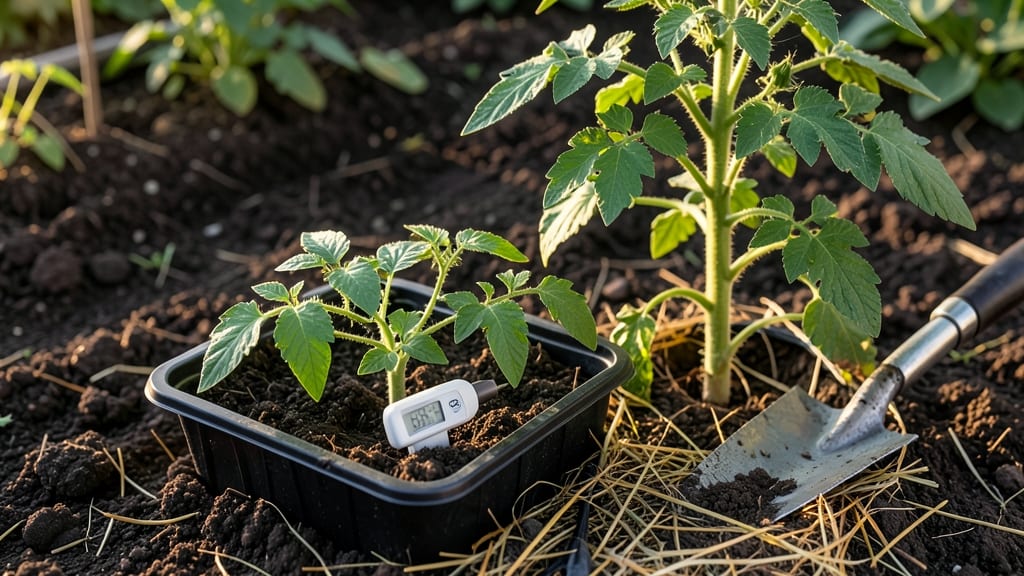
Planting tomatoes when the soil temp for planting tomatoes hits 50–90°F makes all the difference between wilted seedlings and a thriving vine. 🌱 I’ve learned the hard way—last spring, my transplants sat in cold soil for weeks, struggling to root before the heat arrived.
The right temperature jumpstarts growth, prevents disease, and ensures your plants hit the ground running.
Most gardeners wait until after the last frost, but that’s not enough—soil needs to warm up first. A simple soil thermometer (just $10) lets you check daily. If it’s below 50°F, hold off; above 90°F, and you risk shock. The sweet spot? 60–70°F for seeds, 65–75°F for transplants.
You’ll see roots establish in 3–5 days when conditions are right, with sturdy stems ready to support heavy fruit. The payoff? Bigger yields and plants that outpace pests. Warmer soil also means fewer fungal issues—no more sad, rotting stems.
For cooler zones, try black plastic mulch or row covers to warm the soil faster. And if you’re starting seeds indoors, keep them cozy at 70–80°F until transplant time. Here’s how to nail it every season.
📚 In This Guide
- What you need
- Instructions
- Tips and common mistakes
- Wrapping up and next steps
What you need
- ● Soil thermometer: A digital or dial-style thermometer with a probe depth of at least 4 inches (for accurate readings). 💡 Pro tip: Look for one with a hold function to avoid constant checking!
- ● Tomato seeds or seedlings: Seeds: 1–2 packets (50–100 seeds per packet, depending on variety). Store in a cool, dry place until planting.
- ● Seedlings: 4–6 healthy, disease-free plants (check for sturdy stems and green leaves).
- ● Garden soil or potting mix: A well-draining, nutrient-rich mix (e.g., 50% topsoil + 50% compost or a pre-mixed tomato blend). Avoid heavy clay soils unless amended.
- ● Planting containers or garden bed: Containers: 5-gallon pots or larger (one per plant). Ensure they have drainage holes.
- ● Garden bed: A sunny spot (6–8+ hours of light/day) with loose, fertile soil.
- ● Fertilizer: A balanced, slow-release fertilizer (e.g., 10-10-10 or composted manure). Avoid high-nitrogen fertilizers early on.
- ● Mulch: Organic mulch like straw, grass clippings, or shredded leaves (2–3 inches thick) to retain moisture and regulate soil temp.
- ● Watering can or hose with a gentle nozzle: For deep, even watering (avoid overhead sprinklers to prevent disease).
- ● Row covers or cloches: Lightweight fabric or plastic to protect seedlings if nighttime temps dip below 50°F.
- ● Soil warming mat: A low-voltage mat (for containers) to boost soil temp in cooler climates.
- ● pH test kit: To ensure your soil is in the ideal range (6.0–6.8) for tomatoes.
- ● Plant labels: Wooden or metal stakes to track varieties and planting dates.
- ● Gloves and knee pads: For comfort during planting and soil prep!
How to check and optimize soil temperature for planting tomatoes
Tomatoes thrive when soil temperature aligns with their growth stage—here’s how to test and adjust it for the best start.
🌱 Step 1: Test Soil Temperature Before Planting
Use a soil thermometer to check the temperature 4-6 inches deep, where roots will establish. Tomatoes need 50–90°F for optimal germination and growth—below 50°F slows root development, while above 90°F stresses seedlings. I like to test in the morning when soil is coolest, as afternoon sun can skew readings.
If your soil is below 50°F, wait until temperatures rise naturally or use black plastic mulch to warm it faster. For above 90°F, plant in partial shade or use shade cloth until soil cools. This ensures roots grow strong instead of struggling to adapt to extreme conditions.
☀️ Step 2: Warm Cold Soil Faster with Mulch or Row Covers
Lay black plastic mulch 2-3 weeks before planting to raise soil temperature by 5–10°F by absorbing sunlight. Alternatively, use row covers during the day to trap heat while allowing light through. I’ve seen soil warm from 45°F to 60°F in just a week with this method.
Remove covers at night to prevent overheating. If you’re in a cooler climate, combine mulch with a cold frame for extra protection. Watch for condensation on the underside of covers—this means moisture is trapped, which can lead to fungal issues if left too long.
⏰ Step 3: Time Planting for Ideal Temperature Windows
For transplants, aim for soil temps of 55–65°F—this range encourages root growth without shocking the plant. If you’re sowing seeds directly, wait until soil hits 60°F or higher, as cooler temps delay germination. I always check a 5-day forecast to avoid planting just before a cold snap.
In Zone 5 or cooler, use straw mulch after planting to maintain warmth. In hotter zones (8+), plant early in the season or use shade cloth until soil stabilizes. The key is consistency—tomatoes hate sudden temperature swings, which can stunt growth or invite disease.
💧 Step 4: Adjust Watering to Stabilize Soil Temperature
Water deeply in the early morning to let soil warm naturally during the day. Avoid evening watering, as moist soil cools faster overnight. I water my tomato beds every 2–3 days in summer, checking soil moisture 2 inches deep—if it’s dry, it’s time to water.
If your soil is too hot (above 90°F), water more frequently to cool it down. For cold soil, use warm water (not boiling) to raise the temperature slightly. A damp soil heats up faster than dry soil, so keep it evenly moist but not soggy—this balance is critical for root health.
✂️ Step 5: Monitor and Adjust After Planting
Check soil temperature weekly after planting, especially if weather shifts. Tomatoes show stress when leaves yellow or curl—this often means soil is too hot or too cold. If roots struggle, you’ll see stunted growth or wilting even with adequate water.
For container-grown tomatoes, use heat-resistant pots and move them to shaded areas if soil exceeds 90°F. In-ground plants benefit from raised beds, which warm faster in spring. The goal is to keep roots consistently in the 60–80°F range—this ensures steady growth and higher yields.
Tips & tricks for perfect tomato planting conditions
Getting your tomato soil just right makes all the difference between healthy plants and struggling seedlings. Here’s how to optimize those critical growing conditions.
Precision Testing: Always check soil temperature at 4-6 inches deep—this is where roots will establish. I’ve found that morning readings are most accurate because afternoon sun can inflate temperatures by 5-10°F. The 50–90°F range isn’t just arbitrary—it’s the sweet spot where root development accelerates without stressing the plant. Use a soil thermometer for exact readings rather than guessing.
Mulch Timing Strategy: When using black plastic mulch, start laying it 2-3 weeks before planting—this gives the soil time to warm up gradually. I’ve seen dramatic results where soil jumped from 45°F to 60°F in just a week. Pro tip: Remove row covers at night to prevent overheating, which can actually stress seedlings more than cold soil.
Zone-Specific Adjustments: Gardeners in Zone 5 or cooler should focus on maintaining warmth after planting with straw mulch, while those in hotter zones (8+) need shade cloth to prevent soil from exceeding 90°F. The key is consistency—tomatoes hate temperature swings, which can trigger disease or stunt growth. I always check a 5-day forecast before planting to avoid sudden cold snaps.
Watering Wisdom: Watering in the early morning lets soil warm naturally during the day, while evening watering can drop temperatures too quickly. For hot soil above 90°F, increase watering frequency—this cools the soil while maintaining moisture. The 2-inch deep moisture check is crucial: if dry, it’s time to water; if soggy, you’re risking root rot.
Pro Tips for Soil Temp For Planting Tomatoes
- Getting your tomato soil just right makes all the difference between healthy plants and struggling seedlings.
- Precision Testing: Always check soil temperature at 4-6 inches deep—this is where roots will establish.
- Mulch Timing Strategy: When using black plastic mulch, start laying it 2-3 weeks before planting—this gives the soil time to warm up gradually.
Frequently asked questions
about soil temperature for planting tomatoes—because even the best gardeners have questions! Here’s what you need to know before digging in.What’s the best soil temperature range for planting tomatoes?
The sweet spot is 50–90°F—warmer soils (above 60°F) speed up germination, while cooler temps (below 50°F) can stunt growth. Use a soil thermometer to check depth (1–2 inches down). Pro tip: If your soil is too cold, consider starting seeds indoors or using black plastic mulch to warm it up faster!
Can I plant tomatoes if the soil is only 45°F?
You can, but germination will be slow, and seedlings may struggle. For faster, healthier starts, wait until soil reaches at least 50°F. If you’re in a cooler climate, opt for cold-tolerant varieties like ‘Stupice’ or use row covers to protect young plants until the ground warms.
How do I raise my soil temperature if it’s too cold?
Try these tricks:
- Black plastic mulch: Spread it over beds 1–2 weeks before planting to absorb sunlight and raise temps by 5–10°F.
- Clear plastic tunnels: Cover seedlings with plastic to trap heat (remove during the day to avoid overheating).
- Compost or manure: Mix in well-aged compost to boost microbial activity and warmth.
- Wait for sun: Soils warm fastest on sunny days—plant on the warmest part of your day.
What if I plant too early and the soil is still cold?
Don’t panic! If seedlings emerge but grow slowly, they’ll likely recover once temps rise. However, cold soil can cause damping-off disease (a fungal issue). To prevent this:
- Space plants properly for airflow.
- Avoid overhead watering.
- Use sterile potting mix if starting indoors.
Does soil temperature matter for container-grown tomatoes?
Containers heat up and cool down faster than ground soil. Check temps at the root level (where the soil meets the pot). If your container soil drops below 50°F, move pots to a sheltered, sunny spot or use a heat mat for seedlings. Dark-colored pots warm up quicker than light ones!
What’s the ideal soil temperature for transplanting tomato seedlings?
For transplanting (not direct sowing), aim for 60–70°F soil. Cooler temps (50–59°F) can shock roots, while hotter soil (above 75°F) may stress plants. Harden off seedlings first by gradually exposing them to outdoor conditions over 7–10 days before transplanting.
Wrapping up and next steps
Planting tomatoes at the right soil temperature (50–90°F) sets the stage for a thriving harvest—faster germination, stronger roots, and healthier plants! 🌱 By checking soil warmth, choosing the ideal timing, and using simple tools like a soil thermometer, you’re already ahead of the game. Now’s your chance to turn theory into action!
🌱 Next Steps: Ready, Set, Plant!
Start by testing your soil’s warmth, then pick your seeds or seedlings and get them in the ground (or pots!) before the window closes. Pro tip: Keep a planting journal to track temps and results—future you will thank present you! 📝✨