
How To
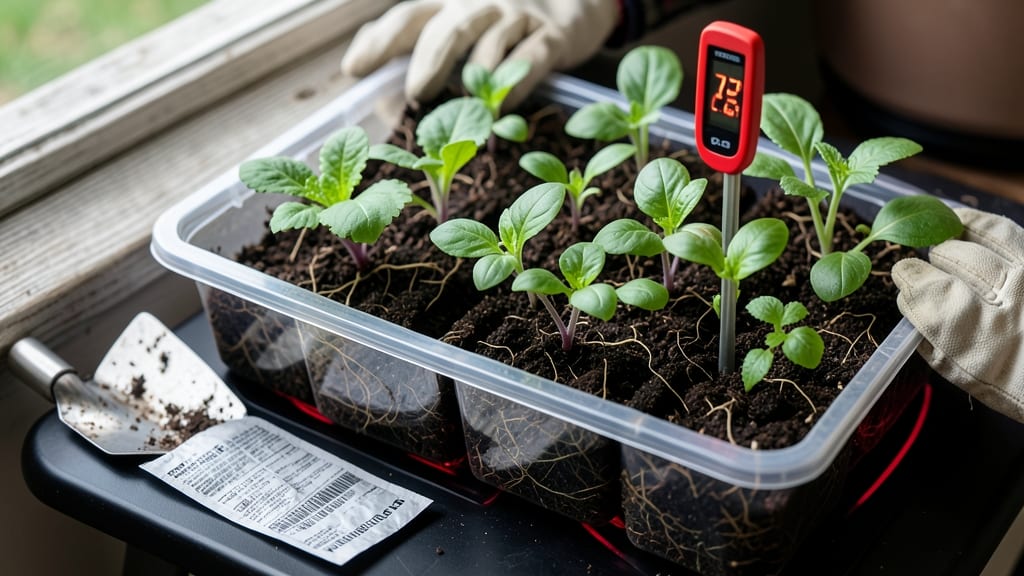
Getting the right soil temperature for planting is critical: cool-season veggies like lettuce and peas need soil between 45–55°F, while warm-season favorites such as tomatoes and peppers require at least 60–70°F. Always check soil depth with a thermometer before planting seeds or seedlings to ensure strong germination and root development.
Soil temperature isn't just about the air temperature—it directly impacts how quickly seeds germinate and roots establish. Cool-season crops can handle chilly soil because they’re adapted to thrive in lower temperatures, while warm-season plants need heat to activate their metabolic processes.
For example, broccoli seeds may sprout at 40°F, but they’ll grow poorly if the soil stays too cold for too long. On the flip side, tomato seeds won’t even germinate below 50°F, no matter how much you water them. 🌱
Using a soil thermometer is your best tool for precision—most gardeners check readings at 2–4 inches deep, where seeds typically germinate. Morning is the ideal time to test, as soil temperatures fluctuate less.
Pro tip: If your soil is too cold, consider using black plastic mulch or row covers to warm it up faster. This small step can mean the difference between a thriving garden and a disappointing one!
💡 In This Article
- How Soil Temperature Affects Seed Germination and Root Growth
- Best Soil Thermometers and When to Take Readings for Accurate Planting
How soil temperature affects seed germination and root growth
Soil temperature directly controls the metabolic activity of seeds and young roots through enzyme systems that regulate germination. At 45–55°F, cool-season crops like spinach and kale activate their germination enzymes efficiently, while warm-season plants like peppers and cucumbers remain dormant.
The key mechanism is respiration rate: enzymes in seeds function optimally only within specific temperature ranges. For example, tomato seeds require soil temperatures above 50°F to trigger the production of α-amylase, an enzyme that breaks down starches into sugars for energy—below this threshold, germination stalls completely.
Root development also depends on soil warmth because microbial activity in the rhizosphere (the zone around roots) accelerates at higher temperatures. Beneficial microbes like mycorrhizal fungi and nitrogen-fixing bacteria thrive at 60–70°F, creating a symbiotic relationship that boosts nutrient uptake.
In contrast, cold soil (40°F) slows microbial activity by 50%, leading to weaker root systems. This is why warm-season crops often struggle in early spring—even if air temperatures seem mild, the soil may still be too cold for optimal microbial support.
Chilling injury is another critical factor for warm-season plants. When exposed to temperatures below 50°F for extended periods, cell membranes in seeds and seedlings become damaged, leading to poor germination rates or stunted growth.
For instance, pepper seeds may germinate at 60°F but fail entirely at 55°F due to membrane leakage. Cool-season crops, however, have evolved to handle these conditions by producing antifreeze proteins that protect cellular structures during cold snaps.
Timing matters too—soil warms from the surface downward, so deeper-planted seeds (like carrots) may take longer to reach optimal temperatures than shallow ones (like lettuce). A 2-inch depth typically warms 2–3°F faster than a 4-inch depth due to solar radiation.
This is why gardeners often plant shallow-rooted crops earlier in the season, while deeper-rooted varieties wait for soil to warm uniformly.
Consider this real-world example: In Zone 5 climates, gardeners might plant peas (cool-season) in early April when soil reaches 45°F, but tomatoes (warm-season) won’t go in until late May, when soil hits 65°F at 2-inch depth.
The difference? Peas germinate in 7–10 days at cooler temps, while tomatoes take 14–21 days to sprout at warmer soil temperatures. 🌱
To maximize success, monitor soil temps for 3–5 days before planting—consistent readings are more reliable than single-day checks. If your soil is too cold, use black plastic mulch to raise temperatures by 5–10°F within a week. This small adjustment can transform a failed planting into a thriving garden!