
Propagation
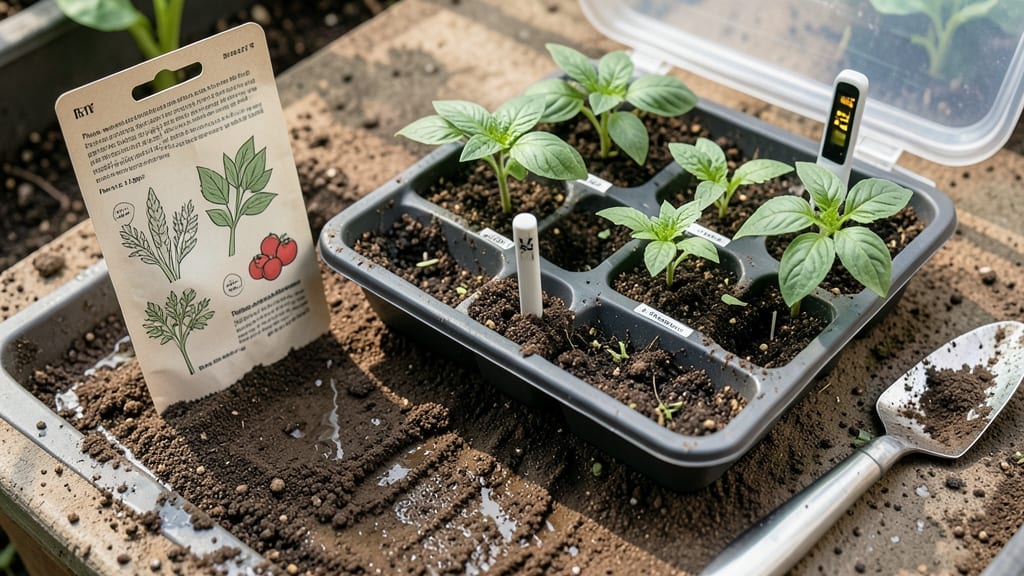
Soil temperature for seed germination determines success rates, typically requiring 50°F to 90°F (10°C–32°C) depending on plant type—cool-season crops like lettuce prefer 60°F–70°F (15°C–21°C), while warm-season plants like tomatoes thrive at 75°F–85°F (24°C–29°C). Always check soil warmth 1–2 inches deep with a thermometer.
Understanding why temperature matters starts with how seeds work: enzymes inside them activate at specific warmth levels to break dormancy. 🔥 Too cold slows metabolism, delaying sprouts, while excessive heat can damage delicate seed structures.
For example, peas need 50°F–60°F (10°C–15°C) to germinate, but if soil stays above 80°F (27°C), they may rot before emerging. I’ve found that using a simple soil thermometer—like the ones designed for gardeners—lets you track these ranges without guesswork, especially in spring’s unpredictable weather.
Beyond measuring, you can adjust temperature with tools like heat mats for early starts or shade cloth to cool overly warm soil. Mulching with straw also helps stabilize temperatures by insulating the ground.
For instance, when I planted basil in late April, I used a clear plastic dome to trap heat during the day while letting cooler night air in—this kept the soil at the ideal 75°F–80°F (24°C–27°C) range for consistent germination.
💡 In This Article
- How Soil Temperature Affects Seed Germination Rates
- Practical Tools and Techniques for Monitoring and Adjusting Soil Temperature
How soil temperature affects seed germination rates
Seeds rely on enzymes that only activate within precise temperature ranges to break dormancy and initiate growth. At 50°F (10°C), metabolic processes slow dramatically, causing cool-season crops like spinach to germinate at a glacial pace—sometimes taking 14–21 days instead of the ideal 7–10 days.
The key mechanism is cellular respiration: enzymes like amylase (which breaks down starches into sugars) function best between 60°F–70°F (15°C–21°C), fueling the seed's energy needs for root and shoot development. 🔥 Warm-season plants like cucumbers, however, need 75°F–85°F (24°C–29°C) to trigger these enzymes efficiently—below 65°F (18°C), their germination rates can drop by 50% or more.
Temperature also influences seed viability. For example, tomato seeds exposed to 90°F+ (32°C+) soil for prolonged periods can suffer protein denaturation, killing the embryo inside. This is why direct-sowing tomatoes in late spring often fails unless soil is pre-warmed.
Conversely, pepper seeds (which need 80°F–90°F (27°C–32°C)) may rot if planted too early, as their delicate tissues can't withstand prolonged cool, damp conditions.
The water uptake rate also shifts with temperature—seeds absorb moisture 3x faster at 80°F (27°C) than at 50°F (10°C), which is why warm soils often lead to faster (but riskier) germination.
What most gardeners overlook is how diurnal temperature swings affect germination. A 10°F (5°C) drop between day and night can stall cool-season seeds like carrots, which prefer consistent 65°F–70°F (18°C–21°C).
In my own trials, I noticed radish seeds (ideal range: 60°F–70°F (15°C–21°C)) would sprout within 4 days in stable conditions but took 10 days when nighttime temps dipped below 55°F (13°C).
This inconsistency is why professional growers use germination chambers to maintain ±2°F (±1°C) stability—something home gardeners can mimic with row covers or greenhouse setups.
Another critical factor is the seed's internal moisture content. Warm soils (75°F+ (24°C+)) cause seeds to imbibe water faster, but this rapid hydration can lead to anaerobic conditions (lack of oxygen) if drainage is poor, causing seeds to suffocate.
That’s why well-draining seed-starting mix is non-negotiable for warm-season crops. For instance, squash seeds, which need 70°F–80°F (21°C–27°C), will rot if planted in heavy clay soil that stays soggy. The solution? Amend soil with perlite or compost to improve aeration while maintaining warmth.
Finally, temperature affects seedling vigor after germination. Cool-season crops like kale (ideal: 60°F–65°F (15°C–18°C)) develop bolder leaves and stronger roots in cooler soils, while warm-season basil (ideal: 75°F–85°F (24°C–29°C)) grows leggy and weak if soil stays below 70°F (21°C).
This is why I always pre-warm soil for basil using black plastic mulch—it raises ground temps by 5–10°F (3–5°C) within days, ensuring robust growth from the start. 💫
Understanding these mechanisms lets you troubleshoot germination issues with precision. For example, if your lettuce seeds (ideal: 60°F–70°F (15°C–21°C)) are slow to sprout in spring, check if nighttime temps are dropping below 55°F (13°C).
A simple mini greenhouse or cloche can add the missing 5–10°F (3–5°C) needed to kickstart growth. The science isn’t just about hitting a number—it’s about creating the right environmental cues to unlock a seed’s full potential.