
Propagation
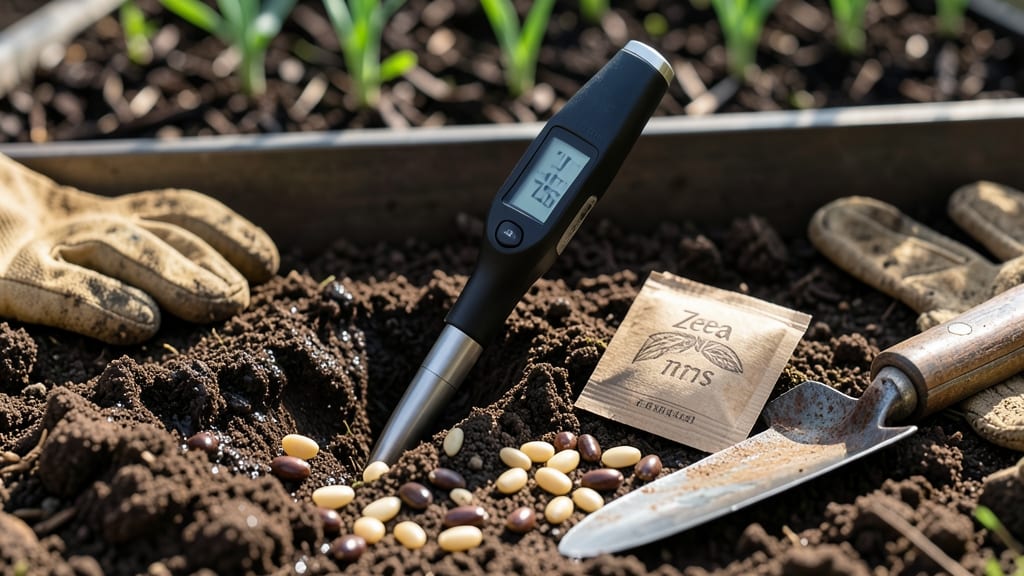
The soil temperature for germination in corn is the single most critical factor—hitting 50°F (10°C) is the bare minimum, but 60°F (15°C) or warmer is where fast, reliable growth begins.
Struggling with slow or failed corn germination? The secret might be hiding in your soil temperature—getting it just right can mean the difference between a thriving crop and wasted seeds. Too cold, and roots barely push through; too hot, and seeds rot before sprouting.
In USDA Zone 6a, like much of the Midwest, corn won’t germinate until late April or early May—unless you’re using heat mats or black plastic mulch to warm the soil faster. Plant too early, and you’ll either wait weeks for sprouts or dig up dead seeds.
Below, I’ll break down the exact temperature ranges for each stage of germination, how to test your soil’s warmth without fancy tools, and the best planting window for your region—plus the one mistake that kills more corn seeds than any other.
Optimal soil temperature ranges for corn seed germination and sprouting
Corn seeds are famously particular about their environment, and soil temperature is one of the most critical factors for successful germination. Unlike cool-season crops, corn thrives when the soil warms up—typically between 60°F and 95°F (15°C to 35°C).
But not all temperatures within this range are equal. Germination speed and vigor depend on precise thresholds that vary slightly by corn variety. Understanding these ranges helps you time your planting for the fastest, most reliable sprouts.
For most sweet corn varieties, the minimum soil temperature for germination is 50°F (10°C), but growth becomes sluggish below 60°F (15°C). At the other extreme, temperatures above 95°F (35°C) can cause seeds to dry out or rot before sprouting.
The sweet spot for consistent, rapid germination falls between 65°F and 85°F (18°C to 29°C), where roots develop quickly and seedlings emerge within 7 to 14 days. Field corn and popcorn varieties often tolerate slightly cooler or warmer conditions but still perform best in this range.
Why does temperature matter so much? Corn seeds contain enzymes that activate only within specific temperature ranges. Below 60°F (15°C), these enzymes work slowly, delaying germination and making seeds vulnerable to rot. Above 90°F (32°C), seeds can overheat, leading to poor root development or even death. Even a 5°F (3°C) difference can mean the difference between a thriving stand of corn and a patchy, uneven crop.
| Stage | Optimal Soil Temp (°F/°C) | Germination Time | Corn Variety Notes |
|---|---|---|---|
| Germination Start | 50°F (10°C) - Minimum 60°F (15°C) - Slow Start |
14-21 days (below 60°F) 7-10 days (above 65°F) |
Sweet corn: avoid planting below 55°F (13°C). Field corn: more tolerant of cooler temps. |
| Ideal Germination | 65°F (18°C) - 85°F (29°C) | 5-10 days | All varieties perform best. Peak enzyme activity occurs at 75°F (24°C). |
| Root Development | 70°F (21°C) - 80°F (27°C) | N/A (continuous process) | Critical for early seedling strength. Soil below 65°F (18°C) stunts root growth. |
| Seedling Emergence | 60°F (15°C) - 90°F (32°C) | 3-7 days after germination | Popcorn: prefers warmer end of range (80°F+). Sweet corn: avoid above 90°F (32°C). |
| Danger Zone | Below 50°F (10°C) Above 95°F (35°C) |
Germination fails or seeds rot | Use row covers or heat mats in cold soil. Mulch to cool overheated beds. |
Regional climate plays a huge role in determining the best planting time for corn. In cool northern climates (USDA Zones 3-5), soil may not reach 60°F (15°C) until late May or early June.
Gardeners in these zones often use black plastic mulch or straw mulch to warm the soil faster. In warmer southern regions (Zones 7-10), soil can hit ideal temperatures as early as March, but late spring plantings may struggle with heat stress if daytime temps exceed 95°F (35°C).
If you're planting in early spring and soil temperatures are still too cool, consider using a soil thermometer to track daily fluctuations. Morning readings are most accurate because soil cools overnight. For containers or raised beds, warming happens faster than in-ground planting.
You can also opt for heat-loving varieties like 'Silver Queen' or 'Peaches and Cream,' which germinate more reliably in warmer conditions.
Once seeds germinate, maintaining consistent soil moisture is just as important as temperature. Dry soil can cause seedling stress, while overly wet soil promotes rot. Aim to keep the top 2 inches of soil consistently moist but not soggy.
A simple trick is to water deeply in the morning and use drip irrigation to avoid wetting the foliage,
How to measure and adjust soil temperature for faster corn germination
Getting your soil temperature just right is the key to unlocking fast corn germination. Corn seeds need warmth to break dormancy, but too much heat can stress them. The good news?
You don’t need fancy tools to check or adjust your soil’s warmth—just a few simple techniques from your gardening toolkit. Let’s dive into how to measure and tweak your soil’s temperature for the best possible start.
First, understand that corn germination thrives when soil temperatures hover between 60°F and 95°F (15°C–35°C). Below 50°F (10°C), seeds may rot before sprouting, while above 100°F (38°C), they can dry out or fail to germinate.
Your goal is to hit that sweet spot consistently, especially in the first 7–10 days after planting. Here’s how to test and adjust without breaking the bank.
🌱 5 Key Steps to Measure and Adjust Soil Temperature
- 🌡️ Use a soil thermometer—the simplest tool for accuracy. Insert it 2–4 inches deep (where seeds will be) and check temps morning and evening.
- ☀️ Leverage sunlight: Plant in south-facing beds or use black plastic mulch to absorb and retain heat. Clear plastic won’t work—it reflects light and cools soil.
- 💧 Avoid overwatering—wet soil stays cooler. Water deeply once every 2–3 days instead of daily light sprinkles to maintain warmth.
- 🌿 Add compost or manure 1–2 weeks before planting. Organic matter warms soil faster than bare dirt by 5–10°F (3–6°C).
- 🔄 Rotate beds if your soil runs too cold. Move corn to a warmer microclimate, like near a fence or raised bed, for faster germination.
If your soil is too cold (below 60°F/15°C), try planting in warmer microclimates like near a brick wall or in a raised bed. For overheated soil (above 95°F/35°C), provide afternoon shade with a lightweight shade cloth or mulch with straw to insulate roots.
Avoid synthetic mulches—they can trap too much heat.
Pro tip: Plant in the late afternoon on warm days. Soil retains heat longer, giving seeds a head start. Check your local frost-free date and aim to plant corn 2–3 weeks after the last frost when soil temps consistently stay above 60°F (15°C).
Patience here pays off—rushing leads to poor germination.
For gardeners in cooler climates, use heat mats or row covers to boost soil warmth by 5–10°F (3–6°C). Even a clear plastic tunnel over seeds can make the difference between success and failure.
Monitor temps daily until sprouts appear—consistency is your best friend when it comes to corn germination.
Remember, soil temperature isn’t just about the air above—it’s about creating the perfect underground environment. With these simple adjustments, you’ll see those first corn shoots breaking through the soil in 5–7 days instead of weeks. Happy planting! 🌽