
How To
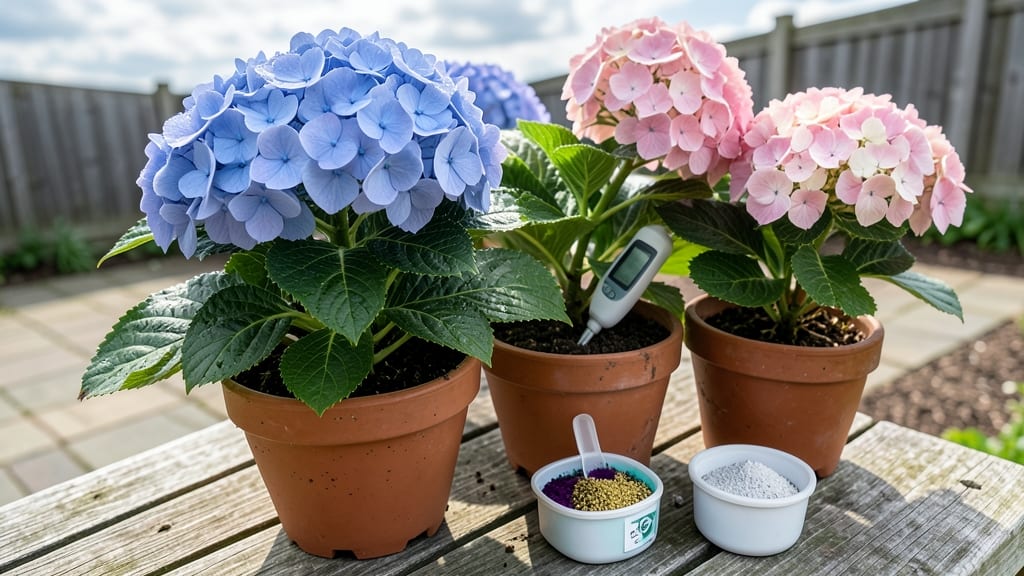
Soil pH is important because it directly impacts nutrient availability and plant vitality—most crops prefer slightly acidic to neutral conditions (pH 6.0–7.0), where essential minerals like nitrogen, phosphorus, and potassium become accessible to roots. When pH drifts too high or low, plants struggle to absorb these nutrients, leading to stunted growth or even death.
Soil pH acts like a gatekeeper for plant nutrition—when the balance is off, even the richest soil can fail to support healthy growth. 🌱 For example, blueberries need acidic soil (pH 4.5–5.5) to access iron and manganese, while tomatoes thrive at pH 6.0–6.8, where calcium and magnesium dissolve properly.
Testing your soil's pH with a simple kit (or lab analysis) is the first step to unlocking its full potential, and adjustments like lime (to raise pH) or sulfur (to lower it) can transform struggling plants into thriving ones.
What's fascinating is how pH affects even micronutrients—zinc becomes scarce in alkaline soils, while boron binds tightly in acidic conditions. This explains why some plants yellow or wilt despite regular watering and fertilizer. The key is matching your soil's chemistry to your plants' needs, not just adding more nutrients blindly.
💡 In This Article
- How Soil pH Controls Nutrient Absorption in Plants
- Testing and Adjusting Soil pH for Optimal Gardening
How soil pH controls nutrient absorption in plants
Soil pH acts like a chemical switchboard for nutrient availability, determining whether essential minerals dissolve and become accessible to plant roots. At pH 6.0–7.0, most nutrients—like nitrogen (NO₃⁻), phosphorus (H₂PO₄⁻), and potassium (K⁺)—exist in soluble forms that roots can absorb efficiently.
However, when pH drops below 5.5 (too acidic), aluminum and manganese become toxic, while phosphorus binds tightly to soil particles, making it unavailable. Conversely, at pH 7.5+ (alkaline), iron and zinc precipitate out of solution, causing deficiency symptoms like yellowing leaves (chlorosis) even when soil appears rich. 🌱
The root zone’s acidity also triggers chemical reactions that alter nutrient forms. For example, iron (Fe³⁺) becomes soluble in acidic soils (pH 5.0–6.0), which is why acid-loving plants like blueberries and azaleas thrive there.
Meanwhile, phosphorus—critical for energy transfer in plants—is most available at pH 6.0–7.0, where it exists as H₂PO₄⁻. In alkaline soils, phosphorus binds to calcium and magnesium, forming insoluble compounds that roots can’t access.
This explains why phosphorus fertilizers often fail in high-pH soils unless paired with sulfur to lower pH slightly.
Micronutrients like zinc, manganese, and copper follow similar pH-dependent patterns. Zinc, for instance, becomes nearly undetectable in alkaline soils (pH 7.5+) because it precipitates as zinc hydroxide. This is why leafy greens grown in alkaline soils often develop interveinal chlorosis (yellowing between veins) despite adequate fertilizer.
The solution? Acidifying amendments like elemental sulfur or organic matter (compost) to bring pH into the 6.0–6.5 range, where these micronutrients dissolve and become plant-available.
Vegetables and fruits have distinct pH preferences that reflect their evolutionary adaptations. Tomatoes, peppers, and cucumbers prefer pH 6.0–6.8, where calcium (for cell wall strength) and magnesium (for chlorophyll) are abundant.
In contrast, acid-loving plants like rhododendrons and potatoes (pH 5.0–6.0) require lower pH to access iron and manganese, which are essential for enzyme function.
Even legumes, which fix nitrogen from the air, struggle in high-pH soils because the bacteria in their root nodules (Rhizobium) can’t thrive when calcium and phosphorus are locked away.
What’s often overlooked is how soil pH affects soil microbes, the unseen workforce that breaks down organic matter and makes nutrients available. Fungal networks (mycorrhizae) dominate acidic soils (pH 5.0–6.0), while bacterial populations thrive in neutral to slightly alkaline conditions (pH 6.5–7.5).
Disrupting this balance—say, by over-liming a blueberry bed—can collapse the microbial community, further reducing nutrient cycling. This microbial feedback loop is why adjusting pH isn’t just about feeding plants; it’s about restoring the entire soil ecosystem. ✨
For gardeners, this means testing soil pH before planting is non-negotiable. A simple DIY test kit (measuring pH 4.0–8.0) can reveal whether your soil leans toward the extremes. If your tomatoes show blossom-end rot (a calcium deficiency), your soil might be too alkaline.
If your blueberries produce small, pale berries, manganese toxicity from overly acidic soil could be the culprit. The fix? Targeted amendments—like pelletized lime to raise pH or elemental sulfur to lower it—applied gradually to avoid shocking the soil.
The takeaway? Soil pH isn’t just a number—it’s the invisible architecture of plant health. Mastering it transforms struggling gardens into thriving ecosystems, where every nutrient is in the right place at the right time. 💫